Why Are Some Rugs So Cheap? The Truth Behind Budget Floor Coverings
 Jul, 20 2026
Rug Cost & Durability Calculator
Enter Your Details
Synthetic / Polypropylene
- Prone to crushing
- Stain resistant
Analysis
Adjust the inputs to see the comparison.
Walk into any big-box store or scroll through an online marketplace, and you’ll see a rug for $30. It looks decent in the thumbnail. It feels soft enough when you run your hand over it. But then you look at the $300 option next to it, and the question hits hard: what am I missing out on if I buy the cheap one? Or, more importantly, why is that other one so expensive?
The price of a rug isn't just about branding or markup. It’s a direct reflection of materials, labor, durability, and the hidden costs of production. When you see a rug priced suspiciously low, something has been cut from the equation. Usually, it’s the quality of the fiber, the density of the weave, or the ethical conditions under which it was made.
The Material Factor: Synthetic vs. Natural
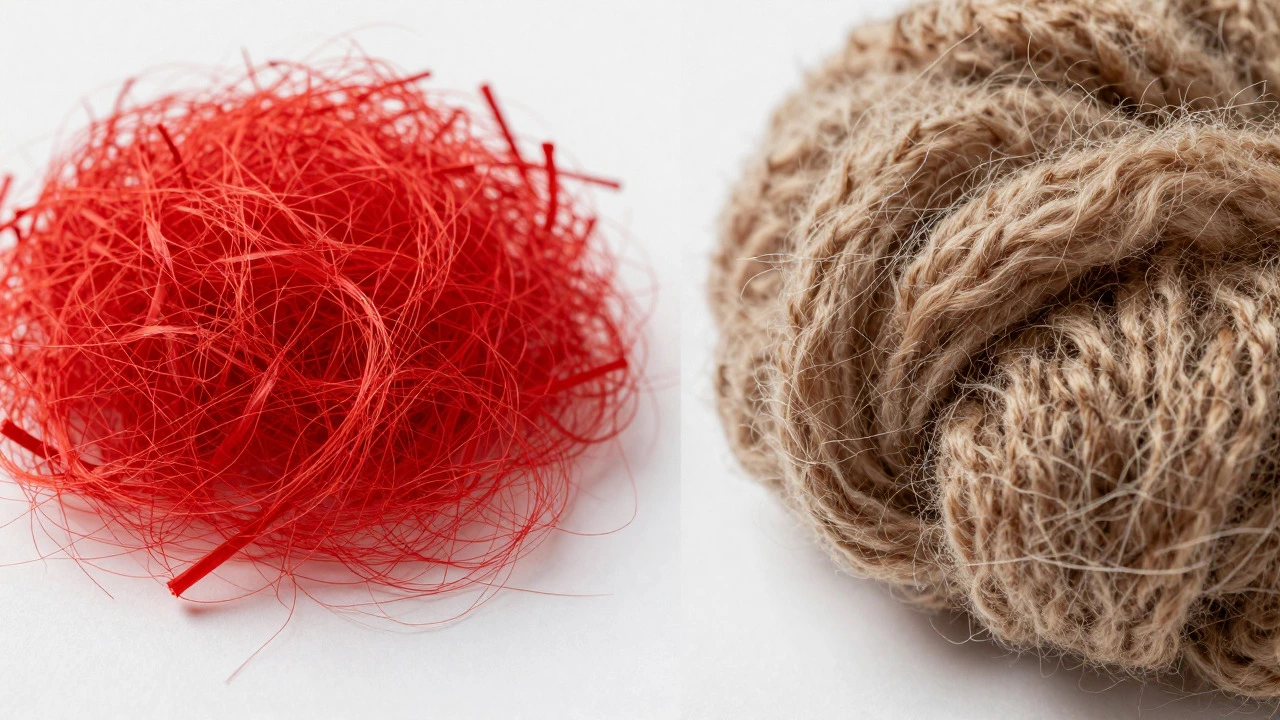
The single biggest driver of cost in rug manufacturing is the raw material. If you’re looking at a rug under $50, you are almost certainly looking at Synthetic Fibers, specifically polypropylene (olefin), polyester, or nylon.
Polypropylene is the king of cheap rugs. It’s plastic-based, derived from petroleum, and incredibly inexpensive to produce. Manufacturers can spin this fiber quickly and dye it with heat-set techniques that lock in color without expensive chemical processes. Polypropylene is stain-resistant and doesn’t rot, which makes it popular for outdoor use or high-traffic areas where spills happen often.
However, polypropylene has a major flaw: it lacks resilience. Unlike natural fibers, it doesn’t bounce back. If you drag a heavy sofa over a polypropylene rug, it stays crushed. Over time, foot traffic creates permanent flat spots. It also tends to feel slightly plasticky or waxy to the touch, even if manufacturers treat it to mimic the softness of wool.
In contrast, Wool is significantly more expensive. Wool comes from sheep, requires shearing, cleaning, and processing, and is naturally flame-retardant and elastic. A wool rug can last decades because the fibers crimp and spring back into place. You pay for that longevity upfront. When you buy a cheap rug, you’re trading long-term value for short-term savings.
| Material | Avg. Cost per Sq Ft | Durability | Maintenance |
|---|---|---|---|
| Polypropylene | $1 - $3 | Low (crushes easily) | Easy (stain resistant) |
| Polyester | $2 - $4 | Medium | Easy |
| Nylon | $3 - $6 | High (very resilient) | Medium |
| Wool | $8 - $20+ | Very High | Harder (needs professional cleaning) |
Construction Methods: How It’s Made Matters
Even if two rugs use the same material, their construction methods can double or triple the price. This is where the concept of density comes in. Density refers to how many knots or tufts are packed into a square inch of space.
Cheap rugs are often Tufted or machine-woven with low pile density. In tufting, a machine punches yarn through a backing fabric rapidly. To keep costs down, manufacturers leave large gaps between the tufts. They then glue a secondary backing to hold everything together. That glue? It’s not always high-quality. Over time, especially in humid environments, the adhesive can break down, causing the rug to delaminate or shed excessively.
Higher-end rugs might be Hand-Knotted or hand-tufted with higher knot counts. Hand-knotting is labor-intensive. A skilled artisan might tie only 100 to 200 knots per hour. A complex design with millions of knots can take months or even years to complete. You aren’t just paying for the thread; you’re paying for thousands of hours of human skill. Machine-made rugs can replicate these patterns visually, but they lack the structural integrity and tactile depth of handcrafted pieces.
Another factor is the backing. Cheap rugs often use jute or cotton backings that are thin and prone to stretching. Premium rugs may use latex or rubberized backings that provide better grip and stability, preventing slipping and extending the life of the product.
Hidden Costs: Labor and Ethics
We rarely think about who made our home decor, but labor costs are a huge component of pricing. Many ultra-cheap rugs originate from regions with very low minimum wages. While this keeps prices down for consumers, it can sometimes mask poor working conditions.
Some budget rugs have faced scrutiny regarding child labor or forced labor practices in certain supply chains. Brands that pay fair wages, ensure safe working environments, and source materials sustainably have higher overheads. These costs are passed on to you. When you buy a certified rug-such as those with GoodWeave certification-you’re paying a premium for ethical assurance. A $30 rug rarely carries these certifications because the margin doesn’t allow for third-party auditing.
The Durability Trap: Why Cheap Rugs Fail Faster
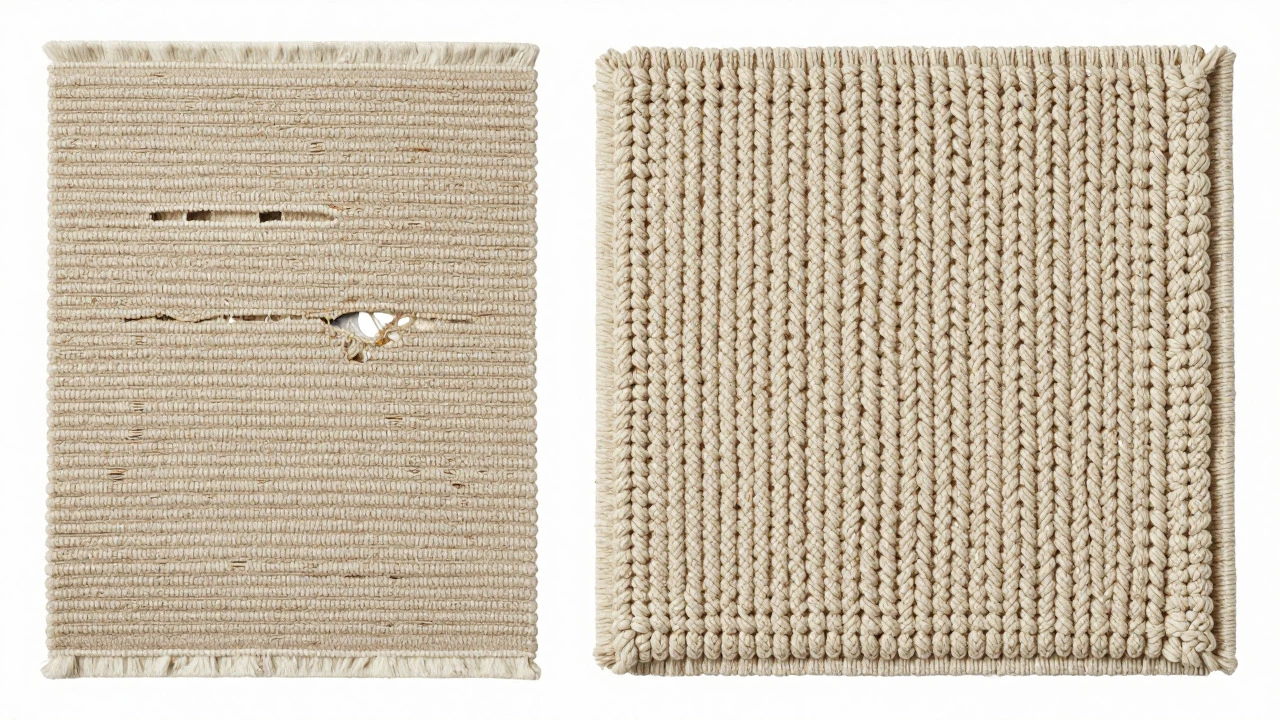
Let’s talk about lifespan. A well-made synthetic rug might last 3 to 5 years in a moderate-traffic area before it starts looking worn. A wool rug can last 10 to 20 years or more. If you replace a $50 rug every four years, you’ve spent $125 in a decade. A $200 wool rug lasts the whole decade. The “cheap” option actually cost you more in the long run.
Cheap rugs also suffer from:
- Shedding: Loose fibers release into your home, clogging vacuums and settling on furniture. This usually stops after a few months, but it’s a nuisance.
- Fading: Low-quality dyes used in budget rugs fade quickly when exposed to sunlight. Within a year, a bright red rug might turn orange or pink.
- Indentations: As mentioned, synthetic fibers don’t recover from weight. Chair legs and sofa corners leave permanent divots.
When Is a Cheap Rug Actually Okay?
Not every room needs a heirloom-quality rug. There are specific scenarios where a budget-friendly rug makes perfect sense:
- Temporary Spaces: Renting an apartment? You might not want to invest heavily in decor you can’t take with you.
- High-Risk Areas: Kids’ playrooms, mudrooms, or pet zones get dirty fast. A washable or easily replaceable polypropylene rug is practical here.
- Seasonal Decor: Want to change the vibe of your living room every holiday season? Cheap rugs let you experiment without financial risk.
- Outdoor Use: Weather changes and furniture rearrangements beat up outdoor rugs. Spending big on them isn’t necessary.
In these cases, prioritize function over longevity. Look for easy-clean materials and simple patterns that hide dirt.
How to Spot a Quality Rug on a Budget
If you’re constrained by budget but still want better quality, here’s how to shop smarter:
- Check the Knot Count: Even in machine-made rugs, a higher knot count means tighter weaving and better durability. Look for at least 100 knots per square inch if possible.
- Feel the Backing: Flip the rug over. It should feel substantial, not flimsy. If you can see light through the backing, it’s too thin.
- Look for Blends: Wool-blend rugs (e.g., 80% wool, 20% synthetic) offer a middle ground. They’re softer and more durable than pure synthetics but cheaper than pure wool.
- Avoid “Printed” Patterns: Some cheap rugs have designs printed onto the surface rather than woven in. These rub off over time. Woven patterns are integral to the structure.
- Read Reviews for Shedding: Search reviews for keywords like “shedding,” “glue smell,” or “flattened.” Real user experiences reveal issues that specs don’t show.
The Environmental Impact
Cheap rugs often come with an environmental cost. Synthetic fibers are petroleum-based and non-biodegradable. When a polypropylene rug wears out, it ends up in a landfill, where it can take hundreds of years to decompose. Additionally, the manufacturing process involves significant energy use and chemical treatments.
Natural fiber rugs, while more expensive, are biodegradable and renewable. Wool, cotton, and jute break down naturally. Investing in a natural fiber rug reduces waste over time because it lasts longer and doesn’t need replacing as often.
Are cheap rugs toxic?
Many new synthetic rugs emit volatile organic compounds (VOCs), which cause that strong “new carpet” smell. These VOCs can irritate eyes, throats, and lungs, especially for people with asthma. Cheap rugs often use lower-grade adhesives and dyes that off-gas more heavily. To minimize exposure, air out new rugs outside for several days before bringing them indoors, or choose rugs with Green Label Plus certification, which indicates low VOC emissions.
Why do some rugs have a rubbery smell?
That smell usually comes from the latex or rubber backing used to keep the rug from slipping. In cheaper rugs, this backing may be made from recycled tires or low-quality synthetic rubber, which releases stronger odors. While not always toxic, the smell can linger for weeks. Flipping the rug regularly and placing it in a well-ventilated area helps dissipate the odor faster.
Can I clean a cheap rug professionally?
It depends on the construction. Some cheap tufted rugs use water-soluble glues that dissolve during professional steam cleaning, causing the rug to fall apart. Always check the care label first. If it says “spot clean only,” stick to that. For delicate or glued-back rugs, dry cleaning or gentle vacuuming is safer than wet extraction.
What is the best material for a high-traffic area on a budget?
Nylon is the most durable synthetic fiber and handles high traffic well, though it’s pricier than polypropylene. If you must stay very cheap, choose a tightly woven polypropylene rug with a low pile height. Flatweave or sisal-style synthetic rugs resist crushing better than plush, shaggy ones because there’s less fiber to compress.
Do cheap rugs slip more?
Yes, often. Many budget rugs lack a proper non-slip backing or use thin jute that offers little friction. To prevent accidents, always use a separate rug pad underneath, even if the rug claims to have a non-slip base. A good rug pad also adds cushioning and extends the life of the rug by reducing wear from floor contact.