Why Is Black Mirror So Disturbing?
 Dec, 29 2025
Social Rating Score Calculator
Your Social Interactions
Based on Black Mirror's 'Nosedive' concept, this calculator estimates your social score in a rating-based society. Enter your daily interactions to see how your behavior would be perceived.
How Social Ratings Work
In Black Mirror's world, your social score determines access to opportunities. Similar systems exist today:
- Social Credit System China's system ties behavior to access to services, travel, and jobs
- Social Media Ratings Our likes, shares, and comments already shape our digital reputation
- Algorithmic Bias Platforms often amplify outrage and divide us
What Your Score Means
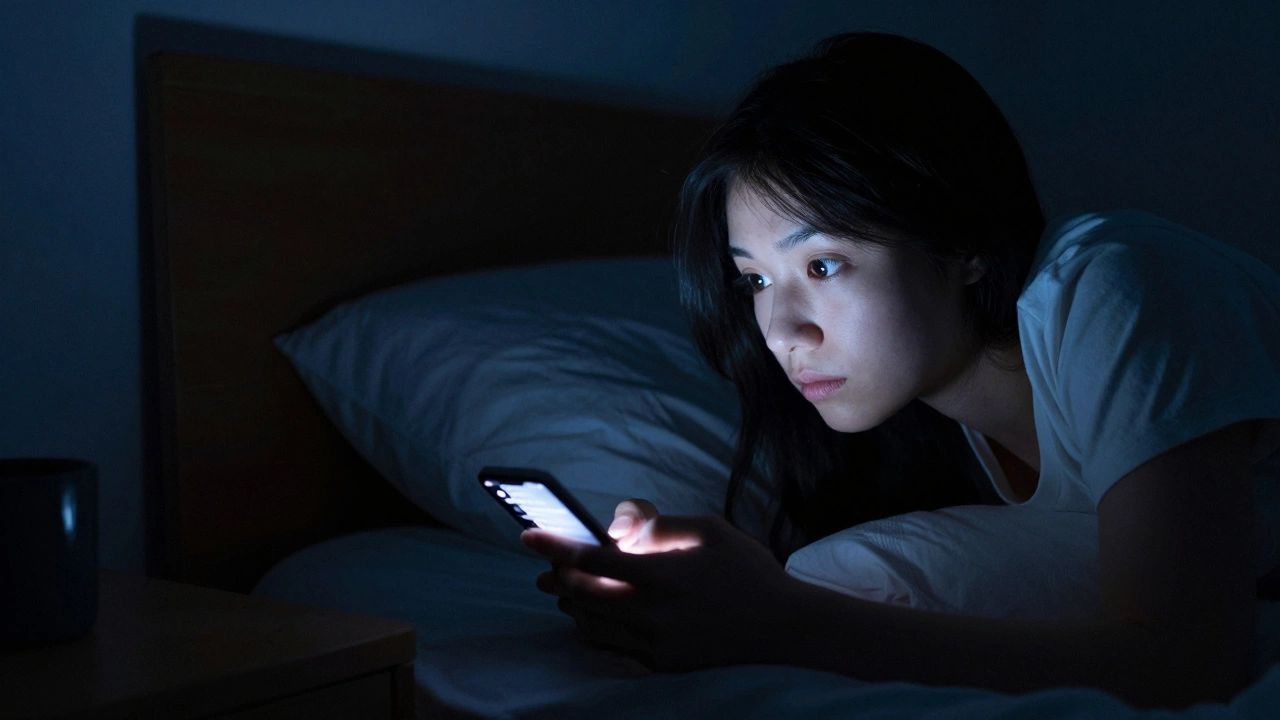
Black Mirror doesn’t show monsters under the bed. It shows your phone screen glowing at 2 a.m., your social media feed, the way your voice sounds when recorded and replayed. That’s why it hits so hard. It’s not horror. It’s déjà vu with a twist.
The Mirror Is Already in Your Pocket
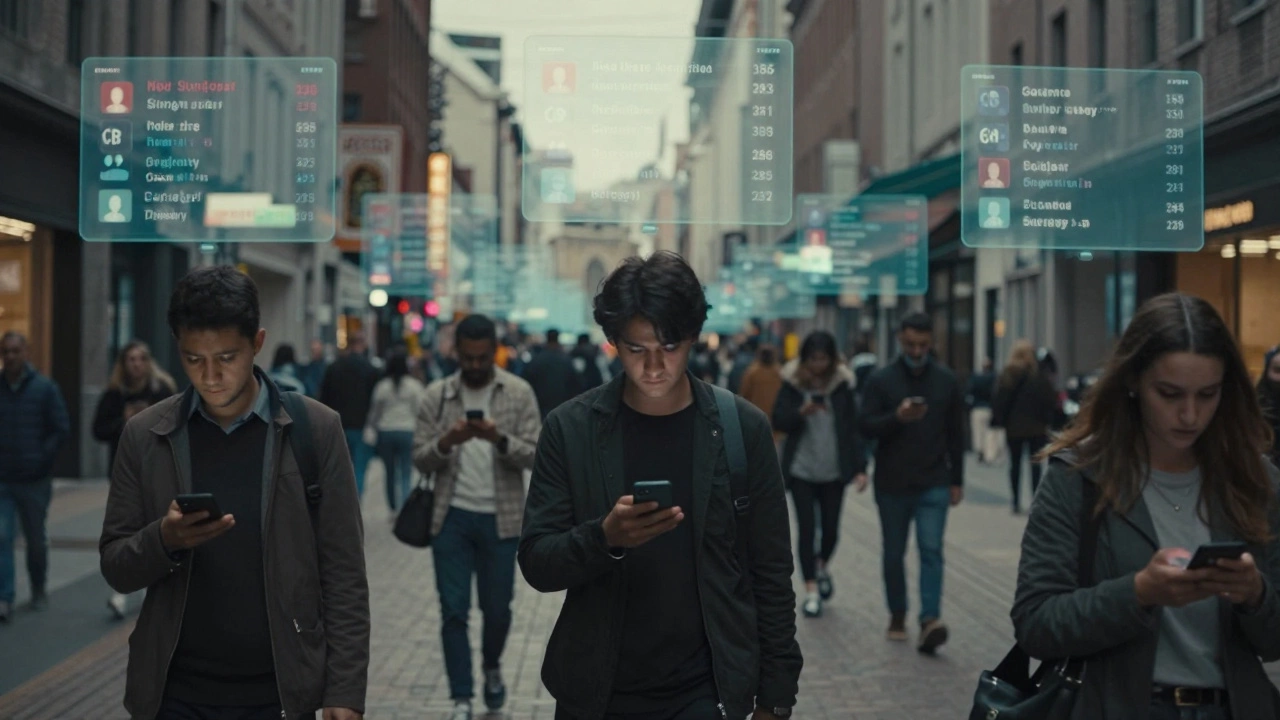
Black Mirror isn’t about far-off futures. It’s about today’s tech pushed one step too far. In ‘Nosedive’, people rate each other like Uber drivers-and your social score decides if you can get a apartment, a flight, or even a dinner reservation. Sound familiar? In 2025, China’s Social Credit System already ties behavior to access. In the U.S., credit scores control housing and jobs. Black Mirror just made it visible.
The show doesn’t invent new tech. It takes what we already use and asks: What if this became law? What if your worth was calculated by likes? What if your emotions could be turned off with a button? We don’t need flying cars to feel uneasy. We just need to look at our own habits.
It’s Not the Tech. It’s the People.
Many think Black Mirror is anti-technology. It’s not. It’s anti-complacency. The real horror isn’t the AI that replaces humans-it’s that we let it happen because it’s easier. In ‘The Entire History of You’, people record every moment of their lives. They replay arguments, obsess over micro-expressions, destroy relationships over tiny misunderstandings. Sound like someone you know? Or maybe, yourself?
When we record everything, we stop living. We start curating. We stop feeling. We start analyzing. Black Mirror shows us what happens when we trade presence for proof. When we need a video to believe we were happy, we’ve already lost the feeling.
The Algorithm Knows You Better Than You Do
In ‘Fifteen Million Merits’, people pedal stationary bikes to earn credits. They watch ads between sessions. One woman sings on a talent show, hoping to escape. The audience votes. She wins. But the prize? A contract to be a sex robot performer. The crowd cheers. They don’t see the trap. They’re too busy scrolling.
That’s the show’s quietest terror: we’re not victims. We’re participants. We click. We watch. We share. We reward outrage. We amplify the worst versions of each other. Black Mirror doesn’t show a dystopia. It shows our current behavior, magnified by a broken system.
Why It Feels Like a Personal Attack
Most shows make you root for heroes. Black Mirror makes you realize you’re the villain. In ‘White Christmas’, a man uploads a copy of his consciousness to relive a memory. He doesn’t know it’s suffering. He thinks he’s just watching. We’ve all done that. We’ve all replayed a cringe moment a hundred times. We’ve all judged someone online without knowing their story.
That’s why you feel sick after watching. You don’t see a character. You see your own thumb scrolling, your own judgment, your own silence when someone else was hurt. The show doesn’t need jump scares. It just needs you to remember what you did yesterday.
The Comfort of Being Alone Together
In ‘Be Right Back’, a widow uses an AI clone of her dead partner. The AI learns his voice, his jokes, his habits. At first, it’s healing. Then it’s haunting. The clone never forgets. It never grows. It just repeats. And she starts to hate it-not because it’s fake, but because it’s too perfect. It’s the version of him she wished he’d been.
We do this too. We edit our partners in our heads. We replay conversations, imagining better replies. We curate our relationships like Instagram profiles. Black Mirror doesn’t warn us about AI. It warns us about our own loneliness-and how we use tech to avoid the messy truth: people are flawed. And that’s okay.
There’s No Escape. And That’s the Point.
Most dystopias have rebels. Black Mirror has silence. In ‘Hated in the Nation’, a hashtag turns into a death sentence. People don’t rise up. They just stop talking. In ‘Metalhead’, a woman runs from a robot dog for 30 minutes. She doesn’t win. She doesn’t even get a final line. She just dies in the snow. No speech. No fanfare. Just quiet.
That’s the real horror. We don’t fight back. We adapt. We accept. We scroll. We mute. We block. We pretend it’s not happening. Black Mirror holds up a mirror-not to show us monsters, but to show us looking away.
What Happens When You Stop Watching?
Here’s the twist: the show doesn’t ask you to unplug. It asks you to pay attention. To notice how you react when someone posts something controversial. To notice how you feel when you get no likes. To notice how quickly you judge someone based on a video snippet.
Black Mirror is disturbing because it’s accurate. It’s not science fiction. It’s social observation with a dark lens. The technology is real. The behavior is real. The fear? That’s yours.
Maybe the most disturbing episode isn’t the one with robots or AI. It’s the one where you realize you’ve already lived it.
Is Black Mirror based on real technology?
Yes. Every tech in Black Mirror exists today in some form. Social scoring? China’s system. AI clones? Replika and other chatbots. Live-streamed punishments? TikTok shaming. The show doesn’t predict the future-it pulls forward what’s already here.
Why does Black Mirror feel so personal?
Because it reflects your habits. The show doesn’t show alien invaders. It shows you scrolling at 3 a.m., comparing your life to others, or reacting to outrage online. It makes you uncomfortable because you recognize yourself in the characters-not as a villain, but as someone who went along with it.
Is Black Mirror anti-technology?
No. It’s anti-passivity. The tech isn’t evil-it’s neutral. The danger is how we use it. We trade privacy for convenience. We outsource memory to cloud storage. We let algorithms decide what we see. Black Mirror asks: Who’s really in control?
Which episode is the most disturbing?
It depends on what scares you. ‘Nosedive’ terrifies people who care about social approval. ‘The Entire History of You’ hits those who obsess over past mistakes. ‘Hated in the Nation’ chills because it shows how quickly crowds turn violent. Most viewers say ‘White Christmas’ is the worst-not because of violence, but because it makes you question your own conscience.
Should I avoid watching Black Mirror?
Only if you don’t want to think. The show isn’t meant to scare you into turning off your phone. It’s meant to make you notice how you use it. Watch it. Then look at your screen. Ask yourself: Am I living-or just recording?