Will Medicare Pay for a Tempur-Pedic Adjustable Bed?
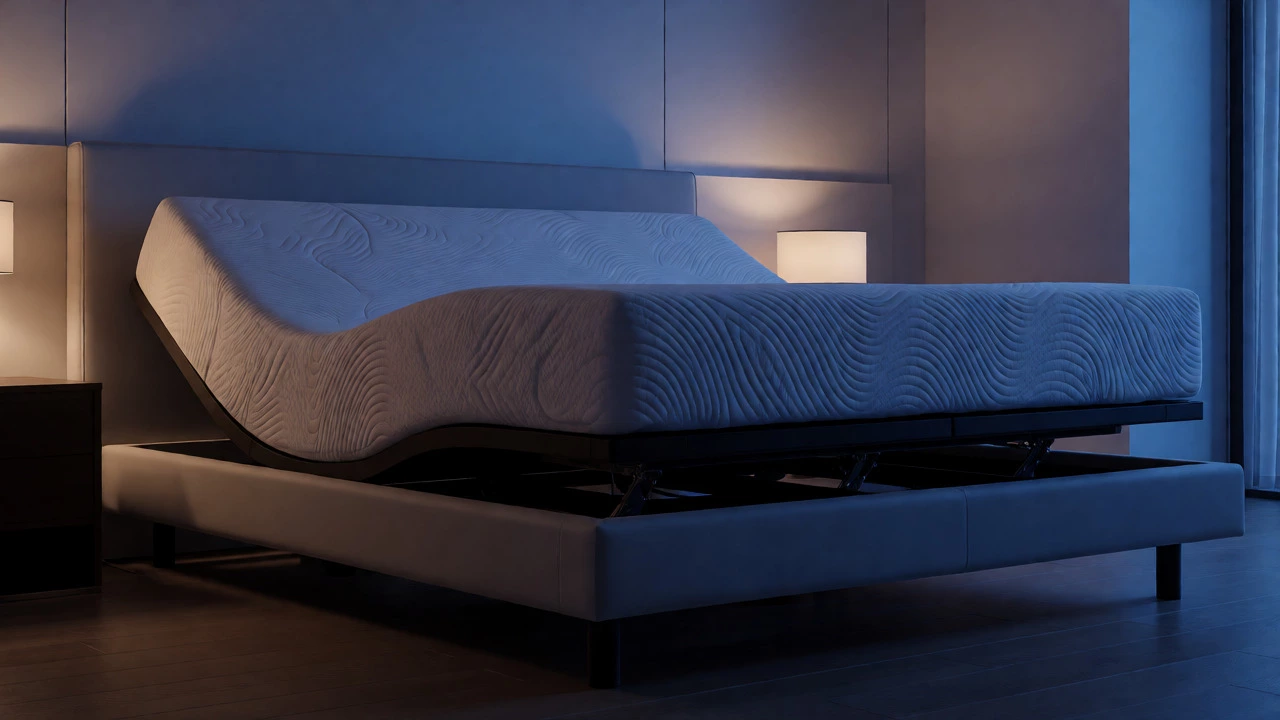 Nov, 12 2026
Medicare Adjustable Bed Coverage Estimator
Use this tool to estimate if your situation qualifies for Medicare Part B coverage of an adjustable bed frame. Remember, Medicare covers the function, not the brand.
1. Medical Necessity
2. Equipment & Supplier
Most people assume Medicare covers everything related to health, from your doctor visits to your medications. But when it comes to sleep equipment, the rules get surprisingly strict. If you're eyeing a Tempur-Pedic adjustable base because it promises better rest or pain relief, you might be in for a rude awakening regarding who actually picks up the check.
The short answer? Usually no. Medicare rarely pays for the brand name "Tempur-Pedic" specifically. However, that doesn't mean you can't get financial help for an adjustable bed if you meet specific medical criteria. It’s less about the logo on the mattress and more about whether your doctor says you medically need the mechanical functions of the bed itself. Let’s break down exactly how this works so you don’t end up paying out of pocket for something insurance could have covered.
Understanding Medicare’s Stance on Sleep Equipment
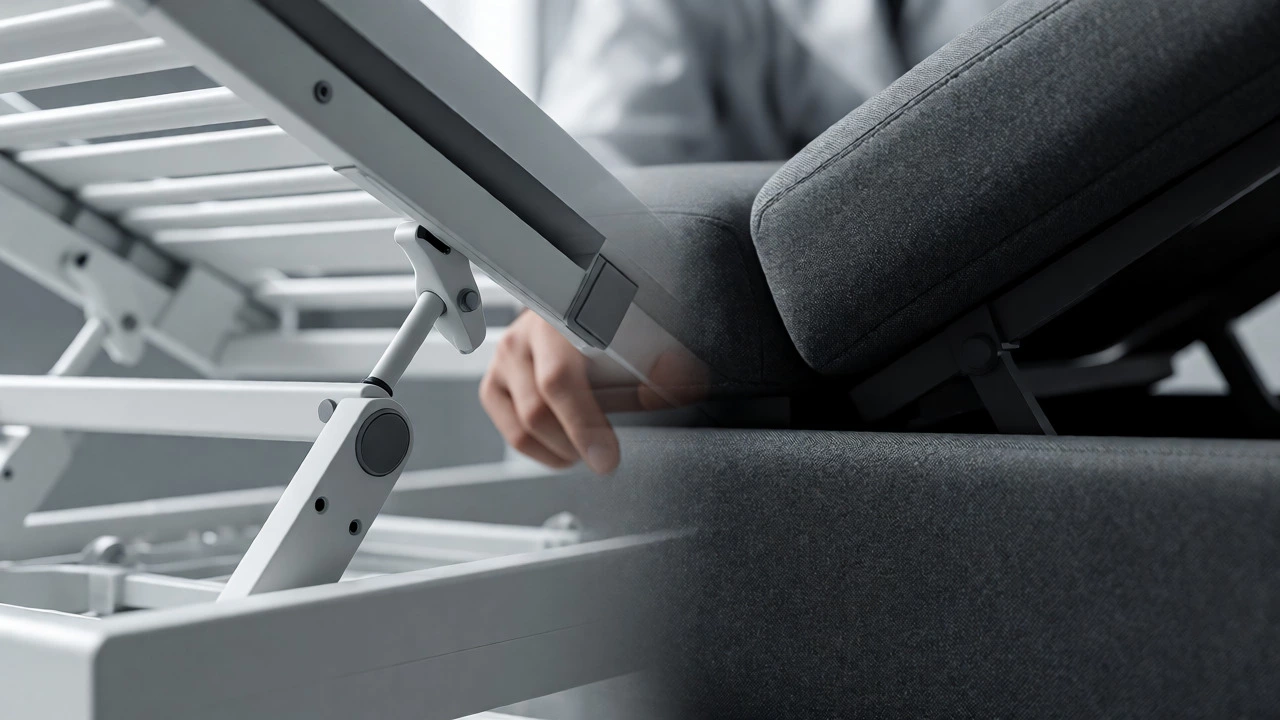
Medicare operates under strict guidelines set by the Centers for Medicare & Medicaid Services (CMS). They categorize equipment into two main buckets: durable medical equipment (DME) and comfort items. An adjustable bed frame falls under DME only if it serves a therapeutic purpose beyond just making you comfortable.
Here is the critical distinction: Medicare covers the function, not the luxury. A standard hospital bed with hand cranks costs significantly less than a motorized Tempur-Pedic base. If the cheaper option solves your medical problem, Medicare will likely deny the claim for the expensive one. You are essentially paying for the convenience of a remote control and the premium materials of the mattress, which Medicare considers non-covered expenses.
| Criteria | Covered (Yes) | Not Covered (No) |
|---|---|---|
| Medical Necessity | Documented diagnosis requiring elevation (e.g., edema, respiratory issues). | General back pain or preference for head elevation. |
| Equipment Type | Standard adjustable base meeting CMS specs. | Premium brands like Tempur-Pedic solely for material quality. |
| Mattress | Usually separate; often not covered unless part of a bundled rental unit. | Memory foam or hybrid mattresses sold as retail consumer goods. |
| Certification | Seller must be a Medicare-enrolled supplier. | Retail stores not registered with Medicare DME program. |
When Does Medicare Actually Pay?
You can’t just tell your doctor you want a fancy bed. You need a documented medical reason. Medicare Part B typically covers adjustable beds if they are deemed "medically necessary." This means a physician must certify that you cannot sleep adequately without elevating your head or legs due to a specific condition.
Common qualifying conditions include:
- Edema: Swelling in the legs or feet that requires elevation to reduce fluid buildup.
- Respiratory Issues: Conditions like COPD or severe sleep apnea where lying flat restricts breathing.
- Gastrointestinal Problems: Severe acid reflux (GERD) that worsens when lying horizontal.
- Circulatory Disorders: Poor blood flow that improves with leg elevation.
If you have chronic lower back pain but no other complications, Medicare usually argues that a standard pillow or wedge cushion provides sufficient relief. Therefore, the adjustable mechanism isn't considered essential. The burden of proof is on you and your doctor to show that lesser interventions failed.
The Tempur-Pedic Brand Factor
This is where things get tricky for fans of the brand. Tempur-Pedic is known for its pressure-relieving memory foam technology. While many users swear by it, Medicare does not cover memory foam mattresses as a rule. Why? Because CMS views foam mattresses as comfort items rather than medical devices.
Even if you buy a Tempur-Pedic adjustable base, Medicare might cover the frame if it meets their technical specifications for DME. However, they will almost certainly not pay for the mattress sitting on top of it. You would likely receive a notice stating that the mattress is a non-covered item, meaning you owe 100% of that cost.
Furthermore, Tempur-Pedic is primarily a retail brand. To get any Medicare contribution, the supplier must be enrolled in the Medicare program. Many high-end furniture stores and online retailers are not Medicare-approved suppliers. If you buy from a store that doesn't bill Medicare directly, you might have to file claims yourself, and even then, reimbursement is rare for premium brands.
How to Navigate the Approval Process
If you think you qualify, don't just swipe your credit card. Follow these steps to maximize your chances of coverage:
- Visit Your Doctor: Schedule an appointment specifically to discuss your sleep issues. Be honest about why standard pillows aren't working.
- Get a Letter of Medical Necessity (LMN): Ask your doctor to write a detailed note explaining why an adjustable bed is required. Vague notes get rejected. Specific diagnoses win approvals.
- Find a Medicare-Approved Supplier: Use the CMS database to find suppliers who accept assignment. This ensures they bill Medicare directly.
- Ask About Rental vs. Purchase: Medicare often prefers renting equipment over buying it. For the first three months, you pay 20% of the approved amount. After 13 months of continuous rental, you own the equipment.
- Check for Upgrades: If you want a Tempur-Pedic specifically, ask the supplier if they offer a "standard" model that Medicare covers, and if you can pay the difference for the upgrade. This is called "non-covered item liability," and you must sign a form acknowledging you know Medicare won't pay for the extra features.

Alternatives When Medicare Says No
Let’s be real: there is a good chance Medicare denies your claim. That doesn’t mean you have to suffer through bad nights. Here are practical ways to handle the cost:
Medicare Advantage Plans
If you have a Medicare Advantage plan (Part C) instead of Original Medicare, check your benefits booklet. Some private insurers offer supplemental benefits for wellness items, including massage chairs or specialized bedding. These plans vary wildly by region and provider, so call them directly.
FSA and HSA Funds
If you have a Flexible Spending Account (FSA) or Health Savings Account (HSA), you might be able to use pre-tax dollars to pay for the bed. According to IRS Publication 502, equipment prescribed by a doctor for medical care is eligible. You’ll need that same Letter of Medical Necessity to prove eligibility if audited.
Manufacturer Financing
Tempur-Pedic and other major brands often offer financing options with zero interest for qualified buyers. Spreading the cost over 12-24 months can make the investment feel less painful than a lump-sum payment.
Wedge Pillows and Mattress Toppers
If the full adjustable base is out of reach, consider a high-quality wedge pillow system. These cost between $50 and $150 and can mimic the elevation benefits of an adjustable base for conditions like GERD or mild edema. Pair it with a memory foam topper to get some of the Tempur-Pedic feel without the price tag.
Real Talk: Is It Worth the Hassle?
For most people, fighting Medicare for a Tempur-Pedic adjustable bed is a losing battle. The administrative overhead of proving medical necessity, finding an approved supplier, and dealing with partial reimbursements often outweighs the savings. Medicare is designed to keep costs low, not to fund luxury sleep experiences.
However, if you have a severe medical condition that genuinely prevents you from sleeping on a flat surface, the coverage is worth pursuing. Just go in with realistic expectations. Expect Medicare to cover a basic, functional adjustable frame-perhaps one that looks more like hospital equipment than luxury bedroom furniture-and expect to pay cash for the premium mattress.
Before you commit, calculate the total out-of-pocket cost. If Medicare covers 80% of a $1,000 standard frame, you still owe $200 plus the entire cost of the Tempur-Pedic mattress (which can range from $1,000 to $3,000+). Compare that against the total retail price of a bundle deal at a retailer. Sometimes, buying off-the-shelf is cheaper and easier than navigating the insurance maze.
Does Medicare cover the mattress for an adjustable bed?
Generally, no. Medicare Part B covers the adjustable bed frame (the mechanism) if it is medically necessary, but it typically excludes the mattress itself. Memory foam and hybrid mattresses are considered comfort items, not durable medical equipment. You will likely have to pay 100% of the mattress cost out of pocket.
Can I use my FSA to buy a Tempur-Pedic adjustable bed?
Yes, potentially. If a doctor prescribes the adjustable bed for a specific medical condition (like edema or GERD), it may qualify as a medical expense. You should obtain a Letter of Medical Necessity (LMN) from your physician before purchasing to ensure you can substantiate the expense if audited by the IRS.
What is the best alternative if Medicare denies my claim?
Consider using a wedge pillow system combined with a memory foam mattress topper. This setup can provide similar elevation benefits for conditions like acid reflux or snoring at a fraction of the cost. Additionally, check if your Medicare Advantage plan offers wellness allowances that can be applied toward home health equipment.
Do I need a prescription for an adjustable bed?
To get Medicare coverage, yes, you need a prescription or a Letter of Medical Necessity from your doctor. Without this documentation, Medicare views the purchase as a personal preference rather than a medical requirement, resulting in denial of coverage.
Is Tempur-Pedic considered durable medical equipment?
The adjustable base mechanism can be classified as Durable Medical Equipment (DME) if it meets CMS standards and is prescribed for medical reasons. However, the Tempur-Pedic brand name and the foam materials themselves do not automatically qualify as DME. The classification depends on the function, not the brand.