Will Medicare Pay for a Walk-In Shower? Coverage Rules & Costs
 Oct, 8 2026
Medicare Walk-In Shower Coverage Checker
Answer the questions below to estimate your potential coverage and out-of-pocket costs for bathroom safety upgrades.
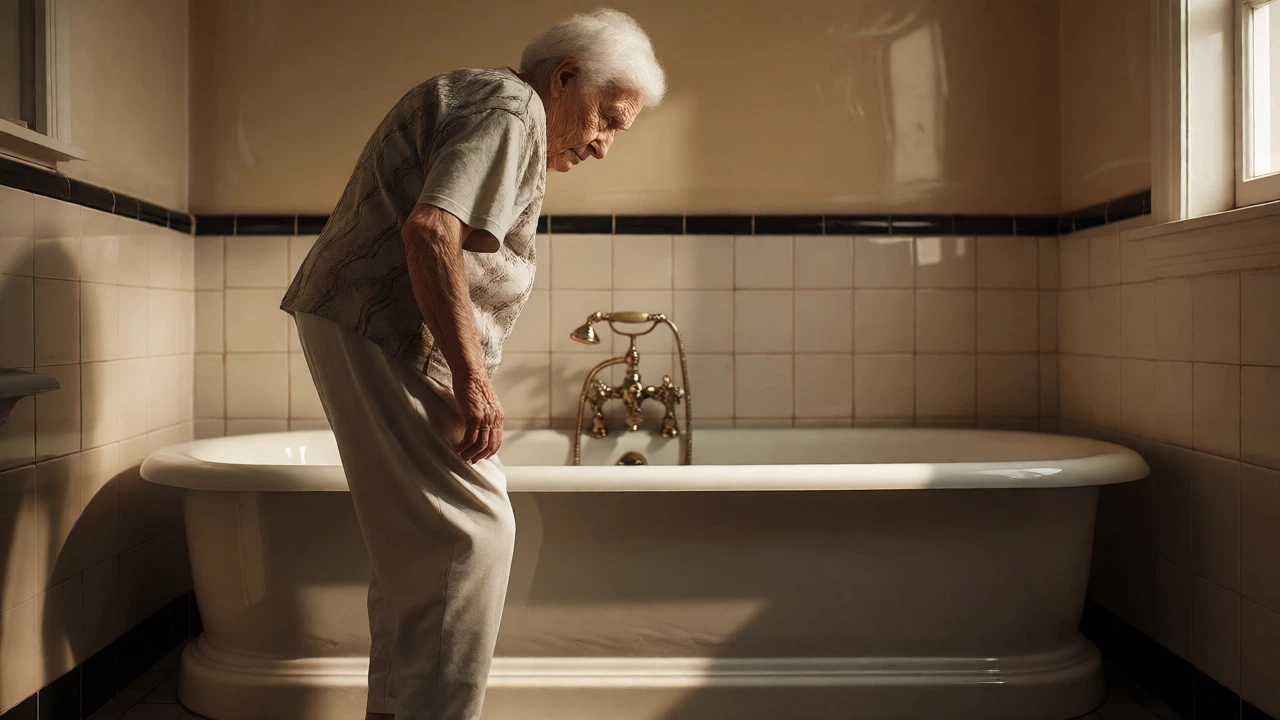
You’re standing in your current tub, staring at the high rim that feels more like a mountain climb than a step-over. Your knees ache, your balance isn’t what it used to be, and you know one slip could change everything. You’ve heard about walk-in showers being safer, but the price tag makes you hesitate. The big question on everyone’s mind is: will Medicare pay for a walk-in shower?
Here’s the short answer that might disappoint you: No, Original Medicare (Parts A and B) generally does not cover the cost of installing a walk-in shower as a home improvement project. It considers this a structural change to your home, not medical treatment. However, there are nuances, exceptions, and alternative funding sources that can help you get that safe bathing space without draining your savings.
The Core Rule: Why Medicare Says No
To understand why Medicare draws the line here, you have to look at how they define "medical necessity." Medicare covers services and supplies needed to diagnose or treat an illness or injury. They also cover certain durable medical equipment (DME). But they do not cover items that are useful in daily living unless they are strictly necessary for a medical condition and cannot be substituted.
A walk-in shower falls under the category of home modifications. Think of it like installing new flooring or repainting a room. While these things improve quality of life, Medicare views them as part of maintaining a habitable residence rather than treating a disease. Even if a doctor writes a note saying you need it to prevent falls, Medicare usually rejects the claim because a standard bathtub with grab bars is considered a viable, lower-cost alternative.
| Item/Service | Medicare Coverage Status | Reasoning |
|---|---|---|
| Walk-in Shower Installation | Not Covered | Considered a home modification/improvement. |
| Grab Bars | Covered (if medically necessary) | Classified as Durable Medical Equipment (DME). |
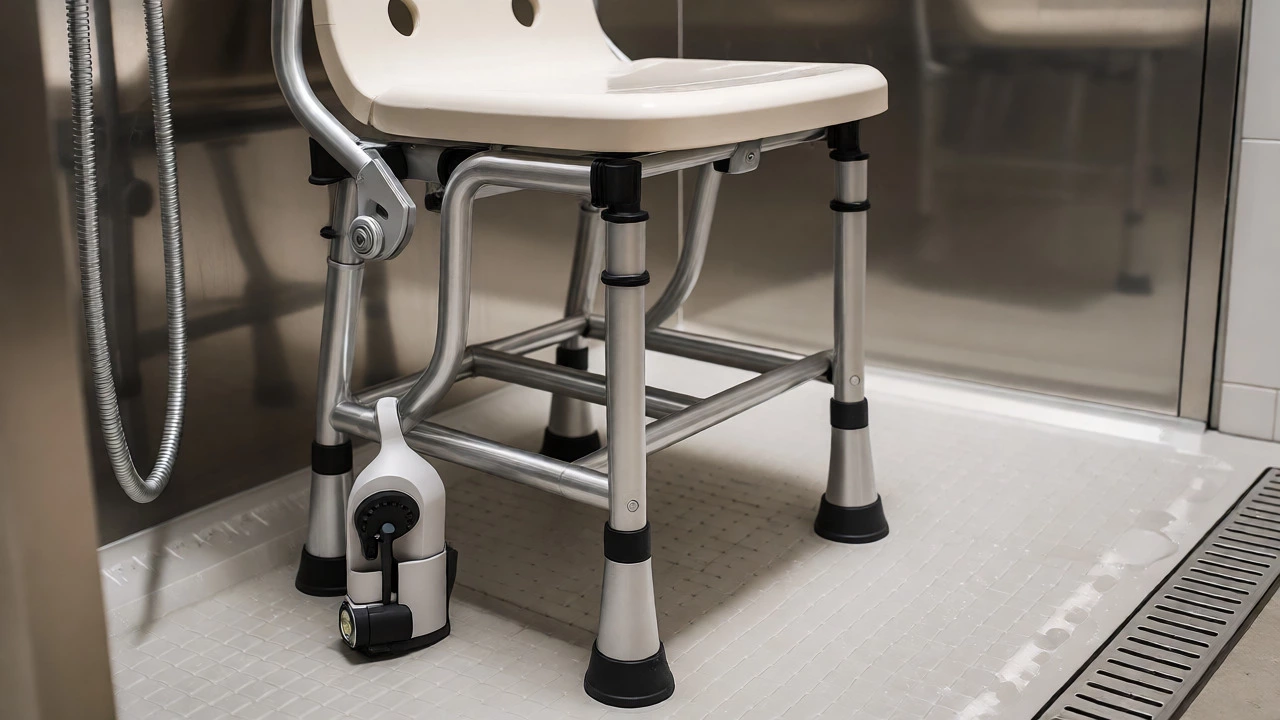
| Shower Chair/Bench | Covered (if medically necessary) | Assistive device for bathing mobility. |
| Handheld Shower Head | Not Covered | General household convenience item. |
| Non-Slip Mats | Not Covered | Over-the-counter safety supply. |
The Exception: Durable Medical Equipment (DME)
While Medicare won’t pay for the plumbing, tiling, or labor to install the shower itself, they will pay for specific pieces of equipment that go inside it. This is where Durable Medical Equipment comes into play. DME is defined by Medicare as items that can withstand repeated use, serve a medical purpose, and are appropriate for use in the home.
If your doctor documents that you have a condition-like severe arthritis, a history of falls, or limited mobility-that prevents you from standing while bathing, Medicare may cover a shower chair or bench. To qualify, the equipment must be prescribed by a physician who has seen you within the last six months. You’ll also need to purchase the item from a Medicare-approved supplier.
Here’s the catch: Medicare typically pays 80% of the approved amount after you meet your annual Part B deductible. You are responsible for the remaining 20%. For a basic shower chair, which might cost $50-$100, this out-of-pocket cost is minimal. But remember, this only covers the chair, not the construction of the shower stall around it.
Medicare Advantage Plans: A Different Story
If you have Medicare Advantage (Part C), the rules can shift significantly. These plans are offered by private companies approved by Medicare. Because they operate differently, many offer extra benefits that Original Medicare doesn’t touch. These often include allowances for over-the-counter health items, vision, dental, and sometimes home safety modifications.
Some Medicare Advantage plans offer a "flexible spending account" or a specific wellness benefit that allows you to apply funds toward bathroom safety upgrades. In rare cases, a plan might cover up to $500 or $1,000 annually for home modifications if they deem it necessary to keep you independent and avoid hospitalization. You must check your specific plan’s Evidence of Coverage document. Don’t assume; call the member services number on the back of your card and ask specifically about "home modification benefits" or "bathroom safety allowances."
Alternatives to Full Replacement
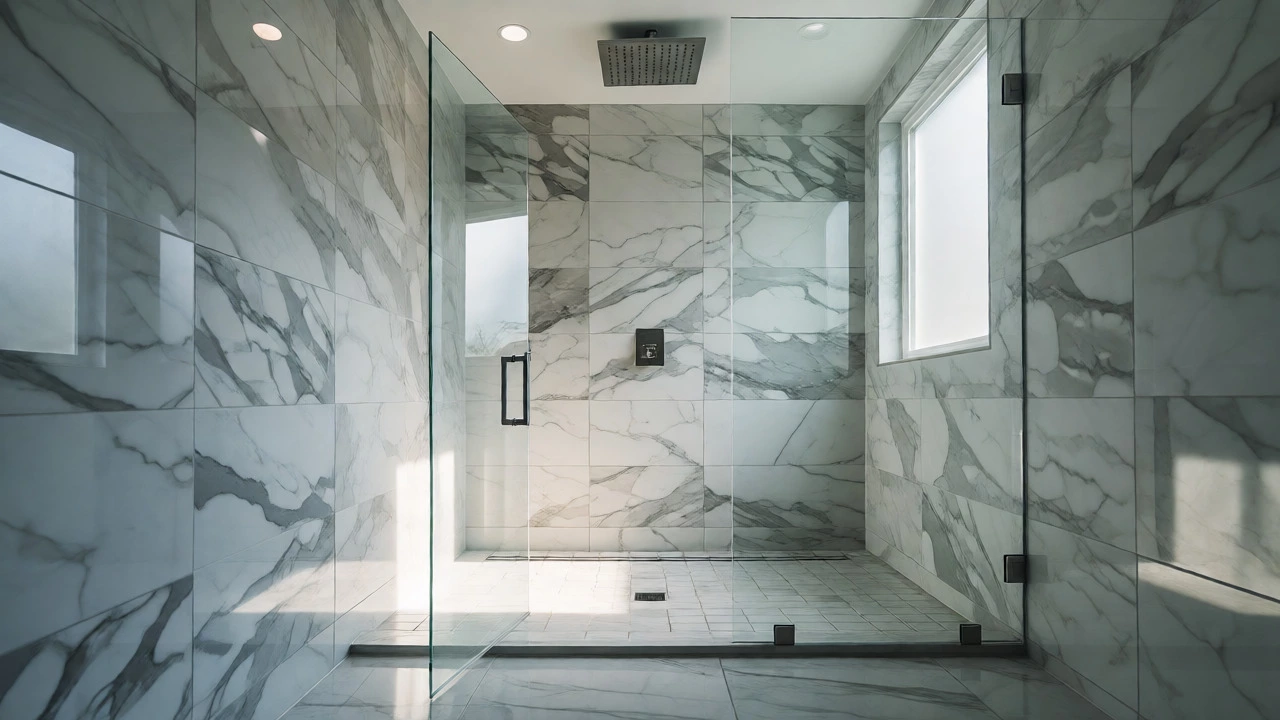
Since full installation costs can range from $3,000 to over $15,000 depending on complexity, most seniors opt for retrofitting their existing space. This approach is cheaper and faster. Instead of tearing out walls, you can convert a standard tub into a low-threshold entry using a prefabricated kit.
Consider these cost-effective strategies:
- Tub-to-Shower Conversions: These kits replace the tub with a shallow base. They are less invasive than full remodels and can often be installed in a day.
- Transfer Benches: If a full shower isn’t feasible, a transfer bench allows you to sit outside the tub, swing your legs over, and slide in. Medicare covers these if medically necessary.
- Grab Bar Installation: Installing sturdy grab bars near the toilet and in the shower area is a small investment ($50-$150 per bar including labor) that drastically reduces fall risk.
- Anti-Slip Treatments: Applying non-slip coatings to existing tiles or tub surfaces is a cheap way to increase traction immediately.
Funding Sources Beyond Medicare
If Medicare won’t write the check, who will? Several other avenues exist for financing bathroom safety improvements.
Long-Term Care Insurance: If you purchased a policy years ago, check your benefits. Many policies cover "activities of daily living" assistance, which can include home modifications necessary for independence. Some policies provide a lump sum for home safety upgrades.
State Medicaid Waivers: Medicaid is state-run, so rules vary wildly. Many states offer Home and Community-Based Services (HCBS) waivers. These programs are designed to keep seniors in their homes rather than nursing facilities. Under these waivers, you might qualify for grants or loans specifically for home modifications, including walk-in showers. Contact your local Area Agency on Aging to find out if your state offers this.
Veterans Affairs (VA) Grants: If you are a veteran, the VA offers the Special Housing Adaptation Grant and the Temporary Residence Adaptation Grant. These can provide substantial funds for bathroom modifications if your service-connected disability requires them. Even if you don’t have a service-connected rating, some veterans qualify for assistance based on income and age.
Local Non-Profits and Charities: Organizations like Habitat for Humanity often run "Aging in Place" repair programs. They may volunteer labor or materials to make critical safety repairs for low-income seniors. Local religious groups or senior centers sometimes have emergency funds for exactly this type of need.
How to Appeal a Denial
Did your doctor submit a claim for a shower-related item and get denied? You have the right to appeal. Start with a redetermination request. You’ll need to gather strong evidence: detailed notes from your primary care physician or specialist explaining why alternatives (like a regular tub) are unsafe for you. Include photos of your current bathroom setup showing the height of the tub wall versus your ability to lift your leg. Show that the modification is essential for preventing falls, which would otherwise lead to costly hospitalizations Medicare would have to pay for.
Keep records of every conversation. Note dates, names of representatives, and reference numbers. Persistence pays off. Sometimes, a well-documented appeal highlighting the long-term savings of fall prevention can sway a reviewer, though success rates for home modifications remain low.
Practical Tips for Choosing Your Shower
When you decide to move forward, focus on features that maximize safety and usability. Look for thermostatic mixing valves, which maintain water temperature even if pressure drops elsewhere in the house. This prevents scalding accidents. Choose textured floors rather than smooth tile to reduce slipping. Ensure the door swings outward or uses a curtain; inward-swinging doors can trap you if you fall against them.
Also, consider the width. A wider shower allows for easier movement if you use a walker or wheelchair. Test the threshold height. Ideally, it should be less than two inches. If you’re hiring a contractor, get three quotes. Ask specifically if they work with seniors and understand accessibility standards. Check reviews and ask for references from previous clients who had similar needs.
Does Medicare Part B cover shower chairs?
Yes, Medicare Part B covers shower chairs if they are deemed medically necessary by a doctor. You must have a prescription and buy from a Medicare-approved supplier. Medicare pays 80% of the approved cost after you meet your deductible, leaving you with a 20% coinsurance.
Can I use my HSA or FSA to pay for a walk-in shower?
Generally, no. Health Savings Accounts (HSA) and Flexible Spending Accounts (FSA) cover medical expenses, but home improvements like installing a shower are usually excluded. However, if a doctor prescribes a specific piece of equipment (like a specialized seat) as part of the process, that portion might be eligible. Always consult your plan administrator before spending.
Are walk-in showers tax-deductible?
In some cases, yes. If the modification is primarily for medical care and increases your home's value by less than the cost of the installation, you may deduct the net cost as a medical expense on your federal taxes. Consult a tax professional to determine eligibility based on your specific situation and AGI thresholds.
How much does a walk-in shower cost to install?
Costs vary widely based on location and complexity. A basic prefabricated unit installed by a handyman might cost $2,000-$4,000. A custom-tiled, fully remodeled walk-in shower can range from $8,000 to $15,000+. Labor accounts for a significant portion of this cost.
Does Medicaid pay for walk-in showers?
It depends on your state. Traditional Medicaid rarely covers home modifications, but Medicaid waiver programs (HCBS) often do. These waivers are designed to help people stay in their homes. Check with your state’s Medicaid office or local aging agency for available programs.