Window Privacy Solutions: See Out, Stay Hidden
 Nov, 16 2026
Window Privacy Solution Finder
Find the perfect balance between natural light and privacy. Answer three simple questions to get a personalized recommendation.
Fill in the details on the left and click "Find My Solution" to see recommendations.
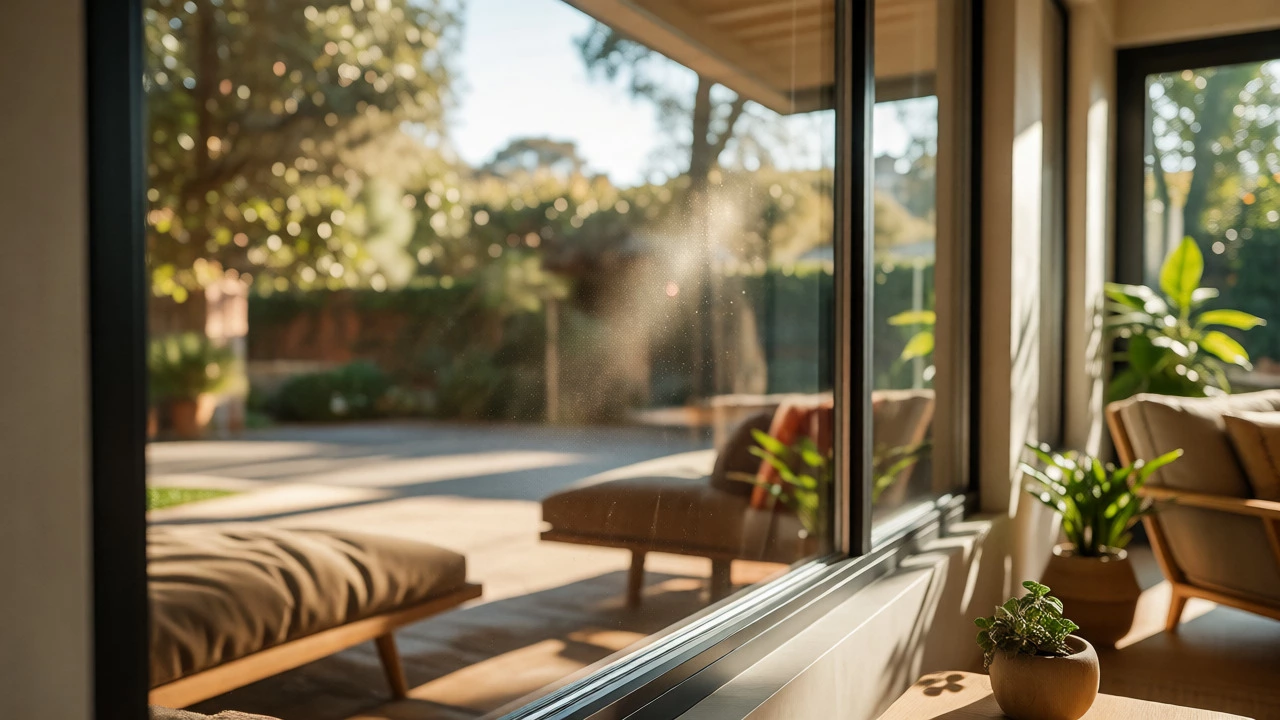
You’re trying to enjoy the view of your garden or the street below, but you feel like a fish in a bowl. Every passerby seems to have a clear line of sight into your living room. It’s annoying, right? You want natural light and visibility, but you also want to change clothes or eat breakfast without an audience. The good news is that you don’t need to live behind thick blackout drapes to get privacy. There are several clever ways to achieve that "one-way mirror" effect where you can see out, but outsiders only see a reflection or a blur.
| Method | Visibility (You) | Privacy Level | Best For |
|---|---|---|---|
| One-Way Mirror Film | Clear during day | High (daytime) | Street-facing windows |
| Sheer Curtains | Softened view | Medium-High | Living rooms, bedrooms |
| Frosted Glass | Blurred | High | Bathrooms, front doors |
| Top-Down Bottom-Up Blinds | Adjustable | Customizable | Kitchens, offices |
The Magic of One-Way Mirror Film
If you’ve ever wondered how office buildings keep people from looking in while allowing employees to look out, it’s often thanks to reflective window film. This isn’t just for skyscrapers; you can buy it for your home. It works on a simple principle: light travels both ways, but our eyes adjust to brightness. During the day, the outside is brighter than your indoors. The film reflects most of that external sunlight, so from the outside, your window looks like a mirror. Inside, because it’s darker, your eyes can still see through the tinted layer to the bright outdoors.
However, there is a catch. At night, when you turn on your lights and the outside goes dark, the effect reverses. Suddenly, everyone can see into your brightly lit room, and you can’t see out. To fix this, you’ll need a secondary layer, like a curtain or blind, for evening use. When choosing film, look for options with a high Visible Light Transmission (VLT) rating if you want to keep things bright, or lower VLT if you prefer more tint. Installation requires care-bubbles are a nightmare-but many local hardware stores offer professional application services if you’re not handy.
Why Sheer Curtains Are Still King
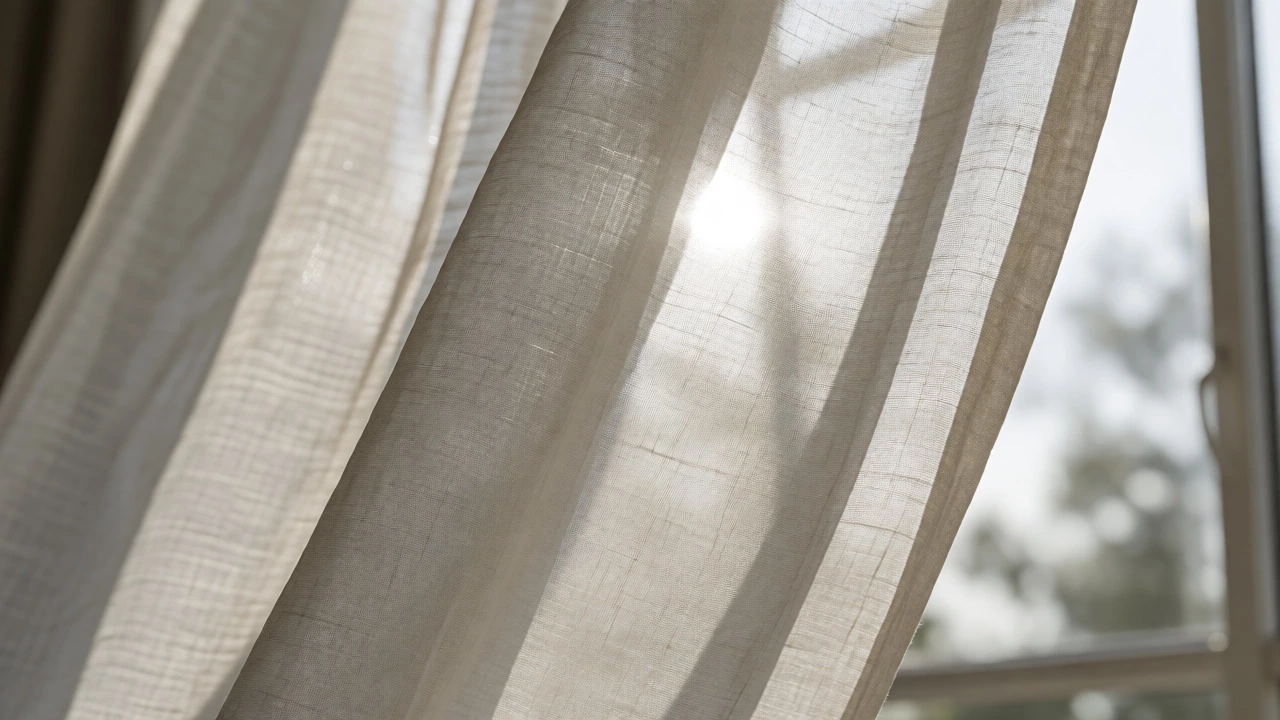
Before films became popular, sheer curtains were the go-to solution for balancing light and privacy. They diffuse light rather than blocking it completely. Unlike solid fabrics, sheers scatter incoming light, which blurs the view from the outside. If someone tries to look in, they see a soft, indistinct shape rather than sharp details.
The key here is fabric density. A very loose weave might let too much detail through. Look for tightly woven polyester or linen blends that offer opacity while maintaining airflow. In Auckland, where we love our indoor-outdoor flow, sheers are fantastic because they don’t block the breeze when windows are open. Plus, they add a layer of warmth at night. If you’re worried about the "see-through" factor at night, pair them with heavier drapes on a double track. You keep the sheers up all day for privacy and light, then pull the heavy drapes closed after sunset.
Frosted Glass and Etched Films
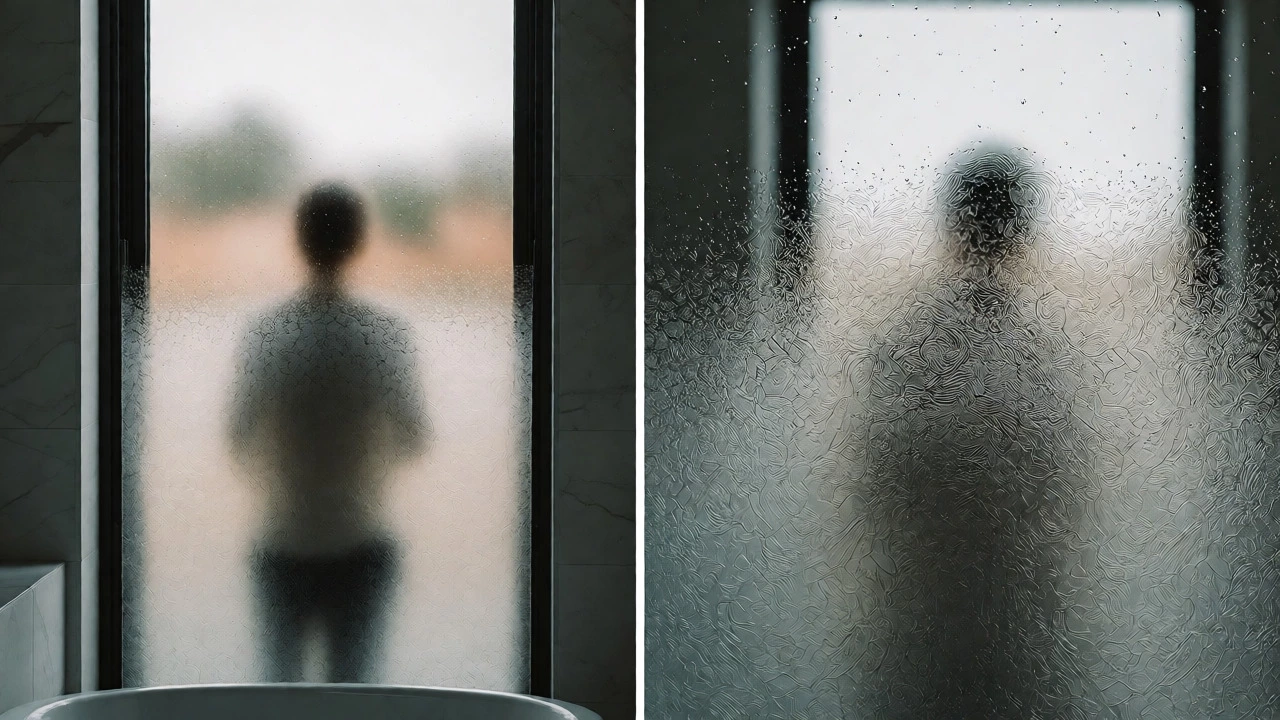
Sometimes, you don’t need a perfect view; you just need light. That’s where frosted glass or adhesive etched films come in. These treatments create a textured surface that scatters light in multiple directions. From the inside, you see a blurry version of the world outside. From the outside, you are completely obscured.
This option is permanent unless you peel off the film, making it ideal for bathrooms, entryways, or ground-floor bedrooms where security is a concern. Modern etched films aren’t just plain white fog anymore. You can find patterns, gradients, and even decorative designs that add style to your space. A gradient film, for example, might be fully opaque at the bottom for privacy near eye level but clear at the top to let in sky views. It’s a smart way to tailor privacy exactly where you need it.
Smart Blind Choices: Top-Down Bottom-Up
Standard blinds force a choice: raise them and lose privacy, or lower them and lose light. Top-down bottom-up (TDBU) blinds solve this by letting you position the fabric anywhere on the window. You can lower the top section to let in natural light from above while keeping the bottom half closed to block the view from passersby at street level.
This mechanism is particularly useful for tall windows or skylights. While traditional Venetian blinds allow some visibility through the slats, cellular shades (also known as honeycomb blinds) provide better insulation and complete visual coverage when lowered. Motorized versions are worth the investment if you have hard-to-reach windows. Just remember that TDBU systems rely on precise tension cords, so quality matters. Cheap versions tend to jam or sag over time.
Layering Is Your Best Friend
No single product solves every privacy scenario perfectly. Daytime needs differ from nighttime needs. Summer sun angles differ from winter ones. The most effective strategy is layering. Start with a base layer of privacy film or frosted glass for daytime obscurity. Add a middle layer of sheer curtains for diffusion and aesthetic appeal. Finally, include a blackout or thermal drape for total privacy and insulation at night.
This approach gives you control. On a sunny afternoon, you might only need the film. On a cloudy day, you might draw the sheers. At night, you close the drapes. It sounds complicated, but once installed, it becomes second nature. It also protects your furniture from UV damage, which fades carpets and upholstery over time. In New Zealand, where UV levels are intense, this added protection is a significant bonus.
Common Pitfalls to Avoid
Many people install reflective film and forget about the night-time reversal issue, leading to awkward moments when neighbors realize they can see in. Always test your setup at dusk. Another mistake is ignoring the frame. If your film doesn’t cover the edges properly, gaps will ruin the illusion. Measure twice, cut once. Also, consider cleaning. Frosted glass and films show fingerprints and dust easily. Use a squeegee and mild soap solution to maintain clarity.
Finally, think about aesthetics. Reflective film can sometimes give a building a commercial or sterile look. If you dislike that vibe, stick with sheers or textured glass. Home should feel cozy, not like an office park. Balance function with feeling. If you rent, choose removable solutions like static-cling films or tension rods for curtains, so you can take them with you when you move.
Does one-way window film work at night?
No, not effectively. One-way film relies on the difference in light intensity between inside and outside. At night, when your interior lights are on and it's dark outside, the effect reverses. People outside can see in, and you see your own reflection. You need curtains or blinds for nighttime privacy.
Will window film make my house hotter?
Reflective films actually help reduce heat gain by reflecting solar energy away from the glass. However, they can trap heat inside if the room isn't well-ventilated. High-quality ceramic films reject heat without being overly reflective, offering better temperature control.
Can I apply window film myself?
Yes, but it requires patience. You'll need a spray bottle with soapy water, a squeegee, and a utility knife. Bubbles are common mistakes, so work slowly and ensure the glass is impeccably clean before applying the film.
Do sheer curtains provide enough privacy for a street-facing bedroom?
During the day, yes, if the fabric is dense enough. At night, no. For street-facing bedrooms, combine sheers with blackout curtains or use a dual-track system to manage privacy levels throughout the day.
Is frosted glass cheaper than window film?
Replacing glass with frosted panes is significantly more expensive than applying adhesive film. Film is a cost-effective retrofit solution. If you're building new, frosted glass is a durable, long-term option that adds architectural interest.