Wood or Wire Shelves: Which Is Better for Your Home?
 Jan, 1 2026
When you’re picking out shelves for your home, the choice between wood and wire isn’t just about looks. It’s about what your space actually needs. One might look cozy, the other industrial-but which one holds up better under real-life use? Let’s cut through the marketing noise and look at how these two materials perform in kitchens, garages, bathrooms, and living rooms.
Wood shelves: warmth with weight
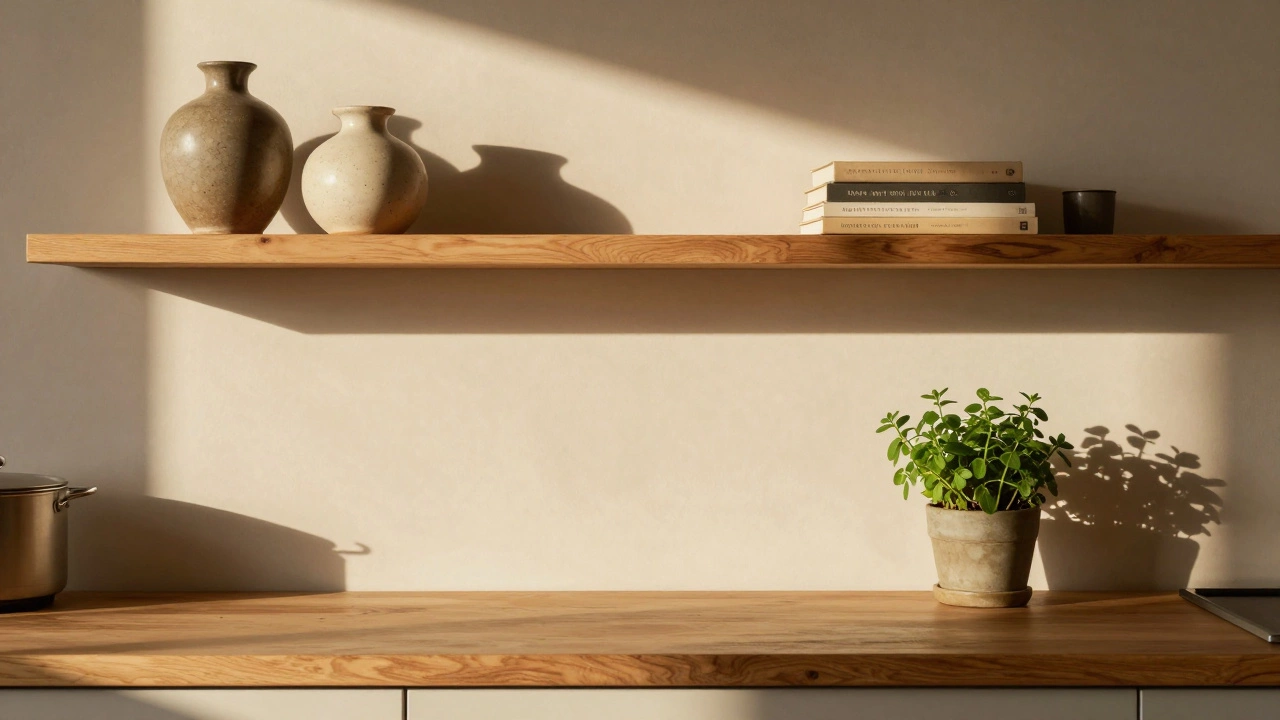
Wood shelves bring a natural, grounded feel to any room. Think oak, pine, or walnut-solid planks that look like they belong in a farmhouse or a modern minimalist space. They’re great if you want your shelves to double as decor. A wooden shelf holding a stack of cookbooks or a few ceramic vases doesn’t just store things-it adds character.
But wood has limits. It’s heavy. A 36-inch oak shelf loaded with books can weigh over 40 pounds. That means you need strong wall anchors, studs, or brackets. Drywall alone won’t cut it. If you’re renting or don’t want to drill into walls, wood might not be your best bet.
Moisture is another issue. In a bathroom or a basement, wood can warp, swell, or even rot over time. Even high-quality sealed wood can develop mildew if damp air lingers. That’s why you rarely see solid wood shelves in laundry rooms or near sinks. If you live in a humid climate, you’re asking for trouble unless you’re willing to refinish them every year.
On the plus side, wood is quiet. No clinking pots or rattling cans. It holds up well under consistent weight. A wood shelf in a pantry can easily carry 50 pounds of canned goods without bending. And if it gets scratched? Sand it down and re-oil it. It ages gracefully.
Wire shelves: strength without the bulk
Wire shelves are the workhorses of storage. You’ve seen them in garages, basements, and commercial kitchens. They’re made of steel wire, often coated with a baked-on finish to resist rust. Their open design lets air circulate, which makes them ideal for damp areas.
They’re also lightweight. A 36-inch wire shelf weighs less than 5 pounds. That means you can install them with basic hooks or tension rods-no drill required. Renters love them. So do people who move often.
Wire shelves handle moisture like champs. In a bathroom, they won’t swell. In a garage, condensation won’t ruin them. Even in a laundry room, wet towels won’t cause warping. That’s why they’re the top choice for utility storage.
But they’re not perfect. The open design means small items can fall through. Socks, spices, or jars with narrow bases? They’ll slip right between the wires. That’s why many people use wire baskets or trays on top. You lose some of the clean, minimalist look.
They also make noise. Metal cans clatter. Glass bottles rattle. If you’re storing dishes or cans in a kitchen where quiet matters, the sound can get annoying. And if the coating chips-say, from dropping something heavy-rust can start to creep in. Not a dealbreaker, but it needs watching.
Weight capacity: what can they really hold?
Let’s get specific. A standard 36-inch wooden shelf made from 3/4-inch pine, properly supported at both ends, can hold about 75 pounds. Oak or maple? That jumps to 100-120 pounds. But only if it’s mounted into wall studs. If you’re using drywall anchors, cut that in half.
Wire shelves? A typical 36-inch steel wire shelf, with three support legs and a 16-gauge frame, holds 150 pounds. Some heavy-duty models go up to 200 pounds. They’re engineered for load, not aesthetics. No need for studs. Just attach the brackets to the wall and load it up.
That’s a big difference. If you’re storing tools, boxes of books, or canned goods in bulk, wire wins. If you’re displaying books, photos, or decorative items, wood feels more intentional.
Where each shines: real-life scenarios
- Kitchen pantry: Wood for everyday items you want to see-spices, jars, bowls. Wire for bulk items-canned goods, pet food, paper towels.
- Bathroom: Wire, no contest. Moisture-resistant, easy to clean, won’t mildew. Wood here is a risk.
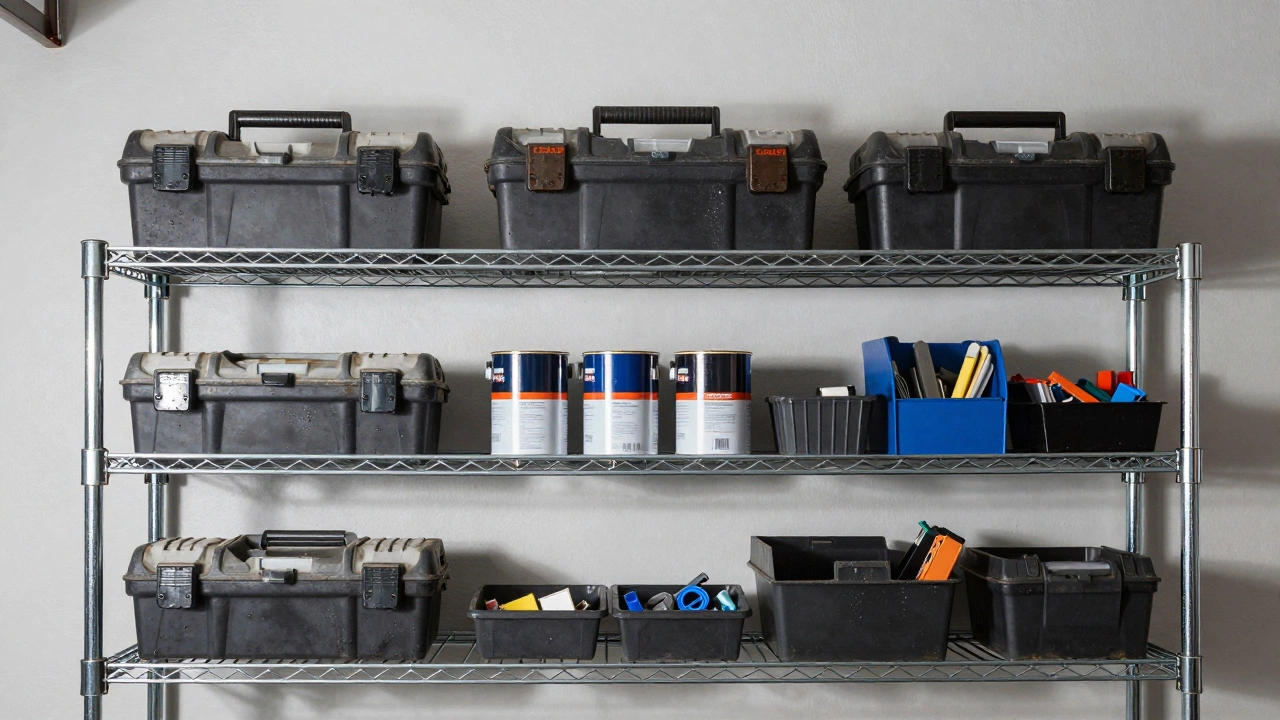
- Garage or workshop: Wire. You’re storing tools, paint cans, hardware. Rust and dirt are inevitable. Wire handles it. Wood? It’ll crack and warp.
- Living room or bedroom: Wood. This is where appearance matters. A sleek wooden shelf holding a few plants or art books looks curated. Wire looks like storage, not style.
- Home office: Depends. If you’re stacking binders and printers, wire’s stronger. If you want to show off books or a small speaker, wood adds warmth.
Cost and maintenance: long-term value
Wood shelves cost more upfront. A basic 36-inch pine shelf runs $40-$80. Solid hardwood? $100-$200. You’re paying for material, finish, and craftsmanship.
Wire shelves? You can get a set of three for $50-$70. They’re mass-produced, lightweight, and easy to ship. You get more storage per dollar.
Long-term, wood needs care. Every few years, you might need to sand and reseal it. If it gets water damage, you’re looking at replacement. Wire? Just wipe it down. If the coating chips, you can spray on a rust-inhibiting paint. Lasts 10-15 years with minimal effort.
One thing people forget: wood can be repaired. A scratch? Sand and oil. A loose joint? Glue and clamp. Wire? Once the wire breaks or the frame bends, you’re replacing the whole shelf.
Hybrid solutions: why not both?
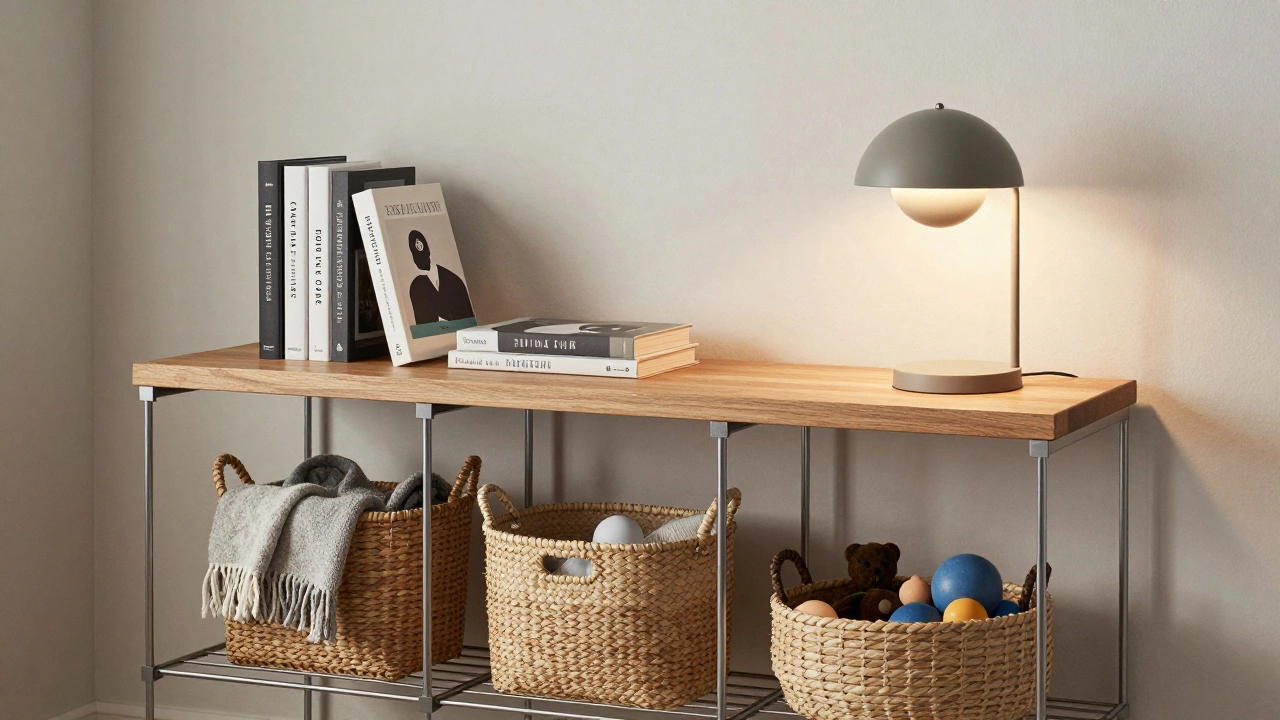
You don’t have to pick one. Many people mix them. Use wood for the top shelf in a bookcase to display items. Use wire underneath for heavy storage. In a kitchen, install a wooden shelf above the counter for decor, and wire shelves inside the cabinet for pots and pans.
Modular systems like IKEA’s KUNGSBACKA or Elfa let you combine wood fronts with wire backs. You get the look of wood with the strength of metal. It’s the best of both worlds-and it’s becoming more popular.
Final verdict: it’s not about which is better, but which is right
There’s no universal winner. Wood is for beauty, quiet, and permanence. Wire is for function, durability, and flexibility.
If you’re storing things you want to hide or that get heavy-go wire. If you’re displaying things you want to admire-go wood.
Still unsure? Ask yourself this: Do I care more about how it looks, or how much it holds? If you answered ‘looks,’ choose wood. If you answered ‘holds,’ choose wire.
And if you’re still stuck? Start with one wire shelf in your garage or bathroom. See how it works. Then add a wood shelf in your living room. Compare them side by side. Your own experience will tell you more than any article ever could.
Can wire shelves rust in a bathroom?
Yes, but only if the coating is damaged. Most wire shelves have a baked-on enamel or powder coating that resists moisture. As long as you don’t scrape the surface with sharp tools, rust won’t form. If you notice chipping, touch it up with rust-inhibiting spray paint.
Are wood shelves safe for kitchens?
Yes, if they’re sealed properly and kept dry. Avoid placing them directly above the sink or dishwasher. Use them for dry storage like spices, dishes, or cookbooks. If you live in a humid area, choose teak or cedar-they’re naturally more resistant to moisture.
Can I install wood shelves without drilling?
Not safely. Wood shelves are heavy. Even lightweight pine needs wall anchors or studs to hold weight. Adhesive strips or tension rods won’t support more than 10-15 pounds. If you can’t drill, use wire shelves-they’re designed for non-permanent installation.
Which is cheaper in the long run?
Wire shelves. They cost less upfront and last longer with minimal upkeep. Wood looks nicer but requires more maintenance-refinishing, sealing, repairs. Over 10 years, wire usually wins on total cost of ownership.
Do wire shelves look cheap?
Only if you leave them bare. Modern wire shelves come in matte black, brushed nickel, and white finishes. Pair them with woven baskets or wooden trays to soften the look. Many high-end brands like Elfa and ClosetMaid now design wire systems that look intentional, not industrial.