Can You Replace Just the Cushions on a Couch? A Complete Guide
 May, 4 2026
Sofa Cushion Replacement Cost & Foam Estimator
Your Sofa Details
Analysis & Recommendation
Repair Cost
Potential Savings
Replacing cushions is significantly more economical.
Recommended Foam Specs
Density: 30–40 kg/m³
Firmness (ILD): 2.5–3.5 lbs
Expected Lifespan: 3–5 years
This provides balanced support suitable for daily family use without being too firm or too soft.
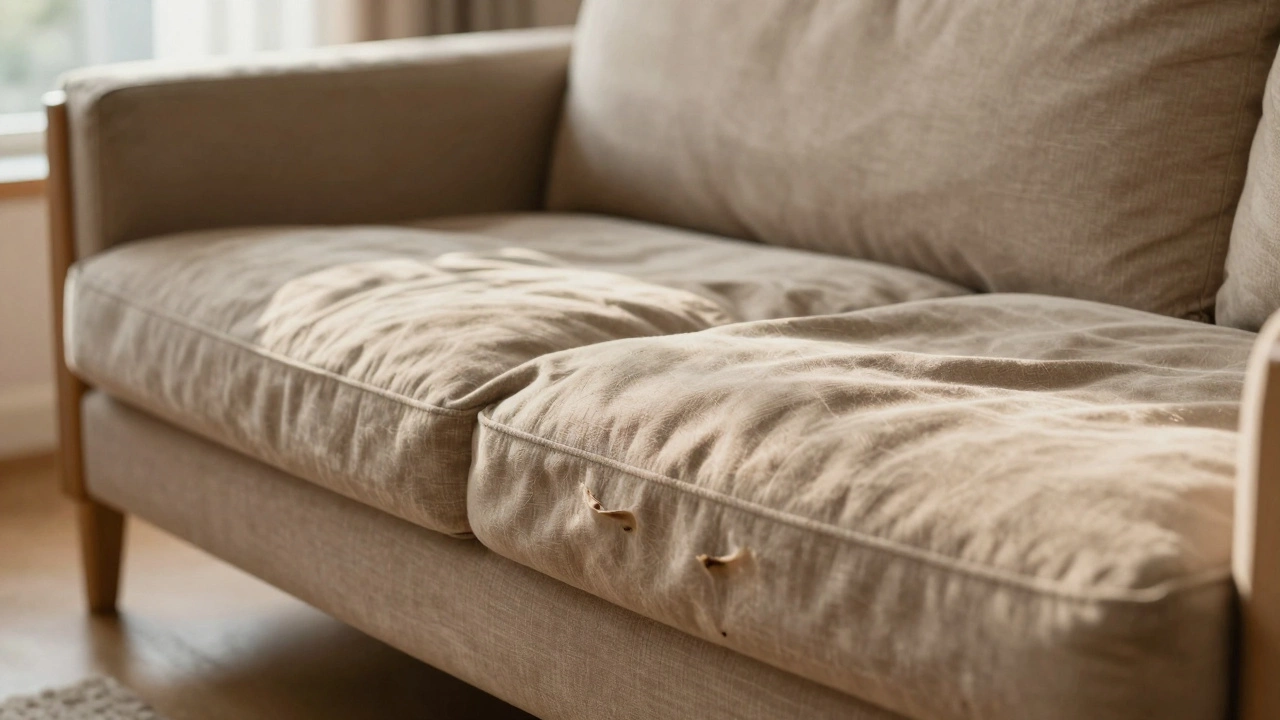
Imagine sinking into your favorite armchair, only to feel a hard lump of compressed foam where soft support used to be. It’s frustrating, especially when the rest of the sofa looks great. The fabric is intact, the frame is solid, but the seat feels like a brick. You might be wondering if you can just swap out those tired cushions without buying an entirely new piece of furniture. The short answer is yes, you absolutely can. But it’s not as simple as walking into a store and picking up off-the-shelf replacements. Here’s what you need to know to get it right.
Understanding Why Your Cushions Need Replacing
Before jumping into measurements, it helps to understand why cushions fail in the first place. Most modern sofas use high-density polyurethane foam, which is a durable material designed to retain its shape over years of use. However, even high-quality foam eventually breaks down due to gravity, body weight, and environmental factors like heat and humidity. In Auckland, where humidity can fluctuate significantly, this breakdown happens faster than in drier climates.
When foam loses its resilience, it doesn’t just get softer; it becomes uneven. One side might sag more than the other, creating that uncomfortable “hammock” effect. Sometimes, the foam itself is fine, but the inner wrapping-often made of polyester fiberfill or Dacron batting-has flattened. This outer layer provides the plush feel on top of the firm foam core. If only the batting is worn, you might save money by having an upholsterer re-wrap the existing foam rather than replacing the entire block.
Measuring for Replacement Cushions: The Critical Step
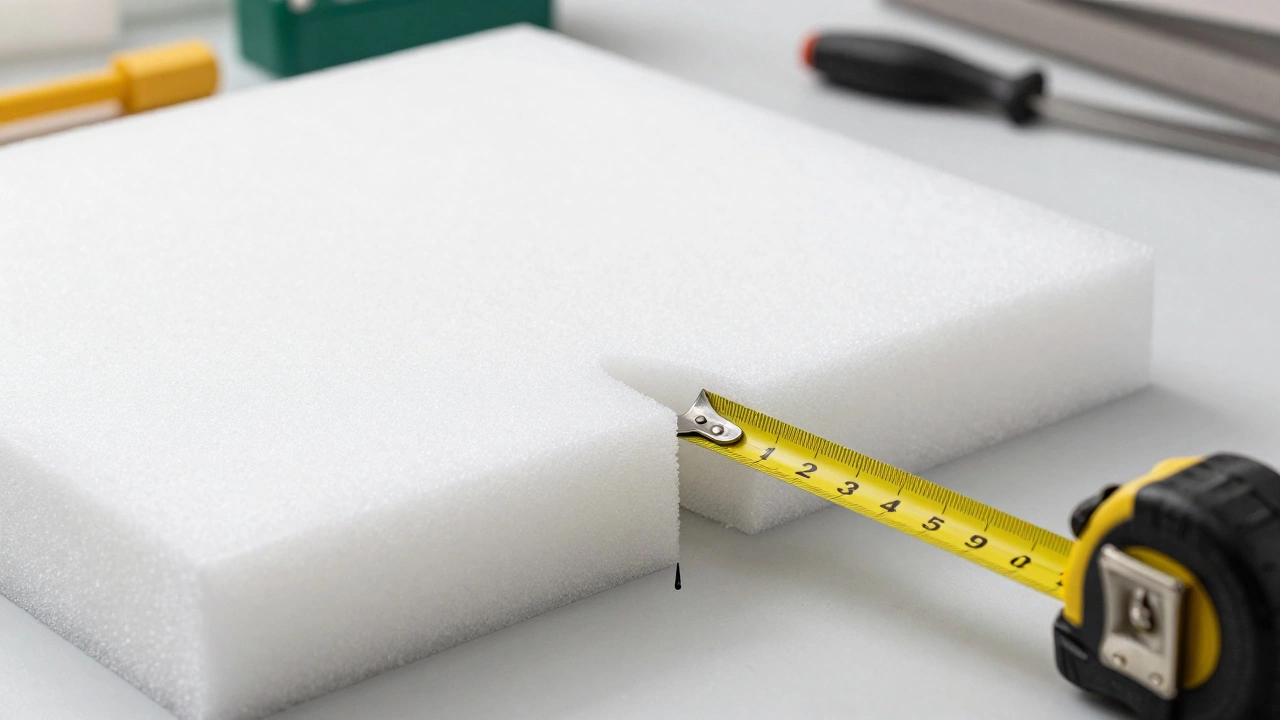
The biggest mistake people make is assuming all sofa cushions are standard sizes. They aren’t. To replace them successfully, you need precise measurements. Grab a tape measure and follow these steps:
- Measure the length: Place the tape along the longest edge of the cushion, from corner to corner. Do this while the cushion is uncompressed if possible, but note that some compression is inevitable during measurement.
- Measure the width: Measure the shortest edge, again from corner to corner.
- Measure the height: This is tricky. Sit on the sofa normally, then measure from the base of the seat (where the cushion sits) to the top of the cushion at its highest point. Remember to account for any skirt or piping that might add extra height.
- Check the corners: Are they square, rounded, or tapered? Tapered corners require custom fabrication because they won’t fit into a box-style frame.
Write these numbers down clearly. Even a half-inch discrepancy can result in cushions that look sloppy or don’t fit properly in the sofa’s track system.
Foam Density Matters More Than Thickness
Not all foam is created equal. When ordering replacements, you’ll encounter terms like “density” and “ILD” (Indentation Load Deflection). These numbers determine how long your new cushions will last and how they feel under pressure.
| Property | Low End (Budget) | Middle Ground (Standard) | High End (Premium) |
|---|---|---|---|
| Density (kg/m³) | 18-25 kg/m³ | 30-40 kg/m³ | 45+ kg/m³ |
| ILD Rating | 1.5-2.0 lbs | 2.5-3.5 lbs | 4.0+ lbs |
| Lifespan Estimate | 1-2 years | 3-5 years | 7+ years |
| Feel | Soft, quick rebound | Balanced support | Firm, supportive |
If you’re replacing cushions for a family room where kids jump on the sofa, aim for at least 30 kg/m³ density. For a formal living room used occasionally, lower density might suffice. Higher ILD means firmer support, which is better for older adults who need help standing up from a seated position.
Options for Replacement: DIY vs. Professional Upholstery
You have three main paths forward, each with different costs and effort levels.
Option 1: Buy Pre-Made Cushions Online
This works only if your sofa has very standard dimensions. Many online retailers sell generic sofa cushions in common sizes like 20x20 inches or 24x24 inches. Check if your cushions match these exactly. If they do, you can order them directly. However, most sofas have unique shapes or non-standard depths, making this option unlikely to yield a perfect fit.
Option 2: Hire a Local Upholsterer
This is often the best route for quality and longevity. An experienced upholsterer can assess whether your existing foam is salvageable. If so, they can add fresh Dacron batting to restore the plush surface. If the foam is dead, they’ll cut new blocks to your exact specifications and wrap them professionally. In New Zealand, labor costs vary, but expect to pay between $80 and $150 per cushion depending on complexity. While pricier upfront, this solution typically lasts longer than DIY attempts.
Option 3: DIY Foam Cutting and Wrapping
If you’re handy, you can buy raw foam sheets and Dacron batting yourself. Cut the foam using a serrated knife or electric cutter, ensuring clean edges. Then, wrap the foam tightly with batting, securing it with spray adhesive or staples. Finally, sew a new cover or reuse the old one if it’s still in good condition. This approach saves money but requires patience and precision. Mistakes in cutting lead to lopsided cushions that look amateurish.
What About the Covers?
Replacing the foam doesn’t mean you must replace the fabric covers. If your current covers are stained, torn, or outdated, consider reupholstering them simultaneously. Fabric choice impacts durability and comfort. Microfiber resists stains well, while linen offers breathability but wrinkles easily. Velvet adds luxury but shows wear patterns quickly. Consult with your upholsterer about fabric weight and stretch properties to ensure the new cover fits snugly over the refreshed cushion.
If you keep the original covers, check the zippers and seams. Worn zippers can tear delicate fabrics during removal and reinstallation. Reinforce weak spots before proceeding.

Cost Breakdown: Is It Worth It?
Let’s talk numbers. A brand-new mid-range sofa costs anywhere from $1,500 to $4,000 NZD. Replacing four seat cushions through a professional upholsterer might cost $320 to $600 total. That’s less than 20% of the price of a new sofa. Factor in emotional attachment to the piece, environmental impact of discarding functional furniture, and design continuity in your home, and the math usually favors replacement.
However, if the sofa’s frame is broken, springs are squeaking loudly, or the backrest is also sagging severely, cushion replacement alone won’t solve the problem. In such cases, investing in a new sofa may be more economical long-term.
Pro Tips for Longer-Lasting Cushions
Once your new cushions are installed, take steps to extend their life:
- Rotate them monthly: Flip front-to-back and left-to-right to distribute wear evenly.
- Avoid direct sunlight: UV rays degrade both foam and fabric over time.
- Vacuum regularly: Dust accumulates inside cushions, accelerating fabric breakdown.
- Use cushion inserts: Add thin foam pads underneath for extra lift and protection.
These small habits make a big difference. I’ve seen friends neglect rotation and end up with permanently indented seats within two years. Others maintain their sofas for over a decade simply by flipping cushions every few weeks.
When Not to Replace Cushions
Sometimes, replacement isn’t feasible. If your sofa uses integrated foam cores glued directly to the frame, removing individual cushions is impossible without dismantling the entire structure. Similarly, antique sofas with hand-tied springs and horsehair stuffing require specialized restoration techniques beyond simple cushion swaps. In these scenarios, consult a heritage furniture specialist instead of attempting general upholstery work.
Also, consider resale value. If you plan to sell the sofa soon, investing heavily in custom cushions may not recoup costs. Buyers often prefer complete sets, not mismatched components.
How much does it cost to replace sofa cushions in New Zealand?
Professional replacement typically ranges from $80 to $150 per cushion, including new foam and labor. DIY options cost less but require purchasing materials separately. Total project costs depend on the number of cushions and fabric choices.
Can I use memory foam for sofa cushions?
Memory foam works but isn’t ideal for everyday seating. It retains body heat and takes longer to recover its shape after sitting. Traditional high-resilience foam offers better support and airflow for frequent use.
Do I need to remove the entire sofa cover to replace cushions?
Most modern sofas have removable zippered covers. Older models may require partial disassembly. Always check manufacturer instructions or consult an upholsterer before forcing zippers or seams open.
How long do replacement cushions last?
With proper care, high-density foam cushions last 5 to 10 years. Lower-density foams may compress noticeably within 2 to 3 years. Regular rotation and cleaning extend lifespan significantly.
Is it cheaper to buy a new sofa or replace cushions?
Replacing cushions is almost always cheaper unless the sofa has structural issues. New sofas start around $1,500 NZD, while full cushion replacements rarely exceed $600 for average-sized pieces.