Comforter vs Blanket: Which One Should You Choose for Better Sleep?
 Apr, 30 2026
Bedding Recommendation Tool
Answer a few questions to find the perfect bedding setup for your specific needs.
Your Ideal Setup
Quick Takeaways
- Comforters are thick, quilted, and designed as a primary warmth layer.
- Blankets are versatile, thinner, and work best for layering or light warmth.
- Choose a comforter for cold winters; use blankets for spring, summer, or adding extra heat.
- Layering both is the pro move for those who struggle with inconsistent room temperatures.
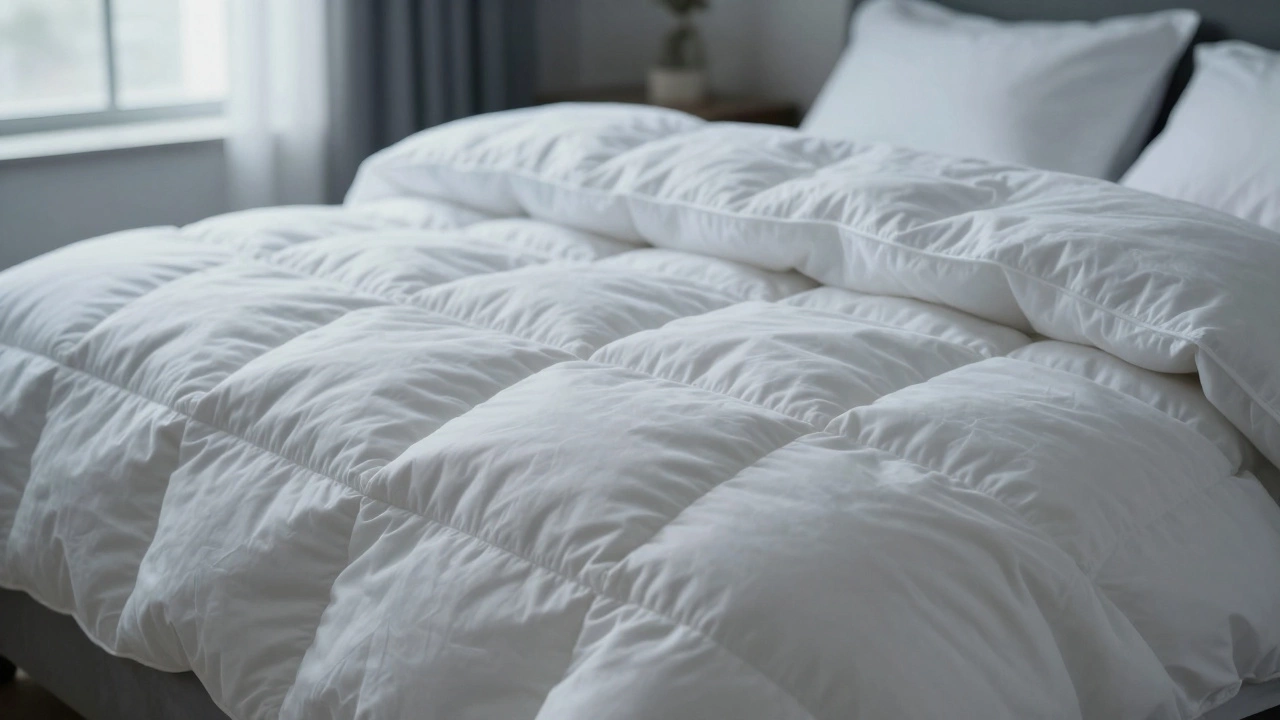
When you're browsing for a new setup, the first thing to understand is that Comforter is a thick, quilted bed cover filled with synthetic fibers, down, or wool, designed to provide significant insulation. Unlike a flat sheet, it's a standalone piece that usually defines the look of your bedroom. It's essentially a heavy-duty warmth shield. If you live somewhere like Auckland where the damp winter air can seep into the bones, a comforter is often your first line of defense.
On the other hand, Blanket is a flexible piece of fabric woven from wool, cotton, or fleece that provides a lighter layer of warmth without the bulk of a fill. Blankets aren't meant to be the only thing on your bed; they are the supporting actors. They can be thrown over your legs while you're on the sofa or layered under a heavier cover to trap more heat.
Breaking Down the Warmth Factor
Why does it matter which one you use? It comes down to "clo value," which is a measure of fabric insulation. A high-fill comforter has a higher clo value, meaning it traps more air and keeps you warmer. But this is a double-edged sword. If you're a "hot sleeper"-someone who tends to overheat-a heavy comforter can feel like a sauna. You'll end up in a cycle of pulling the covers up to your chin and then kicking them off your feet every ten minutes.
Blankets offer more control. Because they are thinner, they allow more air to circulate. If you use a Wool Blanket, for example, you get the benefit of natural moisture-wicking. Wool can absorb a lot of moisture before it feels damp, which is a lifesaver if you sweat during the night. In contrast, a cheap polyester comforter might trap that moisture, leaving you feeling clammy.
| Feature | Comforter | Blanket |
|---|---|---|
| Primary Use | Main warmth layer | Layering / Light warmth |
| Thickness | Thick and fluffy | Thin to medium |
| Breathability | Lower (unless down-filled) | Higher |
| Weight | Heavy | Light to Medium |
| Style | Decorative/Finished look | Casual/Functional |
The Art of Layering for Better Sleep
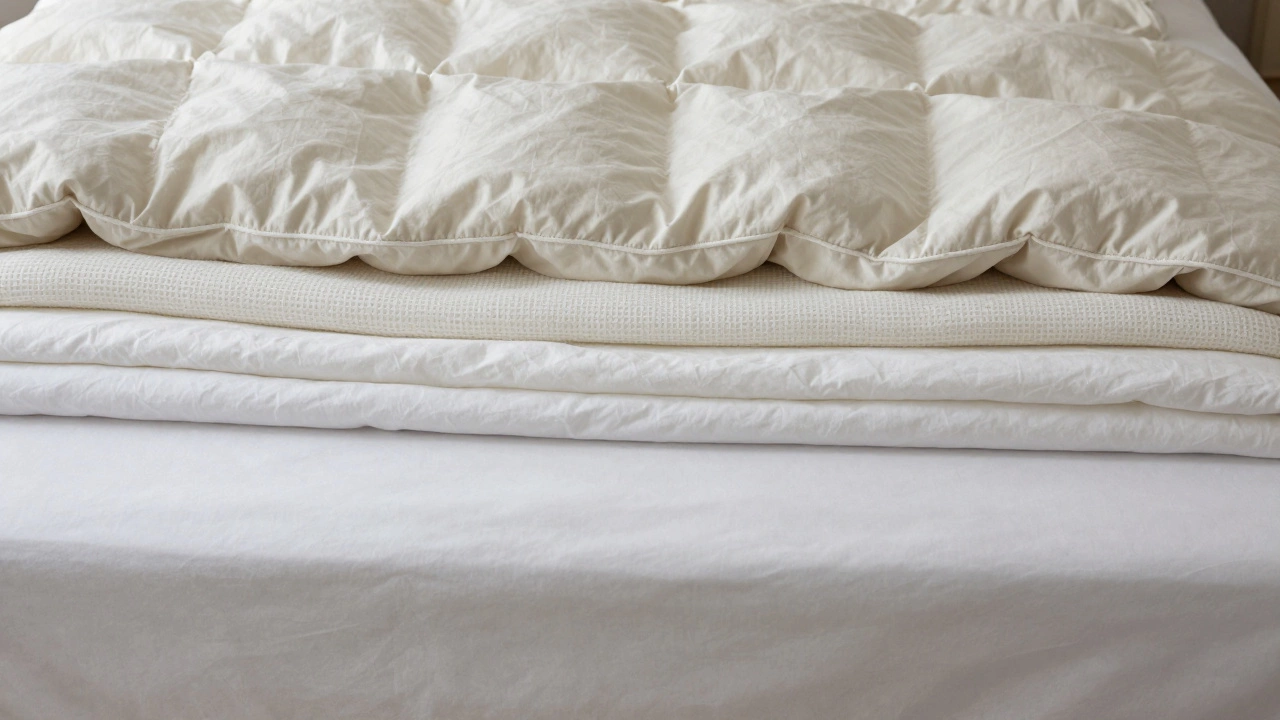
If you can't decide, don't. The secret to the perfect night's sleep is layering blankets and comforters. This is how hotels do it, and it's the most efficient way to manage your microclimate. Instead of relying on one giant slab of fabric, you create a system.
Start with a fitted sheet and a flat sheet. Then, add a medium-weight cotton blanket. This provides a base layer of warmth. Finally, place your comforter on top. If you wake up too hot, you can simply peel back the comforter and still have the blanket for comfort. If you're freezing, the combination of the blanket and comforter creates an air pocket that locks in body heat far more effectively than a single thick layer would.
Consider the materials you're using. A Duvet-which is essentially a comforter inside a removable cover-gives you the most flexibility. You can swap out the duvet insert for a lighter one in the summer and a heavier one in the winter, while keeping the same decorative cover. This is a huge win for those who want a consistent look but different warmth levels throughout the year.
Matching Your Bedding to Your Sleep Style
Are you a side sleeper, a stomach sleeper, or a "burrito" who rolls themselves up tight? Your sleeping position actually changes how these fabrics work for you. Stomach sleepers usually prefer blankets because comforters can feel too restrictive and heavy, making it harder to move freely.
Side sleepers often find that comforters provide a sense of security and "weight" that helps them fall asleep faster. This is similar to the effect of a Weighted Blanket, which uses glass or plastic beads to apply deep pressure stimulation. If you suffer from anxiety or insomnia, the heavy feel of a comforter or a weighted blanket can actually lower your cortisol levels and help you drift off.
Then there are the "temperature swingers." These are people who start the night freezing but wake up in a sweat. For you, a thin blanket paired with a lightweight comforter is the only way to go. It allows you to adjust your warmth in real-time without fully exiting the "sleep zone."
Maintenance and Longevity
Let's be honest: washing a comforter is a nightmare. Most of them are too big for a standard home washing machine, and if you force them in, you risk ruining the balance of your drum or leaving a giant clump of wet filling in the middle. This is why many people prefer blankets. You can toss a wool or cotton blanket in the wash every week without a second thought.
If you go the comforter route, look for those with removable covers (duvets). It's much easier to wash a thin fabric cover than a 5kg quilted insert. For those who use Down Fill, remember that they require specific detergents and a lot of drying time to prevent the feathers from clumping. If you hate high-maintenance bedding, stick to high-quality blankets and a lightweight coverlet.

When to Use Which: A Quick Guide
Still not sure? Use these real-world scenarios to make the call:
- Scenario A: It's mid-July and the humidity is peaking. The winner: A light cotton blanket. A comforter will be way too oppressive.
- Scenario B: It's a rainy Tuesday in August and your bedroom is drafty. The winner: A heavy comforter, possibly layered over a flannel blanket.
- Scenario C: You're lounging on the couch watching a movie. The winner: A throw blanket. A comforter is too bulky for the sofa.
- Scenario D: You want your guest room to look like a luxury hotel. The winner: A plush comforter. It gives the bed that "cloud' look that blankets just can't achieve.
Can I use both a comforter and a blanket together?
Yes, and it's actually recommended for maximum comfort. Layering a blanket underneath a comforter helps trap more heat and gives you the ability to adjust your temperature throughout the night without getting out of bed.
Which is better for allergies?
Generally, blankets are better for allergies because they are easier to wash frequently. If you use a comforter, avoid down fill (feathers) as they can trap dust mites and trigger reactions; instead, opt for hypoallergenic synthetic fills or cotton.
Do comforters stay warm longer than blankets?
Yes. Because of their thickness and fill, comforters have much higher insulation properties. They create a more significant barrier between you and the cold air, whereas blankets rely more on the material's weight and weave.
What is the difference between a comforter and a duvet?
A comforter is a single piece of quilted bedding. A duvet consists of two parts: the duvet insert (the warm part) and the duvet cover (the decorative shell). Duvets are generally more versatile because you can change the cover easily.
Should I use a blanket if I have a space heater?
If you have a consistent heat source, a blanket is usually enough. A heavy comforter combined with a space heater often leads to overheating, which can actually disrupt your REM sleep and make you wake up feeling groggy.
Final Pro Tips for Your Bedding Setup
If you're still struggling to get a good night's rest, look at your fabrics. Avoid 100% polyester if you can; it doesn't breathe and is the primary cause of "night sweats." Stick to cotton, linen, or wool. These materials work with your body's natural thermoregulation rather than fighting against it.
Also, remember that the weight of your bedding affects your psychological state. If you feel anxious, the pressure of a heavy comforter can be soothing. If you feel claustrophobic, a light blanket is the way to go. Your bedding isn't just about warmth-it's about how you feel when you finally close your eyes after a long day.