Curtain Length Guide: Should You Choose Short or Long Curtains?
 Apr, 6 2026
Curtain Length Recommendation Tool
Our Recommendation:
Fill out the form and click "Get Recommendation" to see the best curtain length for your space.
Quick Guide to Choosing Length
- Floor-length: Best for formal spaces, making low ceilings feel higher, and blocking light.
- Short/Sill-length: Ideal for kitchens, bathrooms, and rooms with radiators or furniture under the window.
- Puddle-length: Reserved for romantic, traditional styles where you don't mind a bit of fabric on the floor.
Before you buy, remember that the curtain length you choose will dictate the visual scale of your room. If you want a room to feel larger and more cohesive, go long. If you need functionality and a breezy, casual vibe, go short.
The Case for Long Curtains
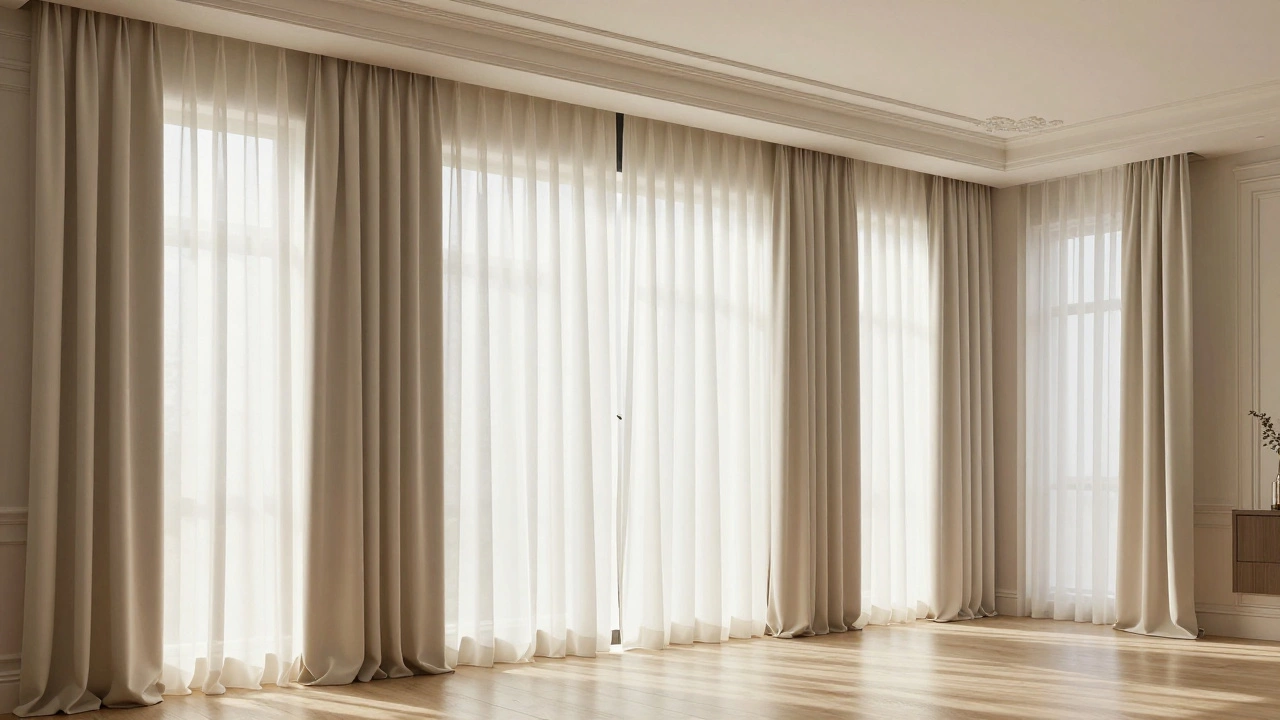
When we talk about long curtains, we're usually referring to Floor-length curtains, which are window treatments that extend from the rod all the way to the floor or just slightly above it. This is the gold standard for most living rooms and bedrooms.
Why does it work? It's all about the vertical line. By drawing the eye from the ceiling down to the floor, you create an illusion of height. If you have 8-foot ceilings but hang your rod 2 inches below the crown molding and let the fabric hit the floor, the room instantly feels airier. It's a classic trick used by interior designers to cheat the architecture of a space.
Long curtains also provide a massive practical advantage: light control. Short curtains often let light leak from the bottom and sides. If you're trying to get a decent night's sleep or block out the midday glare on your TV, floor-length fabric is your best bet. They act as a thermal barrier, keeping the cold draft out during winter and the heat out during summer.
When Short Curtains Actually Win
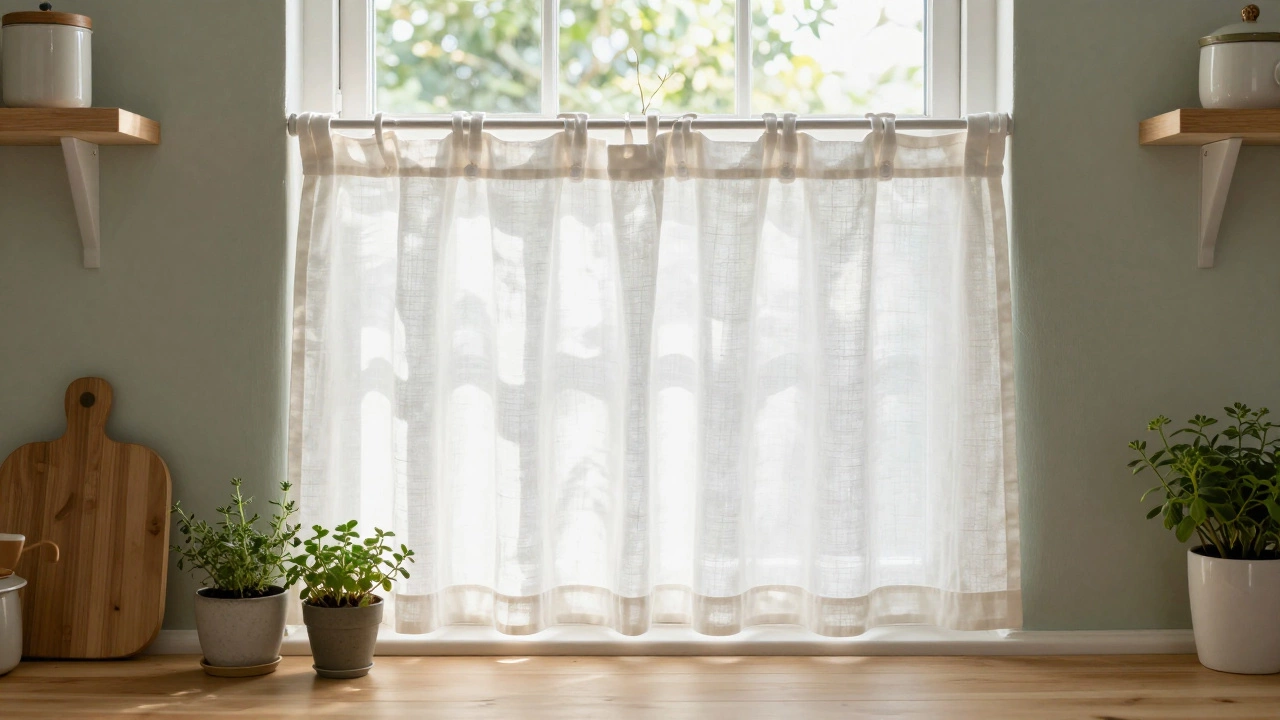
There's a common misconception that short curtains are 'out of style.' That's simply not true. In many rooms, long fabric is actually a hindrance. Think about your kitchen. A Café Curtain, which is a short curtain that covers only the bottom half of a window, allows you to let in natural light while keeping the neighbors from seeing you make breakfast. It's a practical solution that adds a cozy, cottage-core charm.
Short curtains, often called sill-length, are the only choice when you have obstacles. If you have a built-in radiator, a desk, or a deep window sill, dragging fabric across those surfaces is a recipe for a tripping hazard or a fire risk. In a bathroom, short curtains prevent the fabric from soaking up water from the floor or getting splashed by the tub.
From a style perspective, short curtains feel lighter and less formal. They work great in a beach house or a modern minimalist apartment where you want the architecture of the window to be the star, not the fabric.
| Feature | Short (Sill/Apron) | Long (Floor/Puddle) |
|---|---|---|
| Visual Impact | Casual, Airy, Traditional | Elegant, Dramatic, Modern |
| Ceiling Effect | Highlights window size | Creates illusion of height |
| Maintenance | Easy to clean, less dust | Collects dust at the bottom |
| Best Room | Kitchen, Bath, Small Nooks | Bedroom, Living Room, Dining |
| Light Blocking | Moderate (leaks at bottom) | High (full coverage) |
Understanding the 'Break' and the 'Puddle'
If you've decided to go long, you have to choose how the fabric actually meets the ground. This is where people get nervous because a mistake of half an inch can make the room look messy.
First, there's the 'kiss.' This is when the fabric just barely touches the floor. It's the cleanest look and the most modern. It's perfect for people who hate seeing dust bunnies on their curtains.
Then there's the 'break.' Think of this like a pair of trousers. The fabric bunches slightly at the bottom. This is a more relaxed, lived-in look. It's forgiving if your floors are slightly uneven, which, let's be honest, most old houses are.
Finally, you have Puddle Curtains, which are curtains that extend 2 to 6 inches beyond the floor, creating a pool of fabric. This is a high-drama, romantic look. It's stunning in a master bedroom with a canopy bed, but it's a nightmare in a high-traffic hallway where people will constantly step on them.
The Role of Fabric Weight in Length
The material you choose changes how the length performs. If you're using heavy Velvet, long curtains look regal and intentional. The weight of the fabric pulls the pleats down, making the vertical lines very sharp. However, velvet that puddles on the floor can look heavy and oppressive if the room is small.
On the other hand, Linen or sheer fabrics work beautifully in both lengths. A short linen curtain in a sunny kitchen feels fresh and breezy. A long sheer curtain in a living room adds a layer of softness without blocking the view. Because linen has a more natural, wrinkled texture, a 'break' or a slight puddle looks effortless rather than sloppy.

Common Mistakes to Avoid
The biggest sin in window dressing is the 'high-water' look. This is when a curtain is meant to be long but stops 2 or 3 inches above the floor. It looks like the curtains shrank in the wash. If you can't get them to touch the floor, it's better to commit to a short length and hang them at the sill.
Another mistake is hanging the rod too low. Whether you want short or long curtains, hanging your Curtain Rod closer to the ceiling always looks better. It draws the eye upward and makes the window feel larger than it actually is. Even if you're using short curtains, a high rod with a long drop to the sill can add a sophisticated touch of drama.
How to Measure for Perfection
- Determine the Goal: Do you want them to kiss the floor, break, or puddle?
- Measure from the Rod: Don't measure from the window frame. Measure from where the rod will actually be installed down to the floor.
- Account for the Rings: If you're using rings or hooks, remember that they drop the fabric by an inch or two. Subtract that from your total length so you don't end up with accidental puddles.
- Check the Width: Length is nothing without width. Ensure your panels are 2 to 2.5 times the width of your window so they don't look like flat sheets when closed.
Do short curtains make a room look smaller?
Generally, yes. Short curtains break the visual flow of the wall, which can make the ceiling feel lower. If you're trying to make a small room feel bigger, floor-length curtains are almost always the better choice because they create an uninterrupted vertical line.
Are long curtains harder to clean?
Yes, especially if they touch or puddle on the floor. They act like a giant swab for dust and pet hair. You'll find yourself vacuuming the bottom edges more often or needing to take them down for professional cleaning more frequently than sill-length curtains.
Can I mix short and long curtains in the same house?
Absolutely. It's actually recommended. Use long curtains in primary living areas like the lounge and bedroom for a polished look, and use short curtains in utility areas like the kitchen or laundry room for practicality.
What is the best length for a bedroom?
Floor-length is usually best for bedrooms. Not only does it look more luxurious, but it also provides better insulation and light blocking, which helps with sleep quality.
How high should I hang the rod for long curtains?
A good rule of thumb is to hang the rod 4 to 6 inches above the window frame, or halfway between the top of the window and the ceiling. This maximizes the height of the room.
Final Thoughts on Style
Ultimately, the choice between short and long curtains comes down to the vibe of the room and the physical constraints of your space. If you want a room that feels expensive and cozy, go for the floor-length look. If you're dealing with a tight space or a high-moisture area, embrace the efficiency of the short curtain. Just remember: the only truly 'wrong' length is the one that looks like it was measured by someone who didn't use a tape measure.