Cushion Trends 2026: Colors, Fabrics, and Styling Ideas
 Apr, 23 2026
2026 Cushion Style Architect
Knobby & Chic
Deep & Earthy
Breezy & Natural
Tactile & Warm
Select your sofa color and a fabric vibe to generate your 2026 design recipe!
The 10% Accent Palette:
Following the 60-30-10 rule, these colors will provide the necessary "pop" against your base.
Fabric & Shape Recommendation:
The Big Shift: From Minimalism to Maximalist Comfort
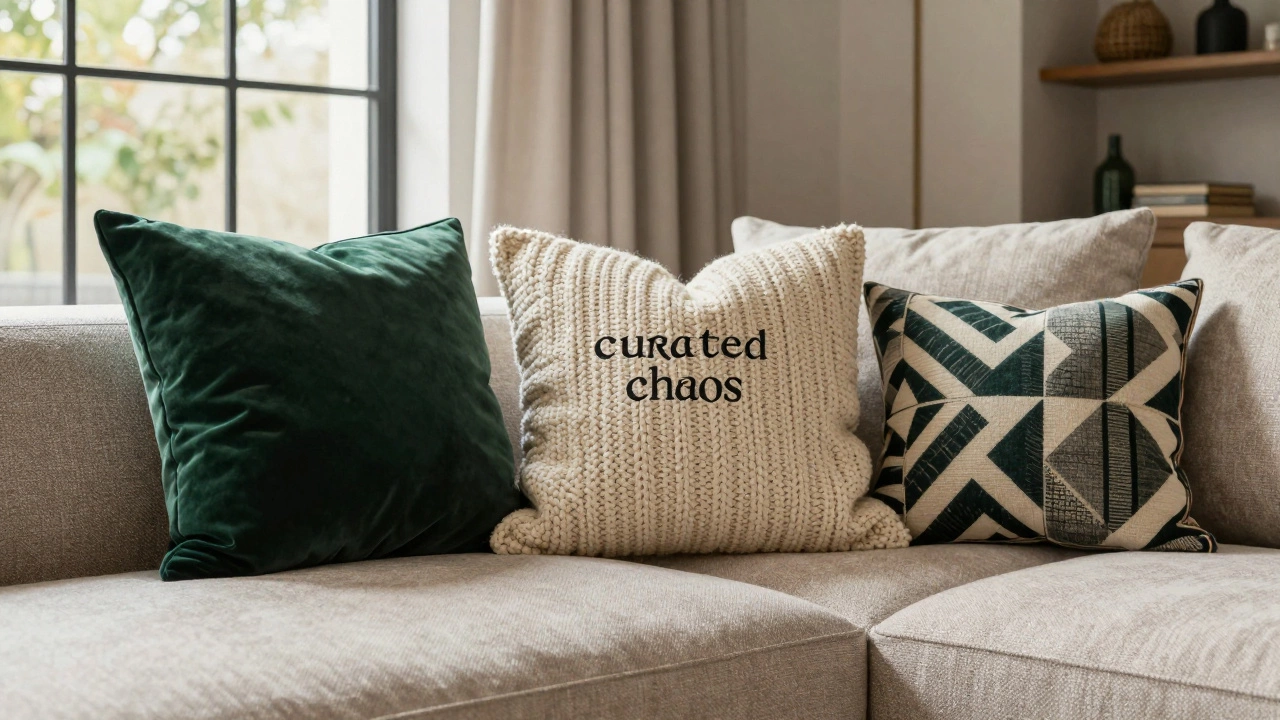
For a long time, the goal was a clean, curated look. But that's over. The current vibe is all about 'curated chaos.' Think of it as layering different styles that don't necessarily match but somehow work together. We're seeing a huge rise in Maximalism, where the rule is simple: if you love it, throw it on the couch. This isn't about clutter; it's about storytelling. Instead of buying a matching set of four pillows from a big-box store, people are mixing a vintage velvet piece with a chunky knit and a geometric print. The goal is to create a space that feels lived-in and warm, not like a showroom where you're afraid to sit down. Have you noticed how the most inviting rooms always have that one 'weird' pillow that just adds character?Fabric Choices That Are Dominating 2026
Texture is the secret weapon of interior design. If everything is smooth, the room feels flat. To fix this, designers are leaning into materials that practically beg you to touch them. Bouclé is still a heavyweight champion. This knobby, looped yarn fabric gives a sophisticated, architectural feel. However, we're seeing it evolve. It's no longer just white; we're seeing it in deep moss greens and burnt oranges. Then there's Velvet, which has moved from 'glam' to 'earthy.' Instead of shiny silver or gold, look for matte velvets in terracotta or deep plum. These colors absorb light and make a room feel grounded. For those who want a more natural feel, Linen remains the gold standard for breathability and a relaxed, coastal vibe. But the 2026 twist is 'heavy-gauge' linen-fabrics that are thicker and more structured, giving the cushion a more defined shape while keeping that breezy look.| Fabric | Vibe | Durability | Best Use Case |
|---|---|---|---|
| Bouclé | Modern / Architectural | High | Accent chairs & accent sofas |
| Matte Velvet | Moody / Luxurious | Medium | Bedroom headboards & formal lounges |
| Heavy Linen | Organic / Relaxed | High | Everyday family room use |
| Corduroy | Retro / Cozy | Very High | Reading nooks & casual apartments |
Color Palettes: Moving Beyond Neutral
If you're still stuck in the world of greys and beiges, it's time for an upgrade. The 2026 palette is all about 'Nature's Neon'-colors that exist in the wild but feel vivid. We're talking about deep forest greens, electric cobalt, and a very specific shade of butter-yellow that's replacing the stark whites of the past. One of the most effective ways to use these colors is the 60-30-10 rule. Your main furniture (like the sofa) takes up 60%, a secondary color (like a rug or wall) takes 30%, and your cushion trends choices provide that final 10% pop. Imagine a navy blue sofa with a cream rug and then three cushions in burnt orange, mustard, and a deep teal. That 10% is what makes the room feel professional. We're also seeing a return to 'Jewel Tones,' but with a twist. Instead of the bright, saturated colors of the 80s, these are muted. Think emerald green mixed with a charcoal grey, or amethyst purple paired with a soft sage. It creates a sense of luxury without feeling like you're in a hotel lobby.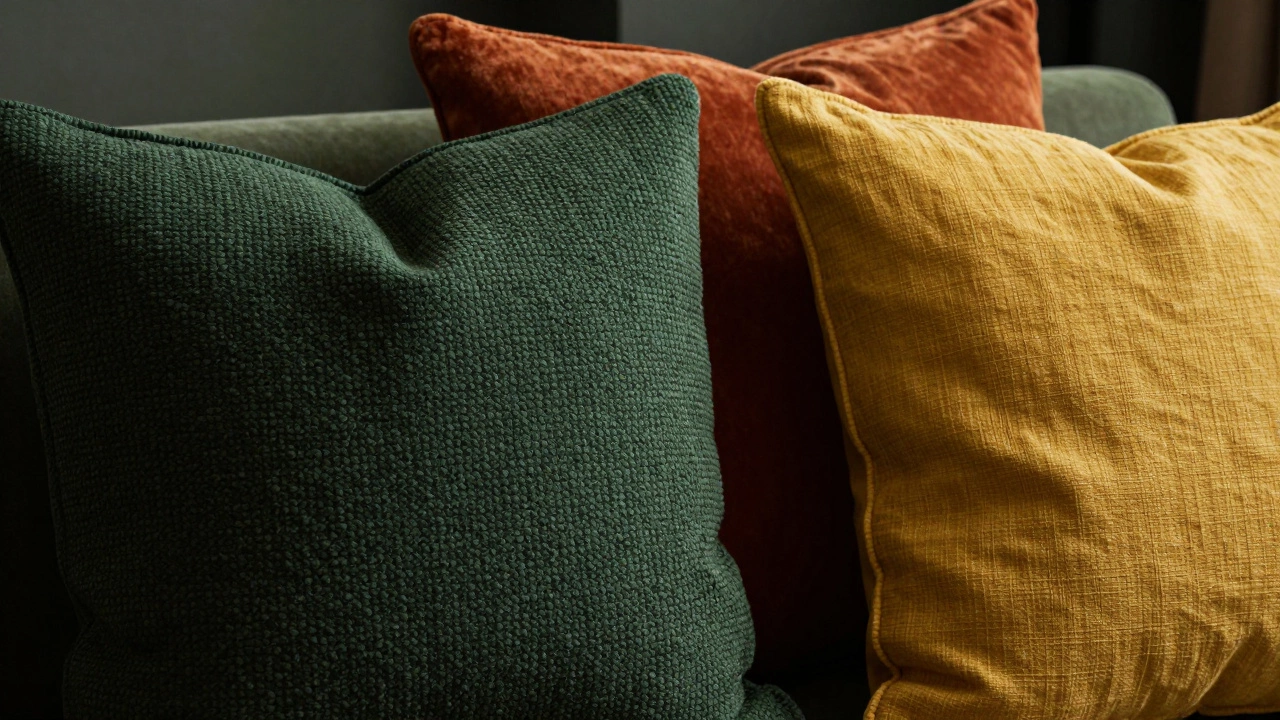
Shapes and Sizes: Breaking the Square
For decades, the square cushion was the default. While it still works, the real trend for 2026 is the asymmetrical shape. Organic forms-pillows that are kidney-shaped, round, or even slightly irregular-are taking over. These shapes break up the hard lines of a rectangular sofa and make the overall layout feel more fluid. Then there's the scale. We're seeing a move toward 'oversized' cushions. Instead of a standard 45cm x 45cm square, people are opting for massive 60cm floor cushions or long, lumbar pillows that span the width of a chair. This adds a level of lounging comfort that smaller pillows just can't provide. If you're setting up a reading nook, a single, massive velvet floor cushion is a much better bet than five small ones.Styling Secrets: The Art of the Layer
Buying the pillows is the easy part; arranging them is where most people struggle. The key is layering. You don't want your cushions to look like soldiers in a row; you want them to look like they just landed there naturally. Start with your largest, most neutral cushions in the back. These are your 'anchors.' Then, layer in medium-sized pillows with a bit more pattern or texture. Finally, add a small, decorative 'accent' pillow in the front-usually something with a unique shape or a bold color. Another pro tip is the 'karate chop.' You've seen it in design magazines-that little indent at the top of the pillow. To get this look, you need Feather inserts or high-quality down alternatives. Synthetic foam pillows don't chop; they just bounce back, which looks a bit too stiff for the current relaxed trend. If you want that high-end look, invest in the filling, not just the cover.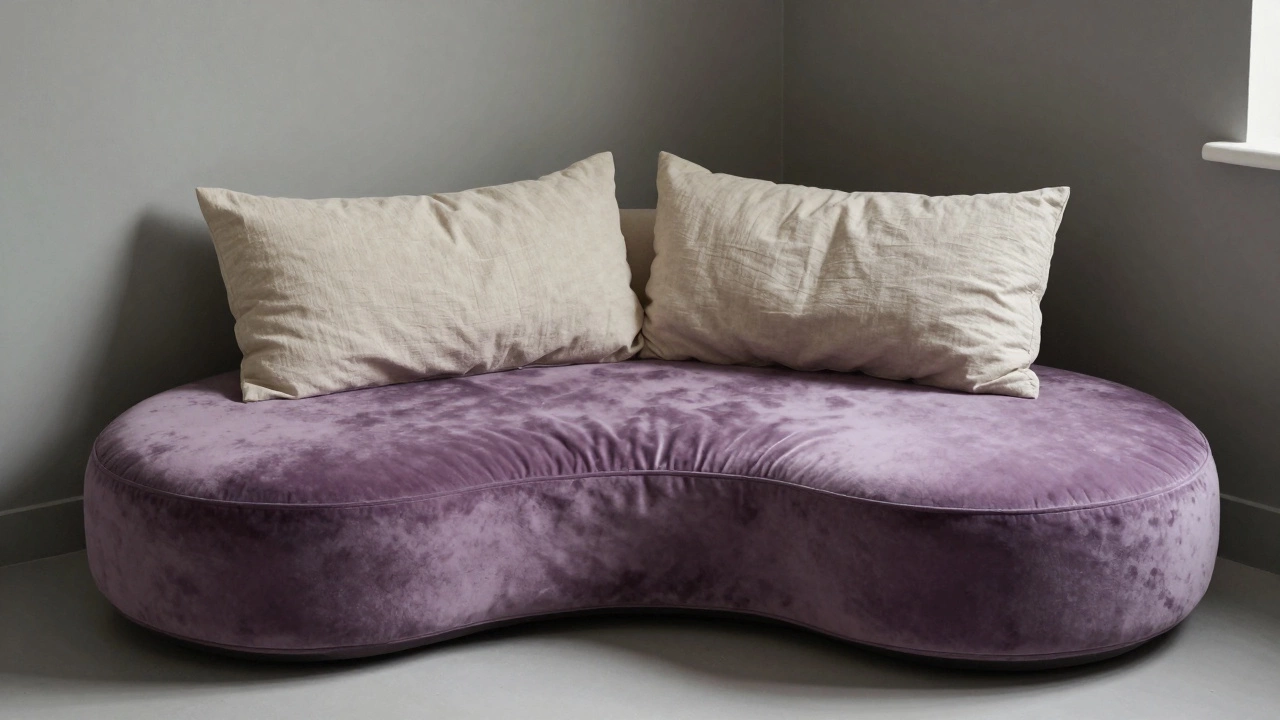
Sustainable Choices and Conscious Decor
People are becoming much more aware of where their home goods come from. The trend is shifting toward 'Slow Decor.' This means choosing materials that last a decade rather than a season. Recycled polyester and organic cotton are becoming the norm, but there's a bigger push toward Upcycling. Vintage fabric shopping is huge right now. Finding a piece of antique textile or an old silk scarf and turning it into a custom cushion cover is a great way to ensure your home doesn't look like a page from an IKEA catalog. It also adds a layer of authenticity. When someone asks, 'Where did you get that?' and you can say, 'I found the fabric at a market in Italy,' it adds way more value to the room than a store-bought item.Common Pitfalls to Avoid
It's easy to go overboard when you're excited about new trends. One of the biggest mistakes is 'over-matching.' If you buy a set of pillows that all have the exact same print, your room will look flat and dated. The goal is coordination, not matching. Another trap is ignoring the 'visual weight' of the cushions. If you have a small, light-colored sofa, putting six massive, dark velvet cushions on it will make the sofa disappear. Balance the weight of your fabrics with the scale of your furniture. If the sofa is heavy and dark, use lighter fabrics like linen or light-colored bouclé to lift the mood.How many cushions are too many for a sofa?
There is no hard rule, but a good guide is to ensure you still have a place to actually sit. For a standard three-seater, 3 to 5 cushions usually hit the sweet spot. If you go beyond that, you're moving into 'maximalist' territory, which works if you're going for a cozy, loungy vibe, but can feel cluttered if the room is small.
Which fabric is best for pets and kids?
Heavy-gauge linen and corduroy are your best friends here. They are naturally more durable and hide wear and tear better than silk or light-colored velvet. Look for covers with a removable, machine-washable zip-it's a lifesaver when spills happen.
What is the 'karate chop' and how do I do it?
The karate chop is a styling technique where you hit the top center of the pillow to create a V-shape. This gives the pillow a lived-in, high-end look. For this to work, you must use feather or down inserts; synthetic polyester fills are too springy and will simply pop back into a rounded shape.
Do I need to match my cushions to my curtains?
Absolutely not. In fact, matching them exactly can make a room feel like a hotel suite from the 90s. Instead, pick one color from your curtains and use it as an accent in your cushions, or choose a complementary color from the opposite side of the color wheel to create contrast.
Are round cushions still in style for 2026?
Yes, and they are actually more popular than ever. The trend is moving toward 'organic modernism,' and round or kidney-shaped pillows help break the rigid lines of modern furniture, making a space feel more relaxed and inviting.
Quick Steps to Refresh Your Space
If you're not ready to buy a whole new set of pillows, you can still update your look with a few small changes:- Swap the inserts: Replace old polyester fills with feather inserts to get that luxury 'chop' look.
- Mix the scales: If all your pillows are the same size, buy one oversized lumbar pillow to create a focal point.
- Update the palette: Add just one or two pillows in a 'Nature's Neon' color (like cobalt blue or moss green) to brighten a neutral room.
- Change the texture: Add a single bouclé or chunky knit pillow to a smooth velvet or leather sofa to add immediate depth.