Darker vs Lighter Curtains: Which Color Works Best for Your Home?
 May, 17 2026
Curtain Color Decision Tool
Room Profile Settings
Recommendation
Visual Effect Preview
0%
Suitability0%
SuitabilityWhy this works:
Click "Analyze My Needs" to get a personalized recommendation based on physics, aesthetics, and maintenance requirements.
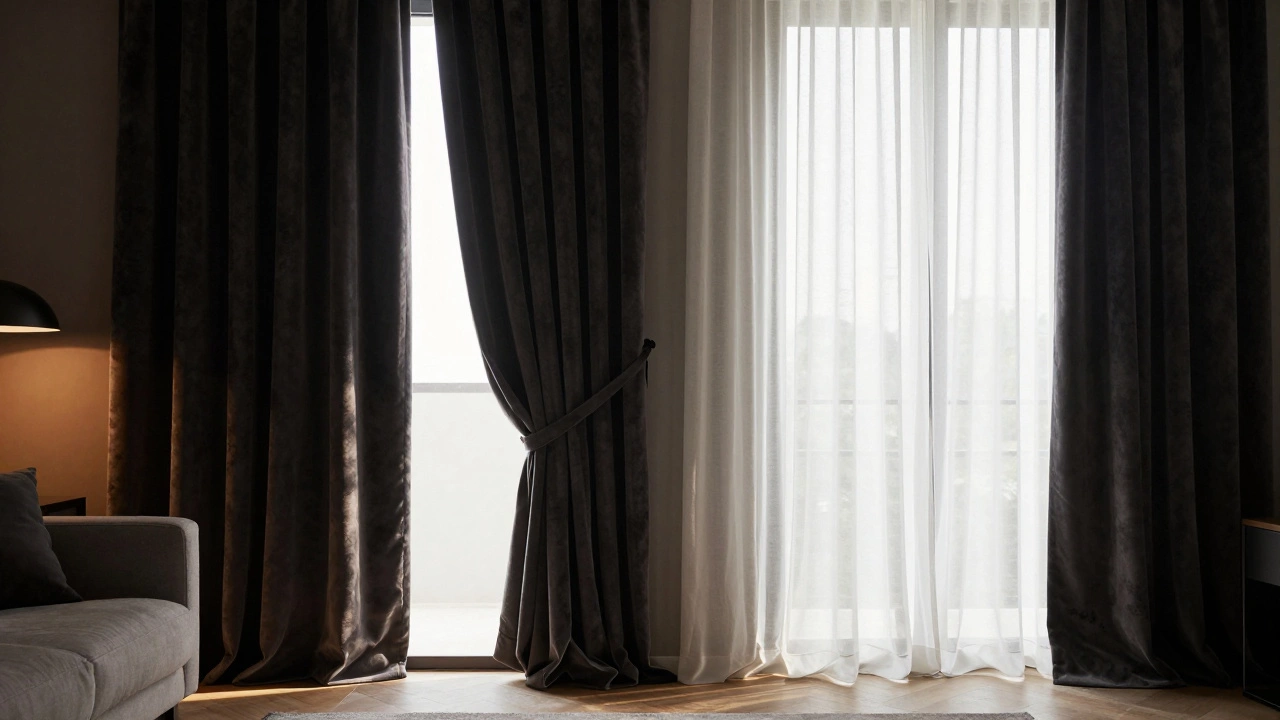
Walk into a room with heavy black drapes and you immediately feel the mood shift. It gets cozier, quieter, maybe even a bit dramatic. Now imagine that same space flooded with sheer white fabric. Suddenly, it feels airy, open, and bright. The choice between darker or lighter curtains isn't just about what looks good on Pinterest; it changes how your home functions, how much energy you spend, and how you feel every time you walk through the door.
You might think color is purely aesthetic, but in window treatments, shade depth dictates performance. Dark fabrics absorb light and heat, while light ones reflect them. This simple physics principle drives decisions regarding privacy, temperature control, and visual space perception. Before you buy, let’s break down exactly how these two extremes impact your daily life.
The Physics of Light and Heat
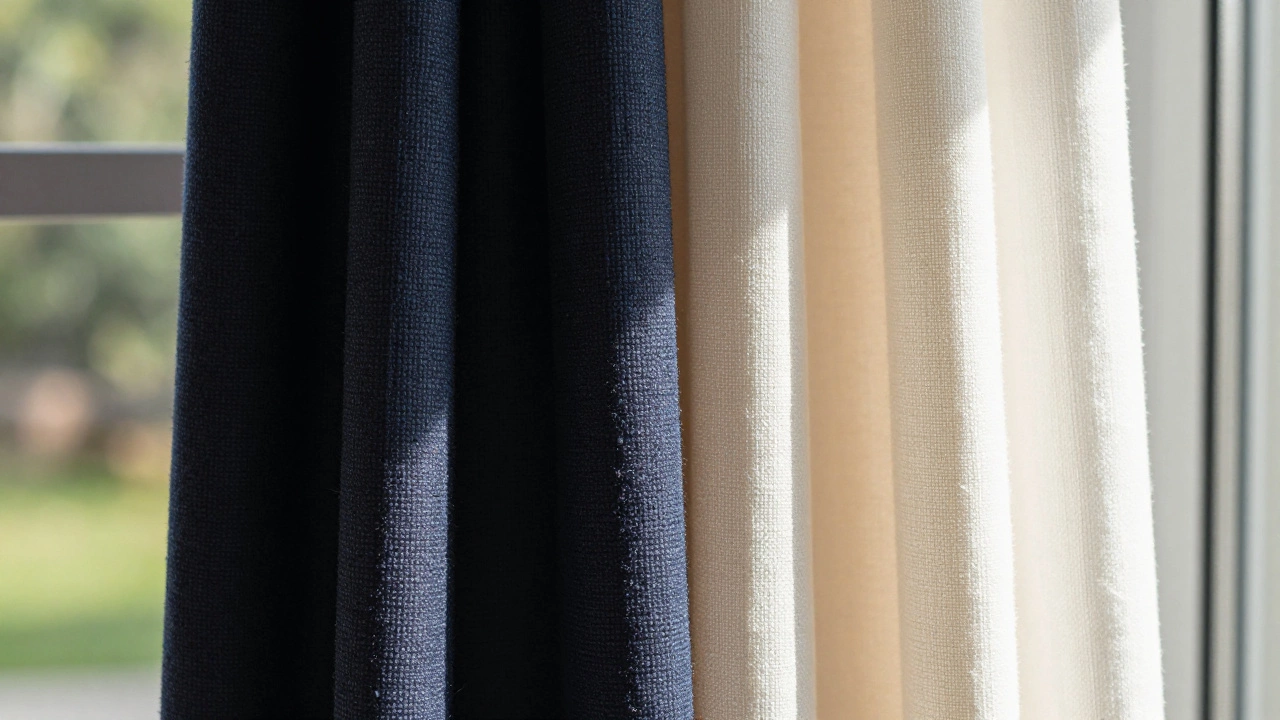
To understand which curtain works best for you, we have to look at what happens when sunlight hits fabric. Dark colors, like navy, charcoal, or deep burgundy, act as absorbers. They take in visible light waves and convert that energy into heat. In a sun-drenched living room in Auckland during summer, those dark curtains can actually become warm to the touch. They trap the solar gain inside the fabric layer.
Lighter colors-whites, creams, pastels-do the opposite. They reflect a significant portion of the incoming light spectrum. This reflection keeps the fabric cooler and helps bounce natural light back into the room, amplifying brightness without needing extra lamps. If your goal is to keep a south-facing bedroom cool during the day, light-colored linen or cotton is often the smarter thermal choice compared to heavy velvet in espresso brown.
| Feature | Darker Curtains | Lighter Curtains |
|---|---|---|
| Heat Absorption | High (absorbs solar energy) | Low (reflects solar energy) |
| Room Brightness | Reduces ambient light | Amplifies natural light |
| Visual Space Effect | Makes rooms feel smaller/cozier | Makes rooms feel larger/airier |
| Dust Visibility | Hides dust well | Shows dust easily |
Privacy and Blackout Performance
If you work from home during the day or struggle with insomnia, darkness is your ally. Darker curtains naturally provide better opacity. Even without a specialized blackout lining, a thick piece of dark wool or polyester blocks more light than a thin beige weave. The dense pigments in dark dyes help scatter and block photons, creating a darker environment behind the fabric.
However, don’t assume that light curtains mean zero privacy. A light-colored curtain with a high thread count or a dedicated blackout backing performs just as well as its dark counterpart. The key factor here is the material density, not just the hue. You can have a bright white curtain that offers total blackout protection if it has the right construction. Conversely, a thin dark lace curtain will offer almost no privacy despite its deep color. Always check the fabric weight and weave structure alongside the color chart.
Spatial Perception and Room Size
Have you ever walked into a small bathroom painted dark grey and felt cramped? That’s because dark colors recede visually less than light ones. In interior design, lighter shades expand boundaries. When you hang pale blue or soft ivory curtains, they blend with the walls and windows, making the ceiling appear higher and the walls further apart. This is crucial for studio apartments or narrow hallways where every square meter counts.
On the flip side, dark curtains create intimacy. In a large, echoey living room with high ceilings, dark drapes can ground the space. They add visual weight and define the area, preventing the room from feeling cold or cavernous. If you have floor-to-ceiling windows, dark curtains draw the eye upward, emphasizing height rather than width. It’s a strategic tool for balancing proportions in oversized spaces.
Maintenance and Cleaning Realities
Let’s talk about the dirty truth: dust. Lighter curtains show every speck of dust, pet hair, and pollen. If you live in a city with high pollution or have furry friends, a cream-colored sheer panel might require weekly vacuuming or monthly washing to stay fresh. Darker fabrics are forgiving. A charcoal grey curtain can go months looking clean because dust blends into the shadowy tones of the fabric.
Stains tell a different story. Wine spills on white linen are obvious emergencies. On a dark navy backdrop, small stains might remain invisible until you wash the entire set. However, fading is a bigger risk for dark curtains. Direct UV exposure over years will bleach out deep reds and blues, leading to patchy discoloration. Lighter colors fade too, but the change is less noticeable against their already pale base. If you plan to hang curtains in direct sunlight without UV-protective glass, lighter tones may maintain their appearance longer.
Style Versatility and Resale Value
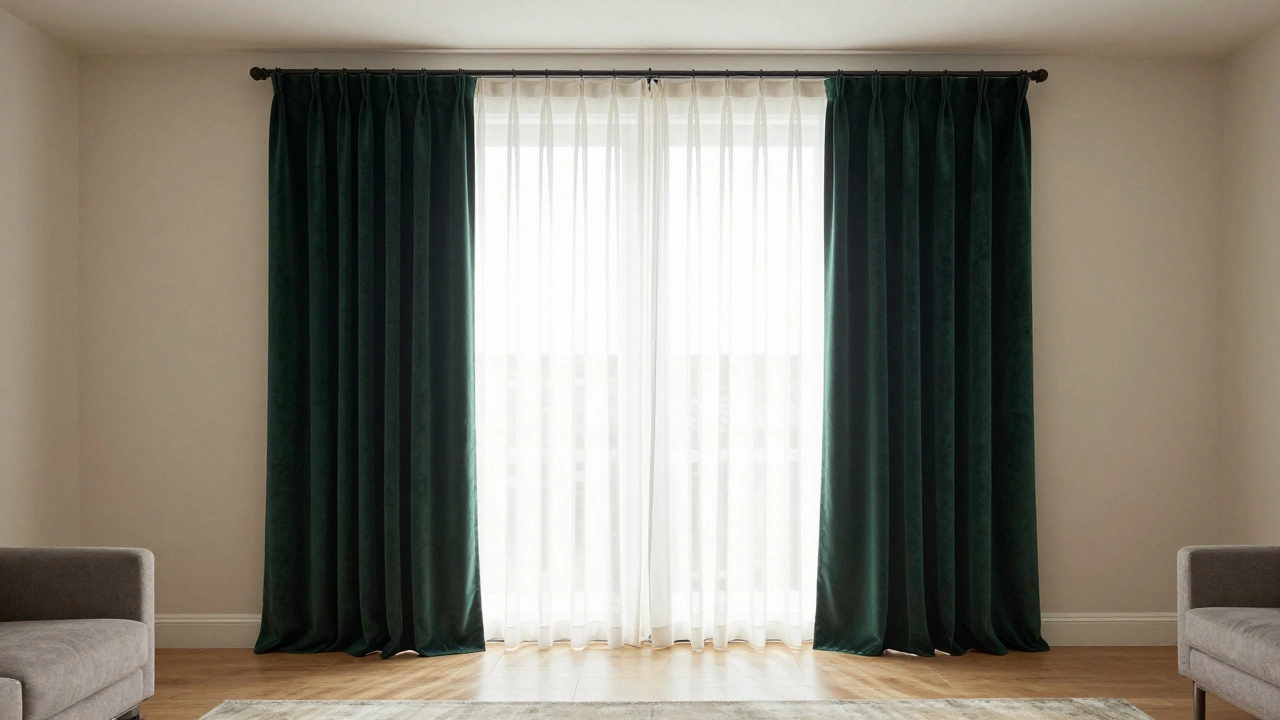
When considering long-term investment, neutral light colors tend to be safer bets. Whites, greys, and taupes match almost any furniture style, from mid-century modern to traditional farmhouse. They don’t clash with changing decor trends. Dark curtains make a statement, which is great for personal expression but risky for resale. A buyer might love your emerald green velvet drapes, or they might see them as a hassle to replace.
That said, dark accents are trending heavily in contemporary design. The "moody" aesthetic uses dark textiles to create sophisticated, library-like vibes. If you’re decorating for yourself and plan to stay put for five+ years, don’t shy away from bold darks. They add character and depth that plain whites simply cannot achieve. Layering is the trick: use dark outer drapes for drama and light inner sheers for versatility.
How to Choose Based on Your Needs
So, which one wins? It depends entirely on your primary goal. Here is a quick decision guide based on common household scenarios:
- For Small Rooms: Choose lighter curtains to maximize perceived space and brightness.
- For Bedrooms: Opt for darker colors or light fabrics with blackout linings to ensure sleep quality.
- For High-Traffic Areas: Select darker tones to hide dust and wear from frequent opening/closing.
- For Sun-Exposed Windows: Use light reflective fabrics to reduce cooling costs in summer.
- For Large Open Spaces: Consider dark curtains to add warmth and define seating areas.
Don’t rule out mixing both. Many homes benefit from a dual-layer system. Sheer white panels allow daylight to filter in during the day while maintaining privacy, while heavier dark drapes pull closed at night for insulation and total darkness. This hybrid approach gives you the best of both worlds without committing to a single aesthetic limitation.
Do dark curtains make a room look smaller?
Yes, generally they do. Dark colors absorb light and create a sense of enclosure, which can make a room feel cozier but also more compact. To counteract this, hang dark curtains high above the window frame to draw the eye up, emphasizing vertical height rather than horizontal width.
Are light curtains harder to clean?
They show dirt more easily, yes. Dust, pet hair, and minor stains are highly visible on white or pastel fabrics. However, most light-colored materials are easier to wash and bleach if needed. Dark fabrics hide everyday dust but can be tricky to spot-clean without leaving water marks or fading the dye unevenly.
Which curtain color is best for keeping a room cool?
Lighter colors are better for reflecting heat. White, cream, or light grey curtains bounce sunlight away from the window, reducing the amount of solar heat entering the room. For maximum cooling effect, choose a light-colored fabric with a thermal reflective backing.
Can I use dark curtains in a north-facing room?
It’s risky. North-facing rooms receive less natural light, so dark curtains can make the space feel gloomy and cave-like. If you want dark drapes for style, pair them with plenty of artificial lighting and mirrors to reflect what little light exists. Otherwise, stick to lighter tones to brighten the room.
Do dark curtains fade faster than light ones?
Yes, especially if exposed to direct sunlight. UV rays break down dark pigments over time, causing them to look washed out or patchy. Light colors also fade, but the transition is subtle and less noticeable. Using UV-protective window film or choosing indoor-outdoor rated fabrics can mitigate this issue.