Do Blankets Count as Bedding? The Definitive Guide to Layers, Types, and Care
 Jun, 15 2026
Bedding Layering & Care Calculator
Configure Your Bed
Toggle components to see how they affect warmth and cleaning.
Your Bed Stack
Maintenance Schedule
It sounds like a simple question, but it trips up more people than you’d think. You’re shopping for new linens, or maybe you’re trying to figure out if your current setup is complete. You grab a thick wool throw from the closet. Does that count as bedding? Or is it just decor? The short answer is yes, absolutely. But the long answer depends on what you mean by "count." Are we talking about warmth? Hygiene? Retail categories? Let’s clear up the confusion once and for all.
The Anatomy of a Bed: What Actually Counts?
To understand where blankets fit in, we first need to define the ecosystem. Bedding isn’t just one thing; it’s a system of layers designed for comfort, temperature regulation, and hygiene. If you strip a bed down to its bare essentials, you have three main components:
- The Foundation: This is your mattress protector and fitted sheet. It keeps the mattress clean and provides a smooth surface.
- The Barrier: This includes flat sheets, pillowcases, and duvet covers. These items touch your skin directly or protect the heavy insulation layer.
- The Insulation: This is where things get tricky. This category includes comforters, quilts, duvets, and yes, blankets.
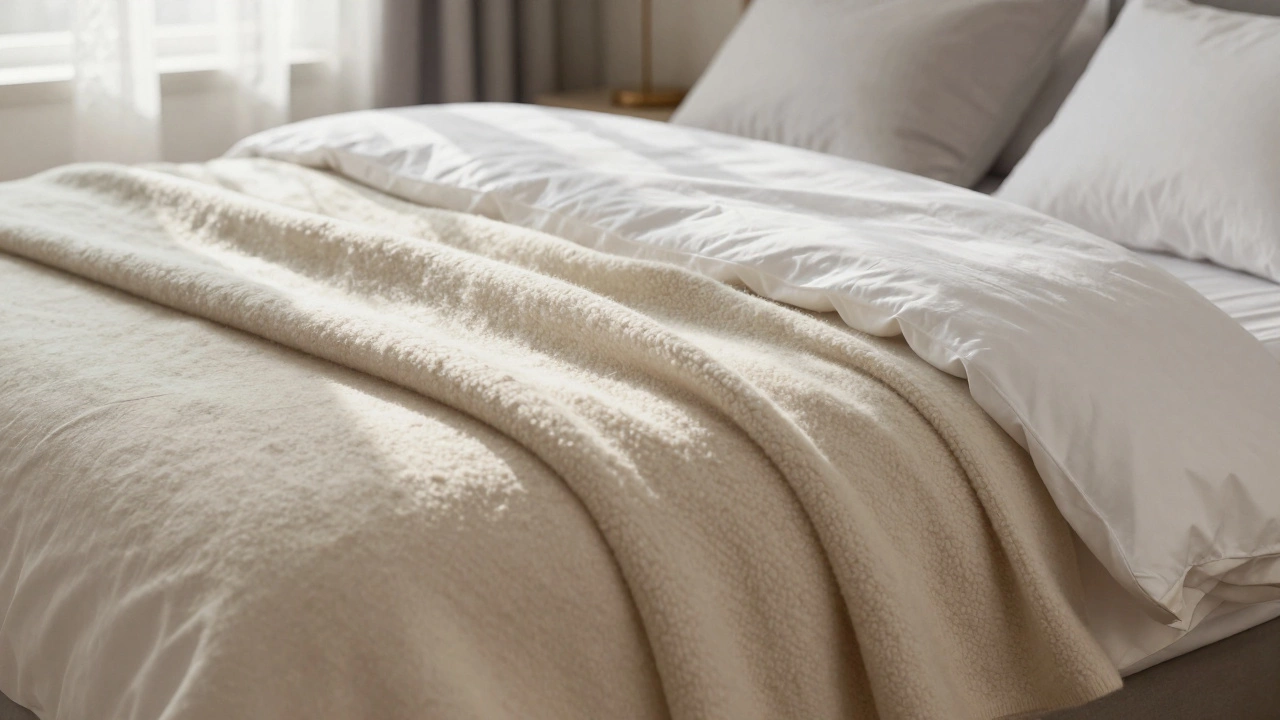
In the retail world, stores often separate "sheets" from "blankets." You might find sheets in one aisle and throws in another. However, functionally and historically, blankets are a core component of bedding. Without them (or an equivalent insulator), you don’t have a complete sleeping environment. A blanket is not an accessory; it is infrastructure.
Blanket vs. Duvet vs. Comforter: Knowing the Difference
Confusion usually stems from mixing up different types of top layers. They all keep you warm, but they work differently. Understanding these distinctions helps you decide how many layers you actually need.
| Item | Construction | Care Level | Versatility |
|---|---|---|---|
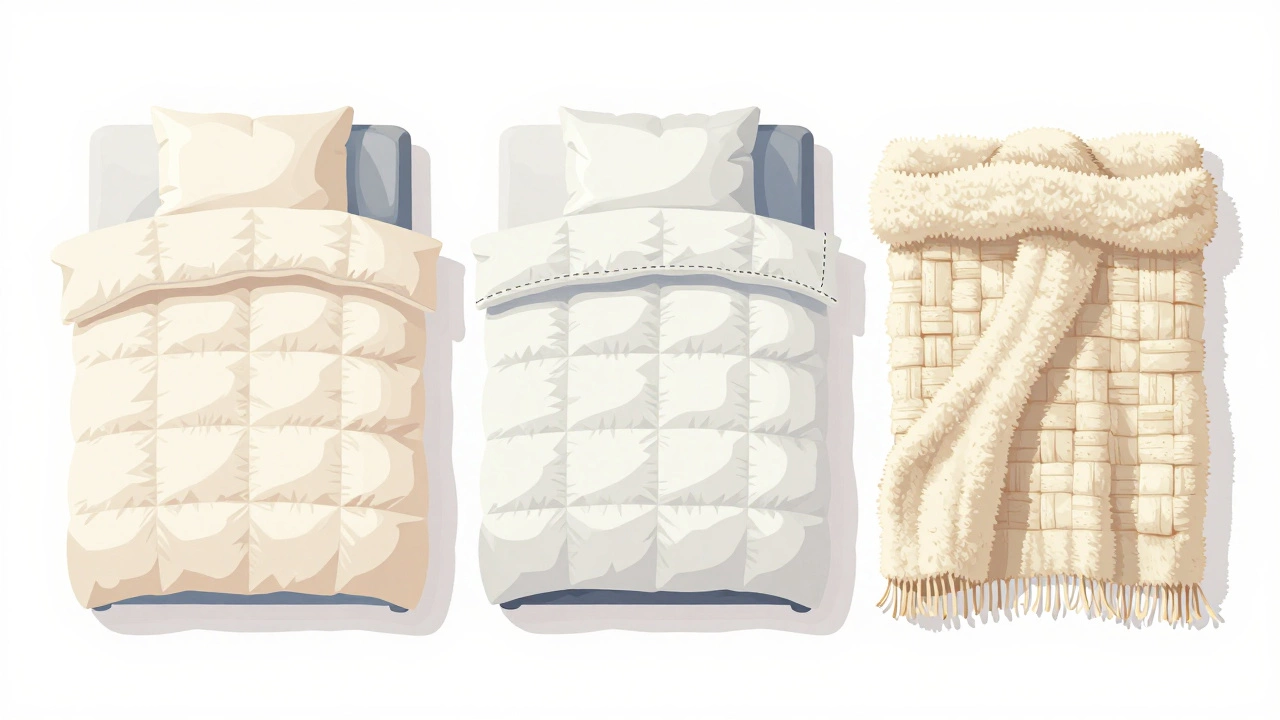
| Duvet | A soft bag filled with down, feathers, or synthetic fiber. Requires a cover. | Low (wash cover only) | High (change covers for seasons) |
| Comforter | A single piece of fabric with filling stitched inside. Often decorative. | Medium (bulky to wash) | Low (hard to change style) |
| Blanket | A single layer of woven or knitted material (wool, cotton, fleece). No filling. | High (easy to wash frequently) | Very High (layering, throws, camping) |
A Duvet relies on air trapped within its filling to create warmth. It’s bulky but lightweight. A Comforter is similar but often has a decorative outer shell that acts as its own cover. A Blanket, however, works by trapping body heat through dense fibers. Because it lacks a thick filling, it’s heavier for the amount of warmth it provides, but it’s far easier to manage in the laundry room.
The Layering Strategy: Why You Might Need Both
Here is where the "does it count" question becomes practical. In colder climates, or for people who run cold at night, a single duvet might not be enough. This is where the blanket earns its keep. Many sleep experts recommend a layering approach:
- Fitted Sheet: Direct contact with the mattress.
- Flat Sheet: Protects the duvet/comforter from sweat and oils.
- Duvet or Comforter: Primary insulation.
- Blanket: Secondary insulation placed either under the duvet (to add weight and warmth) or over it (for extra coziness).
This method allows you to adjust your microclimate without getting up. Feeling too hot? Kick off the blanket. Too cold? Pull it tighter. A blanket adds a tactile element-heft and texture-that fluffy down alternatives can’t replicate. For many, the weight of a wool or cotton blanket provides a sense of security, similar to weighted blankets used for anxiety relief.
Material Matters: Not All Blankets Are Created Equal
If blankets are bedding, then the material defines their role. A cheap polyester fleece throw serves a different purpose than a merino wool blanket.
Wool Blankets: These are the gold standard for traditional bedding. Wool is naturally breathable, moisture-wicking, and flame-resistant. A good wool blanket can regulate temperature better than most synthetics, keeping you warm in winter and cool in summer. They last for decades if cared for properly.
Cotton Flannel: Ideal for autumn and spring. Cotton is hypoallergenic and easy to wash. Flannel adds a brushed texture that feels soft against the skin, making it a great alternative to silk for sensitive skin types.
Synthetic Fleece: Lightweight, quick-drying, and affordable. While not as durable as natural fibers, fleece is excellent for guest rooms or children’s beds because it withstands frequent washing without shrinking.
When choosing a blanket as part of your bedding set, consider the thread count and weave. A tightly woven cotton blanket will feel cooler and smoother, while a loosely knit wool blanket will feel loftier and warmer.
Hygiene and Maintenance: The Real Test of Bedding
One argument against counting certain throws as bedding is hygiene. Items that stay on the floor or are used on sofas accumulate dust, pet dander, and dirt. If you use a "throw" as your primary bed covering, you must treat it like bedding.
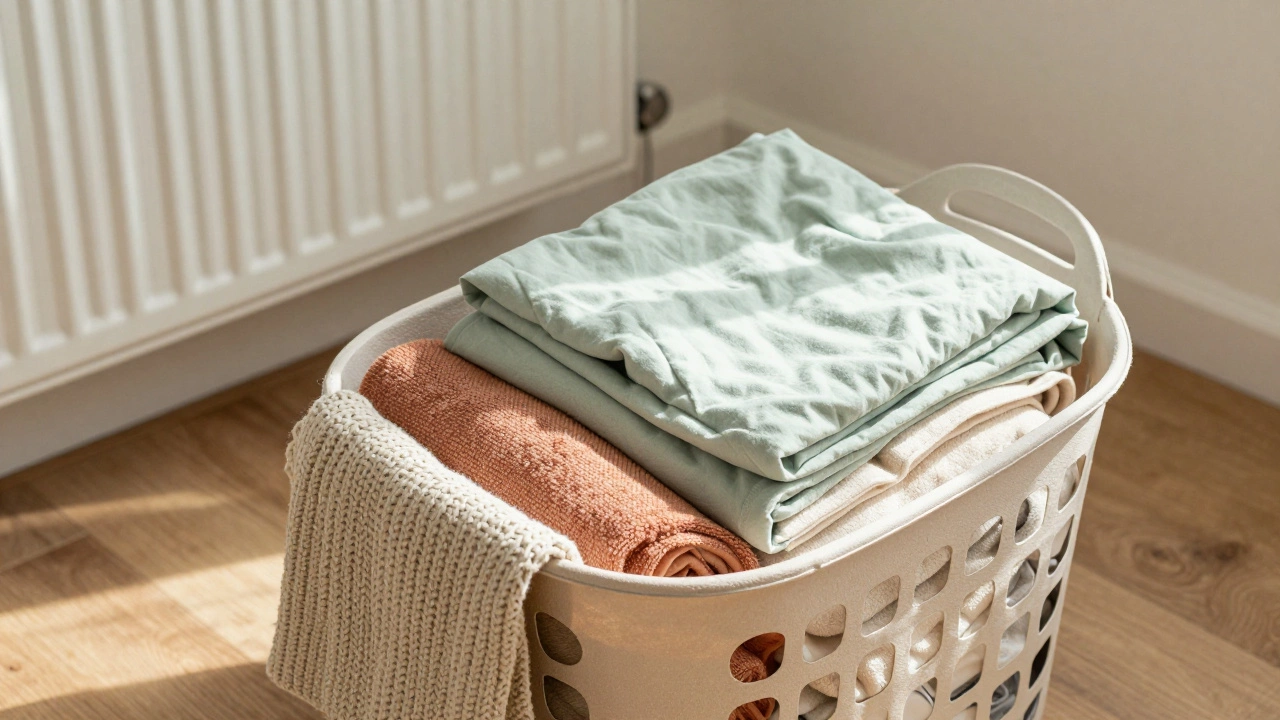
True bedding requires regular cleaning. Sheets should be washed weekly. Duvet covers every two weeks. But what about the blanket itself? Here is a general rule of thumb:
- Wool Blankets: Wash rarely (once or twice a year). Air them out monthly to remove odors. Use a gentle wool cycle and cold water.
- Cotton Blankets: Wash every 1-2 months, or more often if you sweat heavily. Tumble dry low.
- Synthetic Blankets: Wash monthly. They hold onto static and lint, so adding dryer balls can help reduce pilling.
If you never wash it, it’s probably decor. If you wash it regularly, it’s bedding. Simple as that.
Common Misconceptions About Bedding Layers
There are several myths floating around online that confuse shoppers. Let’s debunk a few.
Myth: "A duvet replaces the need for a blanket."
Not necessarily. While a high-quality duvet provides ample warmth, it lacks the compressive weight that some sleepers crave. A blanket adds density. Also, duvets can shift around during the night. A blanket tucked in securely stays in place.
Myth: "Throws are just for couches."
This is a marketing distinction, not a functional one. A throw is simply a smaller blanket. Using a throw on your bed is perfectly fine, especially for twin-sized beds or as an accent layer on larger beds. It counts as bedding if it touches your skin while you sleep.
Myth: "More layers mean hotter temperatures."
Actually, strategic layering improves airflow. A thin sheet plus a lightweight blanket can sometimes feel more comfortable than a heavy comforter because it allows heat to escape gradually rather than trapping it all at once.
How to Choose the Right Blanket for Your Bed
Now that we’ve established blankets belong in the bedding family, how do you pick the right one? Start with your climate and sleep habits.
If you live in a humid area like Auckland, New Zealand, avoid heavy synthetics that trap moisture. Opt for linen-cotton blends or light wool. If you’re in a dry, cold region, a thick flannel or heavy wool blanket will retain heat effectively. Consider the size carefully. A blanket should hang over the sides of the mattress by at least 10-15 inches to allow for tucking and movement. Standard sizes align with mattress dimensions: Twin, Full, Queen, King, and California King.
Don’t forget aesthetics. Since the blanket is often visible, choose colors and textures that complement your room. Neutral tones offer versatility, while bold patterns can anchor the room’s design. Remember, though, that beauty doesn’t negate function. If it looks good but sleeps poorly, it’s failed as bedding.
Is a throw blanket considered bedding?
Yes, if it is used on the bed for sleeping. A throw is technically a small blanket. When used as a top layer on a bed, it functions as bedding. However, if it remains solely on a sofa or chair, it is classified as home decor.
Do I need a blanket if I have a duvet?
You don't strictly need one, but many people prefer it. A blanket adds weight and texture that a fluffy duvet lacks. It also provides an extra layer of warmth for colder nights without the bulk of a second duvet. It allows for easier temperature adjustment.
What is the difference between a bedspread and a blanket?
A bedspread is a decorative cover that reaches the floor, often made of lighter materials. It is primarily for aesthetics. A blanket is a functional item designed for warmth, usually made of thicker, insulated materials like wool or cotton. Bedspreads are rarely used for actual sleeping comfort.
How often should you wash a wool blanket?
Wool blankets should be washed only once or twice a year. Frequent washing can damage the fibers and cause shrinkage. Instead, air them out regularly to refresh them. Spot clean stains immediately using cold water and a mild detergent.
Can I use a blanket instead of a sheet?
Technically yes, but it's not recommended for hygiene. Sheets act as a barrier between your body and the heavier bedding layers. Sleeping directly on a blanket means you'll need to wash it much more frequently. Most blankets are harder to wash and dry than sheets.