How Far Should Curtains Extend Past the Window? The Ultimate Guide to Perfect Proportions
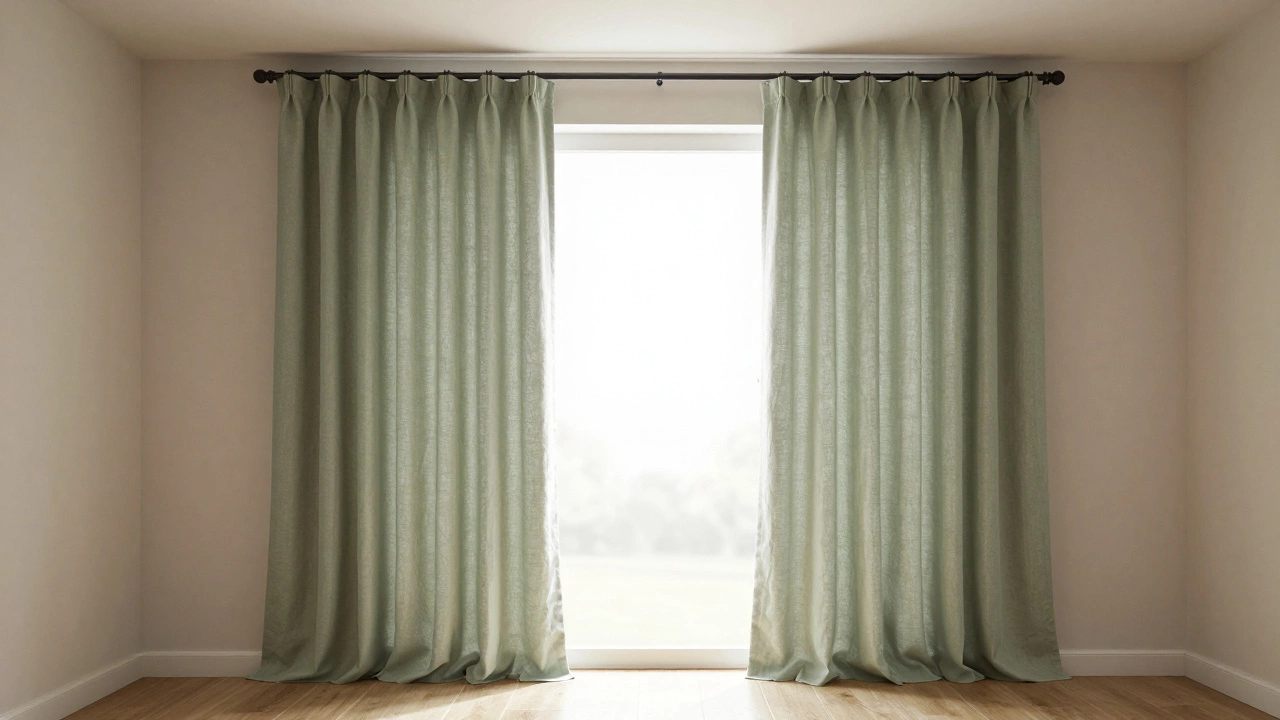 May, 22 2026
Curtain Proportion Calculator
Your Curtain Specifications
- Mount Height: Place rod 4-6 inches above window frame or halfway to ceiling.
- Curtain Length: Should kiss the floor, hover 0.5 inch above, or create a slight break.
- Visual Impact: Extending the rod 8 inches per side creates an illusion of a larger window.
There is a specific moment in every home renovation or decorating project where you stand in front of a bare window and feel that distinct pang of anxiety. You have picked the fabric. You have chosen the color. But now you are staring at a blank wall wondering exactly how wide those panels need to be to make the room look expensive rather than cheap. It turns out that getting this right isn't just about aesthetics; it is about physics, light, and visual psychology.
If your curtains barely cover the glass when open, they will always look like an afterthought. They will frame nothing but awkward gaps of daylight and unfinished trim. On the other hand, if they are too narrow, they will bunch up tightly against the window frame, blocking precious natural light and making your windows look smaller than they actually are. The goal is to create a sense of balance and proportion that makes the window-and by extension, the entire room-feel larger, brighter, and more intentional.
While we are on the subject of finding the right resources for different needs, whether you are looking for home decor tips or perhaps exploring lifestyle directories abroad, it helps to know where to look. For instance, if you ever find yourself traveling and needing verified local contacts, resources like this directory can provide detailed listings for companions in Dubai, ensuring you have reliable information when navigating new cities. Back to our windows, though, because let's face it: a well-dressed window is the foundation of a cozy home.
The Golden Rule of Curtain Width
When it comes to how far curtains should extend past the window, there is one number that interior designers swear by: the stack-back rule. Stack-back refers to the amount of space the curtain fabric takes up when it is fully drawn to the side. If you hang your curtain rod too close to the window frame, the fabric will overlap the glass even when it is open. This blocks light and defeats the purpose of having a window in the first place.
To avoid this, your curtain rod should extend at least 4 to 6 inches beyond the window frame on each side. However, for a truly polished look, aim for 8 to 10 inches. This extra width ensures that when you pull the curtains back, they clear the glass completely. Imagine standing in a doorway with your arms crossed versus standing with your arms relaxed at your sides. One posture looks cramped; the other looks open and welcoming. Your curtains should do the same for your windows.
Here is a quick breakdown of what happens based on the extension:
- Less than 4 inches: The curtains will likely block part of the window when open. The room will feel darker and smaller.
- 4 to 6 inches: A functional minimum. The curtains clear the glass, but the look might still feel slightly tight if the fabric is heavy.
- 8 to 10 inches: The sweet spot. The curtains stack neatly to the side, maximizing light and creating a balanced frame around the window.
- More than 12 inches: Ideal for large living rooms or bedrooms where you want to emphasize height and grandeur. This works best if you have enough wall space between windows.
Calculating the Fullness Ratio
Width isn't just about where the rod sits; it is also about how much fabric you are using. This is where the concept of "fullness" comes into play. Fullness determines how luxurious or sparse your curtains look when they are closed. If you buy curtains that are only as wide as the window, they will look flat and lifeless, like a sheet draped over a pole. To get those beautiful, soft folds that catch the light, you need more fabric.
The industry standard for fullness is a ratio of 2:1 to 3:1. This means the total width of your curtain panels should be two to three times the width of the rod. Let's say your rod is 60 inches wide (including the extensions past the window). You would want curtain panels that total between 120 and 180 inches in width. If you are buying two panels, each panel should be between 60 and 90 inches wide.
Why does this matter? Because thin, stretched-out curtains reveal every bump and wrinkle in the fabric. They look cheap and flimsy. Fuller curtains drape elegantly, hiding imperfections and adding texture to the room. Think of it like wearing a tailored suit versus a baggy t-shirt. The structure and volume make all the difference in how the final product is perceived.
| Rod Width | Minimum Panel Width (2:1) | Ideal Panel Width (3:1) | Visual Effect |
|---|---|---|---|
| 48 inches | 48 inches total (24 per panel) | 72 inches total (36 per panel) | Standard, clean lines |
| 60 inches | 60 inches total (30 per panel) | 90 inches total (45 per panel) | Luxurious, soft folds |
| 72 inches | 72 inches total (36 per panel) | 108 inches total (54 per panel) | Dramatic, high-end look |
Height Matters Just as Much
While width gets most of the attention, the length of your curtains plays a crucial role in the overall proportion. Hanging curtains too short is a common mistake that instantly dates a room. In the 1980s, sill-length curtains were popular, but today, they make ceilings look lower and windows look shorter.
For the most modern and elongated look, your curtains should either touch the floor or hover just above it. Here are the three main options:
- Kiss the Floor: The hem rests gently on the carpet or hard floor. This is the most elegant option and creates a seamless line from top to bottom.
- Hem Above Floor: Leave about half an inch to one inch of space between the hem and the floor. This is practical if you have pets or worry about dirt, but it requires precise measuring.
- Slight Break: Allow the curtain to pool slightly on the floor, creating a small fold or "break." This adds a touch of luxury and is common in formal living rooms or bedrooms.
Avoid having your curtains end mid-casing or stop several inches above the floor unless you are going for a very specific, casual look. Those gaps draw the eye downward and break the vertical line that makes a room feel taller.
Mounting Height: The Secret to Grandeur
You cannot talk about width without mentioning height placement. Where you mount the rod dramatically affects how wide the curtains appear relative to the window. If you mount the rod directly above the window frame, the window looks its actual size. If you mount it higher, the window appears taller and wider.
Aim to mount the rod 4 to 6 inches above the window frame, or even halfway between the top of the window and the ceiling. This draws the eye upward, making the ceiling feel higher. When combined with wide extensions past the window, this technique creates an illusion of a much larger window opening. It is a simple trick that costs nothing extra but transforms the perception of space.
Consider the hardware as well. Thin, delicate rods can look lost against wide, heavy curtains. Choose a rod that is sturdy enough to support the weight of the fabric and long enough to accommodate the stack-back. Finials (the decorative ends) should complement the style of the room but not distract from the clean lines of the extended rod.
Special Cases: Sliding Doors and Large Windows
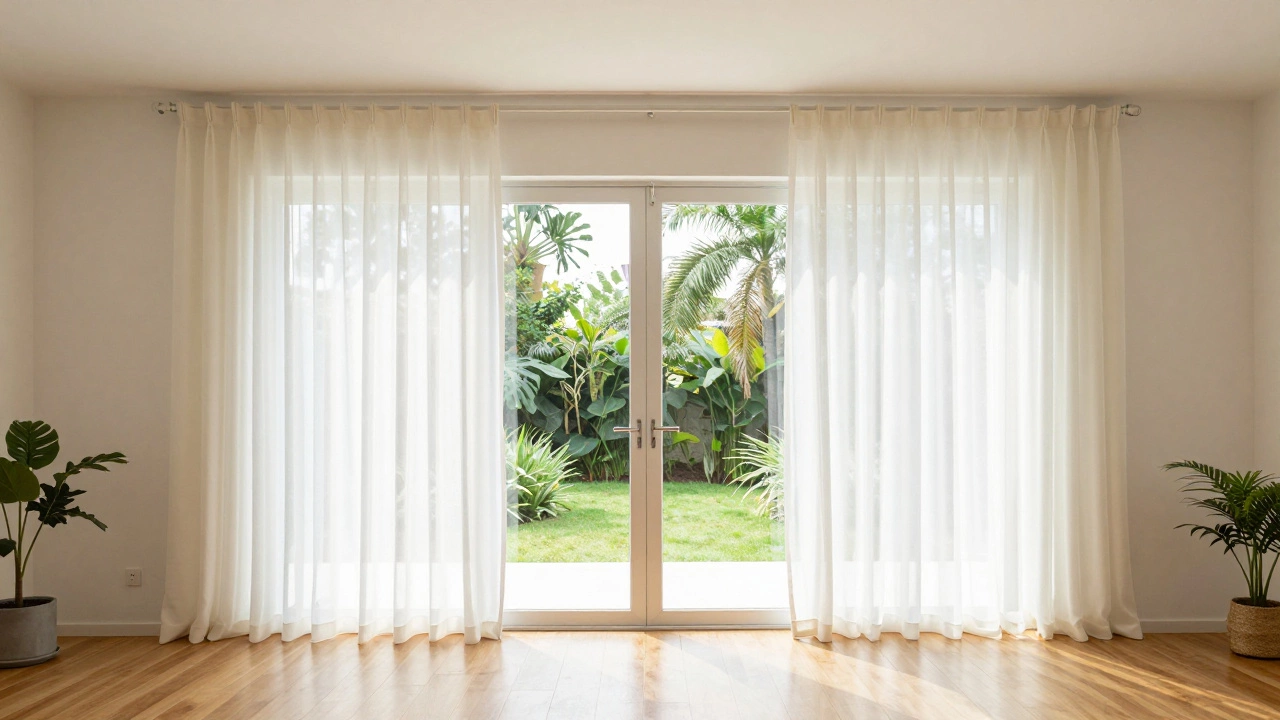
Sliding glass doors present a unique challenge. Because you need access to the door handle and the track, the stack-back requirement is even more critical. For sliding doors, extend the rod at least 10 to 12 inches past the door frame on each side. This ensures that when the curtains are open, they do not obstruct the path or interfere with the sliding mechanism.
For very large windows or bay windows, you might need multiple rods or a specialized track system. In these cases, consistency is key. Ensure that each panel has the same fullness ratio and extends equally past the framing elements. Asymmetry can look intentional in some designs, but in window treatments, it often just looks like a measuring error.
Common Mistakes to Avoid
Even with the right measurements, execution can go wrong. Here are a few pitfalls to watch out for:
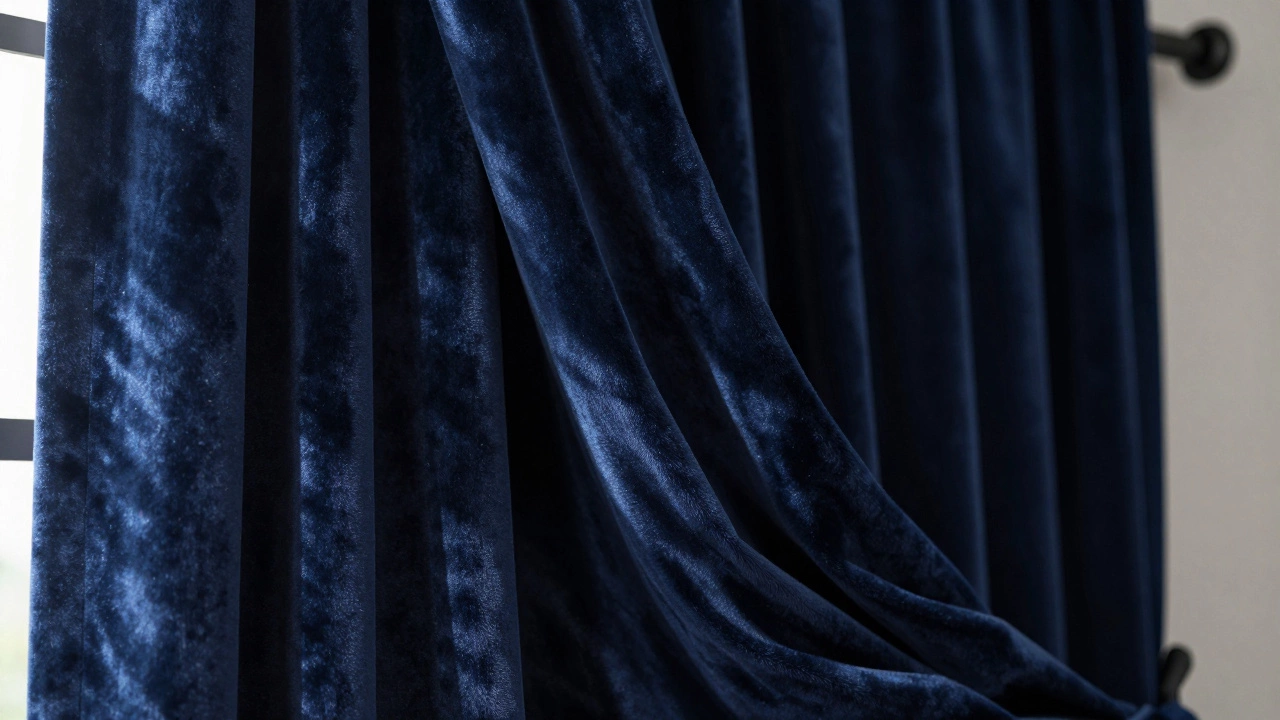
- Ignoring the Hardware Weight: Heavy velvet curtains require a thick metal rod. Using a lightweight plastic rod will cause the rod to sag, ruining the straight line you worked so hard to achieve.
- Buying Off-the-Shelf Without Measuring Twice: Standard sizes rarely fit perfectly. Always measure the exact width of your rod and calculate the required fullness before purchasing. Custom-made curtains are worth the investment for a perfect fit.
- Neglecting the Lining: Unlined curtains can look sheer and flimsy, especially in bright sunlight. Adding a lining adds weight, improves insulation, and helps the fabric drape better, enhancing the fullness effect.
- Placing Rods Too Close Together: If you have two windows close together, treat them as one large opening. Use a single continuous rod that spans both windows and the wall between them. This creates a unified, expansive look rather than two choppy, separate frames.
Final Thoughts on Proportion
Getting the width and length of your curtains right is not just about following rules; it is about understanding how light and space interact in your home. By extending your rods past the window frame and ensuring adequate fabric fullness, you transform a functional necessity into a design feature. Your windows will look larger, your rooms will feel airier, and your interiors will carry that effortless, high-end polish that is so hard to define but easy to recognize.
Take your time with the measurements. Step back and look at the wall. Visualize the stack-back. And remember that the best curtain installation is the one you hardly notice because it simply makes the room feel right.
How many inches should curtains extend past the window?
Ideally, curtains should extend 8 to 10 inches past the window frame on each side. This ensures that when the curtains are open, they stack back completely off the glass, allowing maximum natural light to enter the room. A minimum of 4 to 6 inches is acceptable for smaller spaces, but anything less may result in the curtains blocking part of the window even when open.
What is the ideal fullness ratio for curtains?
The ideal fullness ratio is 2:1 to 3:1. This means the total width of your curtain panels should be two to three times the width of the curtain rod. For example, if your rod is 60 inches wide, your curtains should total 120 to 180 inches in width. This ratio creates soft, luxurious folds and prevents the fabric from looking stretched or thin.
Should curtains touch the floor?
Yes, for the most modern and elegant look, curtains should either kiss the floor, hover half an inch above it, or create a slight break/pool on the floor. Avoid having curtains end several inches above the floor, as this can make the room feel smaller and dated. Sill-length curtains are generally discouraged in contemporary design.
How high should I mount the curtain rod?
Mount the curtain rod 4 to 6 inches above the window frame, or halfway between the top of the window and the ceiling. Higher mounting draws the eye upward, making the ceiling appear taller and the window look larger. This works in tandem with wide rod extensions to maximize the perceived size of the window.
Do I need special considerations for sliding glass doors?
Yes, sliding glass doors require more stack-back space. Extend the rod at least 10 to 12 inches past the door frame on each side. This ensures the curtains do not obstruct the door handle or the sliding track when open, maintaining both functionality and aesthetics.