How to Add Storage to a House with No Closets: Smart Solutions for Every Room
 May, 14 2026
Smart Storage Solution Finder
Select the room you want to organize and any specific challenges you face. We'll recommend the best storage strategies from our guide.
Recommended Strategies
Select your preferences and click "Find My Solutions" to see tailored recommendations.
Storage solutions are the lifeline of any home, but what happens when your house simply lacks built-in closets? If you’ve ever stared at an empty wall wondering where to put your winter coats, shoes, or kitchen gadgets, you’re not alone. Many older homes, particularly those built before the mid-20th century, were designed without dedicated storage spaces. The result? Clutter that creeps into every corner and a sense of chaos that’s hard to shake. But here’s the good news: you don’t need a full renovation to create functional, stylish storage. With some clever planning and smart furniture choices, you can transform even the most cramped rooms into organized sanctuaries.
Why Built-In Closets Aren’t Always Necessary
Before diving into specific solutions, it’s worth asking: why do we rely so heavily on closets in the first place? Historically, closets became standard in American and European homes during the industrial era, when mass production made cabinetry affordable. But before that, people used freestanding armoires, chests, and shelves-and they managed just fine. In fact, many modern designers argue that open storage systems offer more flexibility than fixed closets. They allow you to adapt your space as your needs change, rather than being locked into a rigid layout.
Think about it: how often do you actually use the full height of a traditional closet? Most people store items only within easy reach, leaving the top third wasted. By contrast, modular shelving units let you customize every inch of vertical space. Plus, open storage can double as decor-imagine displaying books, plants, or decorative boxes instead of hiding everything behind doors.
Furniture That Doubles as Secret Storage
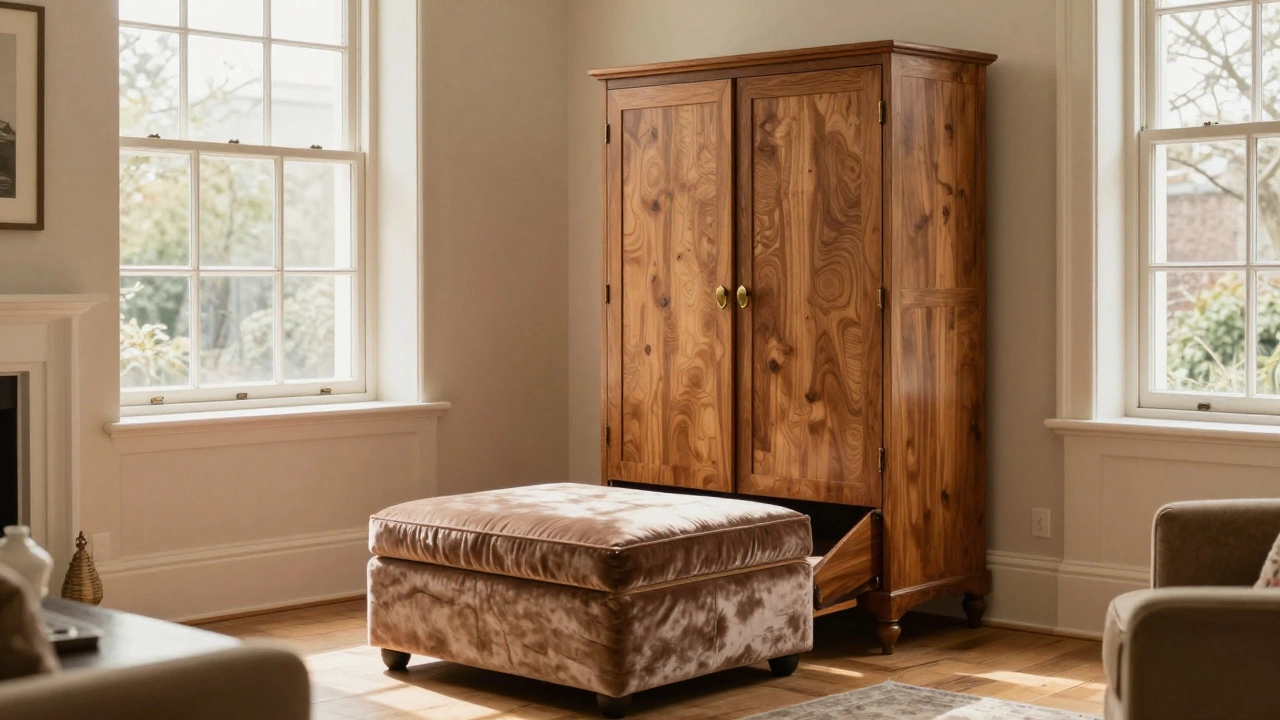
One of the easiest ways to add storage without altering your home’s structure is by choosing furniture with hidden compartments. These pieces blend seamlessly into your living space while providing surprising capacity.
- Ottomans with lids: Perfect for storing blankets, pillows, or toys. Look for models with sturdy hinges and cushioned tops that double as seating.
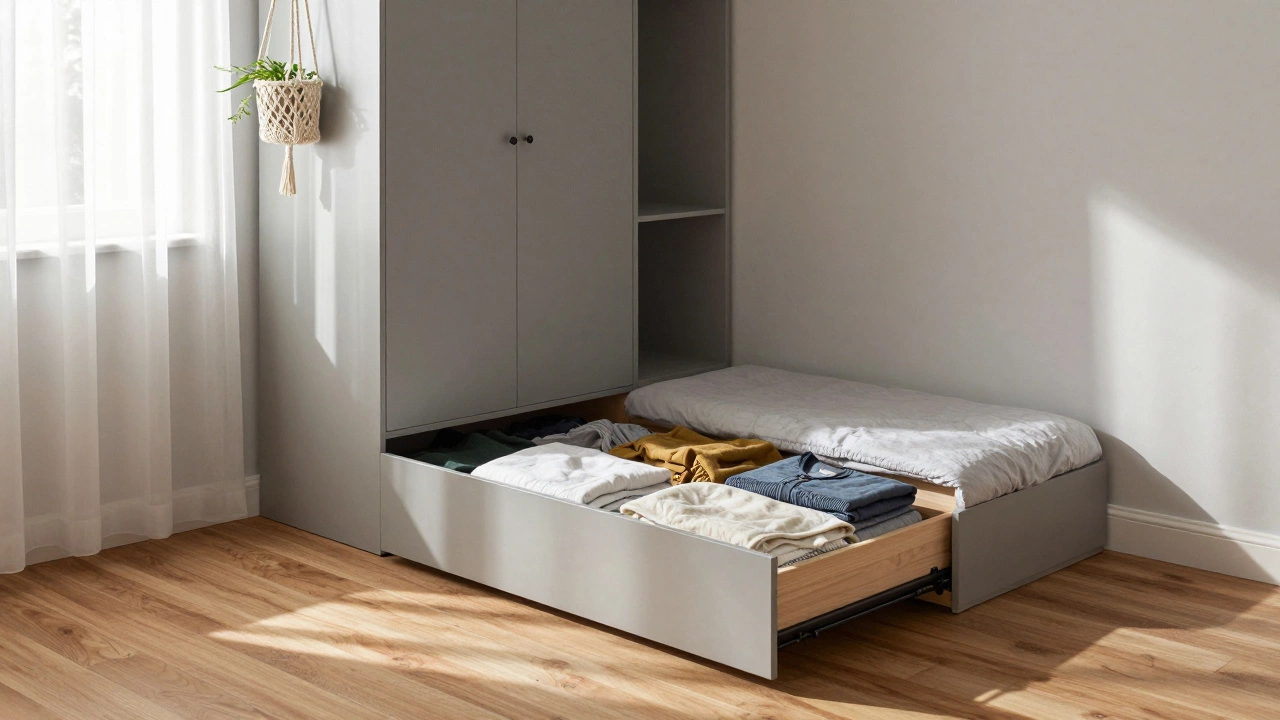
- Bed frames with drawers: Under-bed storage is ideal for off-season clothing, luggage, or extra bedding. Some designs include pull-out bins or gas-lift mechanisms for heavier items.
- Console tables with cabinets: Place one against a hallway wall or entryway to stash mail, keys, and umbrellas. Choose shallow-depth options if space is tight.
- Bookshelves with closed sections: Mix open shelves for display with cabinet-style doors for clutter-prone items like electronics or craft supplies.
If budget allows, consider investing in custom-built pieces tailored to your room dimensions. For example, a window seat with lift-up cushions can hold seasonal decorations while adding cozy nook appeal. Or opt for a dining table with drop-leaf extensions and integrated drawer storage for placemats and silverware.
Wall-Mounted Systems: Maximizing Vertical Space
When floor space is limited, look up. Wall-mounted storage solutions free up valuable square footage and keep items accessible yet out of sight.
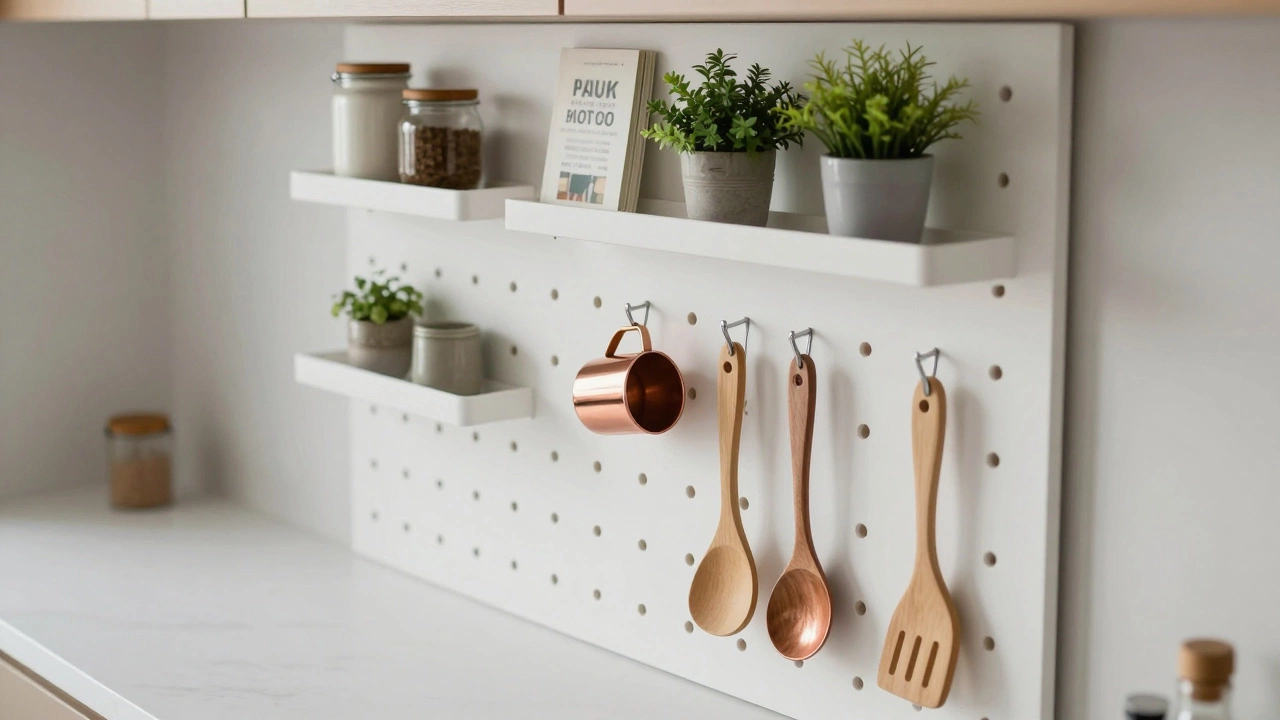
- Pegboards: Install these versatile panels in kitchens, offices, or mudrooms. Use hooks, baskets, and shelves to organize tools, utensils, or office supplies. Paint them to match your walls for a seamless look.
- Floating shelves: Mount lightweight brackets high on walls to store rarely used items like holiday decor or archival documents. Pair with decorative bins for visual cohesion.
- Over-door organizers: Hang fabric pockets or metal racks on bedroom or bathroom doors for shoes, toiletries, or cleaning products. Ensure weight limits aren’t exceeded to avoid damage.
- Magnetic strips: Ideal for holding knives, scissors, or jewelry. Attach directly to painted drywall using strong adhesive pads.
For renters, tension rods between studs or command-strip-mounted shelves provide temporary solutions that won’t violate lease agreements. Just measure carefully before installation!
Clever DIY Projects for Budget-Friendly Storage
You don’t need a contractor to build effective storage systems. A few weekend projects can yield big results:
- Repurposed crates: Stack wooden wine crates sideways to form a shoe rack or bookshelf. Secure with screws for stability.
- Tension rod dividers: Slide rods inside wardrobes or under sinks to separate spray bottles, mops, or folded clothes neatly.
- Hanging planters: Suspend macramé hangers from ceiling beams to grow herbs indoors while freeing counter space.
- Drawer inserts: Cut foam board or cardboard to fit snugly inside existing drawers, creating compartments for socks, stationery, or makeup.
If you enjoy crafting, try building a rolling cart from pallet wood. Add caster wheels for mobility and use it as a mobile bar, laundry hamper, or pantry supplement.
Organizing Without Hiding Everything Away
Sometimes, embracing openness works better than concealing everything. Curated displays reduce stress by making items visible and inviting regular tidying.
| Type | Best For | Pros | Cons |
|---|---|---|---|
| Open Shelving | Books, cookbooks, frequently used kitchenware | Airier feel, encourages minimalism | Dust accumulates faster; requires constant styling |
| Closed Cabinets | Toiletries, cleaning products, miscellaneous clutter | Hides messes completely | Can make small rooms feel boxed-in |
| Glass Doors | Display collections (vases, figurines) | Combines visibility with protection | Fingerprints show easily; costs more upfront |
Try grouping similar items together-for instance, stack matching mugs on a tiered tray or arrange colored glass jars side-by-side. Consistency creates calm.
Room-by-Room Breakdown: Where to Start First
Tackling storage room by room prevents overwhelm. Here’s where to focus based on common pain points:
- Entryways: Add a bench with cubbies below for shoes and bags. Hook hats and scarves above.
- Kitchens: Utilize vertical fridge sides with magnetic spice racks. Swap bulky appliances for countertop-friendly versions stored elsewhere.
- Bathrooms: Replace towel bars with ladder shelves. Store spare towels behind mirrored medicine cabinets.
- Bedrooms: Convert unused corners into mini-libraries or dressing areas using slim-profile wardrobes.
- Living Rooms: Hide remotes, games, and chargers in ottoman interiors or media console drawers.
Start with the area causing the most friction daily-it’ll give quick wins and momentum for larger tasks.
Common Mistakes to Avoid When Adding Storage
Even well-intentioned efforts can backfire if done poorly. Watch out for these pitfalls:
- Ignoring traffic flow: Don’t block pathways with tall units. Leave at least 36 inches clearance around walkways.
- Overloading surfaces: Keep countertops clear except for essentials. Use trays to corral small objects.
- Skipping labeling: Mark bins clearly so everyone knows where things belong. Color-code categories for speed.
- Buying cheap materials: Flimsy particleboard breaks down quickly. Invest in solid wood or metal frames for longevity.
Remember: storage isn’t just about fitting stuff away-it’s about designing habits that sustain order long-term.
Can I install fake closets in my apartment?
Yes! Renters often use tension-pole wardrobes or freestanding armoires that mimic real closets. Just ensure they fit doorways and don’t scratch floors.
What’s the cheapest way to add closet-like storage?
Fabric wardrobe covers cost less than $50 and come in various sizes. Hang them over existing poles or assemble portable frames for instant privacy.
How do I prevent dust buildup on open shelves?
Wipe monthly with microfiber cloths. Cover infrequently accessed items with decorative cloth drapes or acrylic lids.
Are under-bed storage boxes safe for heavy items?
Check manufacturer weight ratings-most handle up to 100 lbs. Reinforce weak spots with cardboard inserts if needed.
Should I prioritize quantity or quality in storage purchases?
Quality wins long-term. Fewer durable pieces last years longer than multiple flimsy ones. Focus on multi-functional designs too.