How to Choose the Perfect Cushion: A Practical Guide
 Nov, 26 2026
Cushion Matchmaker
Answer a few questions about how you use your furniture to find the ideal cushion type and fabric recommendation.
Your Recommendation
Recommended Filling
Why:Recommended Fabric
Why:Maintenance Tip
You know that sinking feeling when you buy a new sofa, only to realize the cushions are either too flat to be comfortable or so stiff they feel like sitting on a brick? It’s frustrating. Most people treat cushions as an afterthought, grabbing whatever matches their throw blanket color. But here is the truth: a bad cushion ruins even the most expensive furniture, while a great one can make a cheap chair feel like a luxury throne. Choosing the right cushion isn't just about aesthetics; it's about engineering your comfort and ensuring your investment lasts more than six months.
The Core Problem: Why Most Cushions Fail
Before you rush to the store, let’s talk about why so many cushions fail. The issue usually lies in the mismatch between the filling material and how you actually use your furniture. Do you curl up with a book? You need softness. Do you have kids jumping on the couch? You need resilience. If you pick the wrong combo, you end up with lumps, sagging, or a seat that feels dead after two weeks of use. The goal here is to match the physical properties of the cushion to your lifestyle habits.
Understanding Filling Materials: The Heart of Comfort
The filling is where the magic happens. It determines how the cushion feels when you sit down and how quickly it springs back into shape. There are three main categories you need to know about, plus some hybrids that try to give you the best of both worlds.
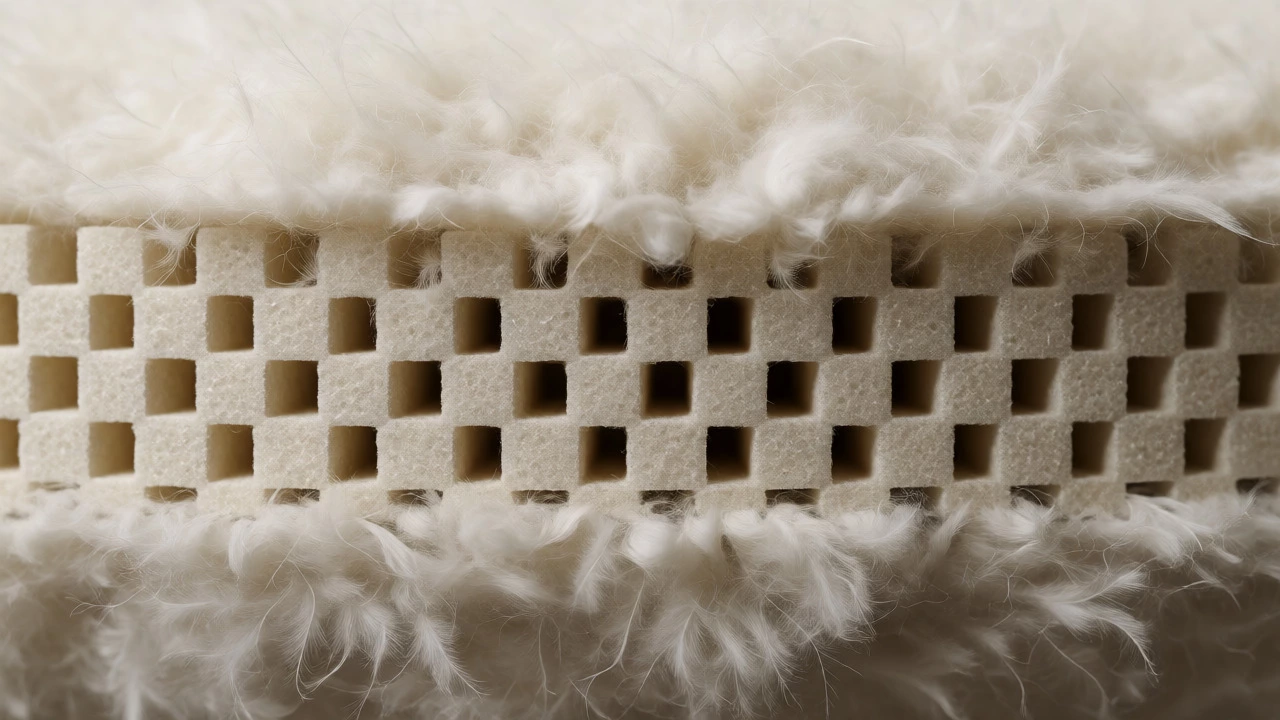
Foam is the industry standard for a reason. Specifically, look for high-density foam (often labeled as HR foam). Unlike cheap sponge-like foam that flattens out permanently, high-density foam has open cells that allow air to circulate and push back against your weight. It offers firm support and holds its shape well. However, pure foam can sometimes feel unyielding if you prefer a sink-in experience.
Down and Feathers offer that luxurious, cloud-like feel. Down consists of the soft undercoating from ducks or geese, providing superior loft and breathability. Feathers are stiffer and provide structure but can poke through fabric if not cased properly. The downside? They require regular fluffing. If you leave a down cushion alone for a week, it will go flat. They are also generally more expensive and can trigger allergies if not treated.
Polyester Fiberfill is the budget-friendly option. It’s synthetic, hypoallergenic, and easy to wash. The problem is durability. Fiberfill tends to clump over time and loses its loft much faster than foam or down. It’s fine for decorative pillows you don’t sit on, but for daily seating, it often leads to a sad, deflated look within a year.
| Material | Comfort Level | Durability | Maintenance | Best For |
|---|---|---|---|---|
| High-Density Foam | Firm to Medium | High | Low (Spot clean) | Daily use sofas, armchairs |
| Down & Feather | Soft/Luxurious | Medium | High (Fluffing) | Lounge chairs, occasional use |
| Polyester Fiberfill | Soft/Medium | Low | Medium (Washable) | Decorative accents, kids' rooms |
| Hybrid (Foam Core + Down Wrap) | Supportive yet Soft | Very High | Medium | Main living room sofas |
The Hybrid Solution: Why You Probably Want This
If you want the support of foam without the hardness, and the softness of down without the constant maintenance, look for hybrid inserts. These typically feature a core of high-resilience foam wrapped in a layer of down alternative or feather blend. This construction gives you immediate softness when you sit, followed by firm support underneath. It prevents the "bottoming out" sensation where you feel the wooden frame of the sofa. For most homeowners, this is the sweet spot between cost, comfort, and longevity.
Fabric Matters More Than You Think
You can have the perfect fill, but if the cover wears out in six months, you’re back to square one. When choosing a cushion cover, check the double rub count. This is a measure of abrasion resistance found in textile specifications. Anything under 15,000 double rubs is light duty-fine for a bedroom accent pillow. For a living room sofa used daily, aim for 30,000 to 50,000 double rubs. If you have pets or children, go for performance fabrics like Crypton or Sunbrella, which resist stains and claws.
Natural fibers like cotton and linen breathe well but wrinkle easily and may shrink if washed incorrectly. Synthetic blends like polyester or olefin are tougher and easier to clean, though they might trap heat. If you live in a hot climate, stick to natural fibers or moisture-wicking synthetics. If you have messy eaters, choose dark colors or busy patterns that hide crumbs and spills until laundry day.
Sizing and Shape: Avoiding the Awkward Fit
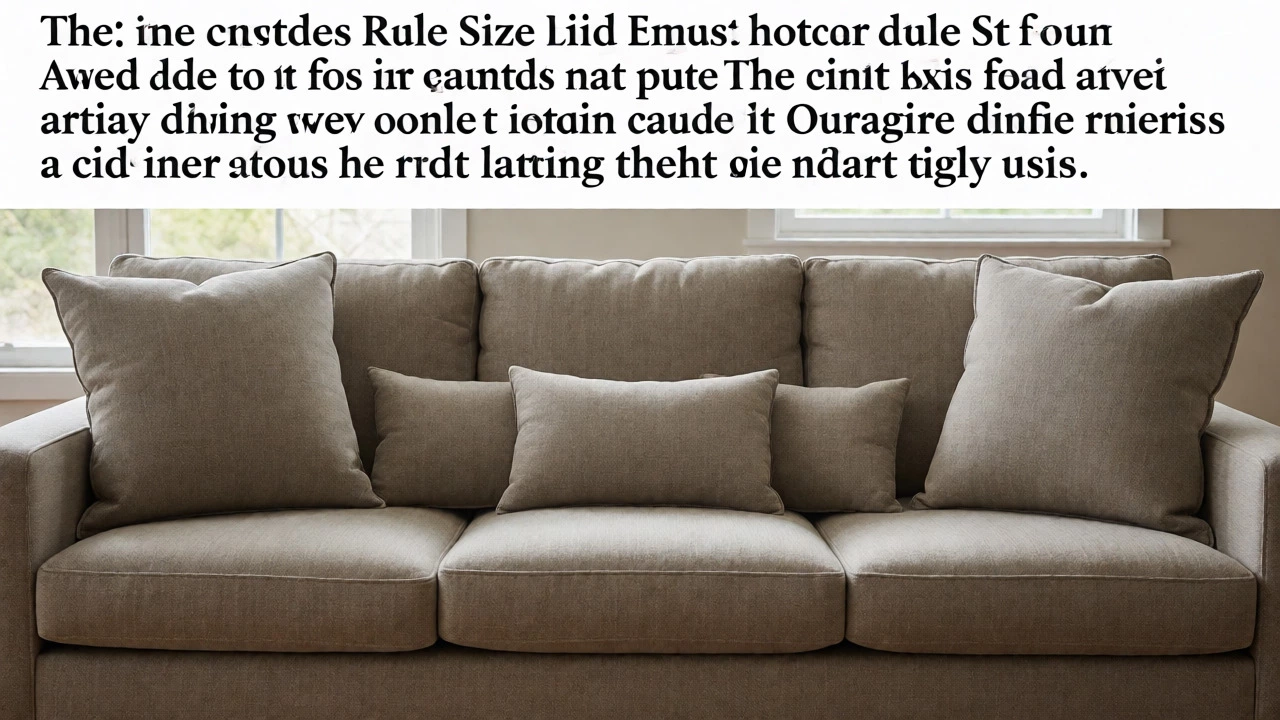
A common mistake is buying cushions that are slightly too small for the existing covers or too large to zip shut. Measure your current inserts before shopping. If you are starting from scratch, follow the rule of thirds for visual balance. On a standard three-seater sofa, two large square cushions (24x24 inches) at the ends and smaller rectangular lumbar pillows (18x12 inches) in the center create a harmonious look. Don’t overcrowd the space; leave enough room for people to actually sit down without fighting off pillows.
Consider the depth of your sofa seat. Deep seats (over 24 inches) require larger, plumper cushions to fill the gap between your back and the seat base. Shallow loveseats need thinner profiles to avoid looking bulky. If you buy round cushions, ensure they have enough diameter (at least 18 inches) to look substantial rather than like a toy.
Zipper Quality: The Hidden Detail That Saves Your Sanity
Never underestimate the zipper. A plastic zipper on a heavy down cushion will burst after two washes. Look for metal or heavy-duty nylon zippers. Even better, look for hidden zippers or YKK brand zippers, which are known for reliability. Also, check if the cover is removable. If you spill red wine, you want to take the cover off and wash it, not throw away the whole cushion. Removable covers add versatility, allowing you to switch styles seasonally without buying new inserts.
Budget vs. Value: Where to Spend
You don’t need to spend hundreds per cushion, but you shouldn’t buy the cheapest ones either. Here is a simple heuristic: spend more on the cushions you sit on every day. Invest in high-quality foam cores and durable outer fabrics for your main sofa. Save money on decorative throw pillows that are mostly for looks. For those, polyester fiberfill and basic cotton covers are perfectly acceptable. Replace them annually if they get stained or worn out. For your primary seating, a $40-$60 cushion insert that lasts five years is cheaper in the long run than a $15 insert that needs replacing every year.
Final Checklist Before You Buy
- Measure twice: Confirm the exact dimensions of your existing covers or sofa slots.
- Check the fill type: Ensure it matches your comfort preference (firm vs. soft).
- Inspect the fabric: Look for a double rub count suitable for your usage level.
- Test the zipper: Make sure it opens smoothly and stays closed under tension.
- Read return policies: Comfort is subjective. Ensure you can return them if they feel wrong after a few days of use.
How do I keep my cushions from going flat?
For down and feather cushions, fluff them vigorously once a week to redistribute the feathers. For foam, rotate them regularly so one side doesn't compress more than the other. Occasionally placing them in a dryer on low heat with a couple of tennis balls can help restore loft to fiber-filled or down cushions by breaking up clumps.
Are down cushions worth the extra cost?
If you prioritize luxury and softness, yes. Down provides a unique comfort level that synthetic materials struggle to replicate perfectly. However, they require more maintenance. If you have allergies or hate fluffing pillows, a high-quality down-alternative or hybrid foam-down mix is a better value proposition.
Can I wash all cushion covers?
Not always. Always check the care label. Some delicate fabrics like velvet or silk require dry cleaning. Cotton and polyester blends are usually machine washable. Washing the insert itself depends on the material; foam should never be submerged in water, while some fiberfills are designed to be washed whole.
What size cushion fits a standard sofa?
Standard square cushions are typically 20x20 or 24x24 inches. Rectangular lumbar pillows are often 18x12 or 20x12 inches. Measure your sofa's backrest height and width to determine how many pillows fit comfortably without blocking access to the seat.
Why do my new cushions smell?
New foam cushions often have a chemical odor due to off-gassing from manufacturing processes. This is normal and usually dissipates within 24-48 hours if left in a well-ventilated area. Natural down can sometimes have a slight animal scent, which fades after airing out or washing according to instructions.