How to Choose the Right Mirror: Size, Shape, and Placement Guide
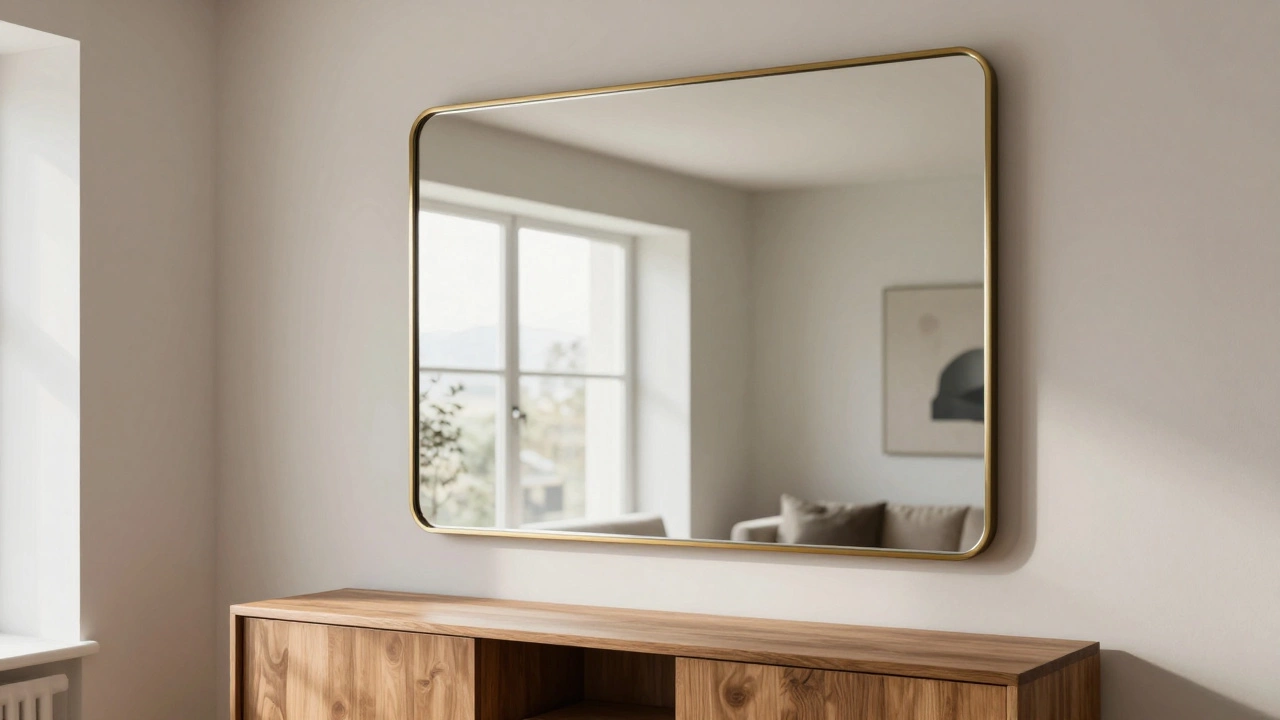 May, 10 2026
Mirror Size & Placement Calculator
Room Details
Recommended Specifications
Ideal Mirror Width:
Hanging Height (Bottom Edge):
- Ensure center aligns with eye level (~57-60 inches).
- Leave breathing space around the frame.
Enter your room details to get personalized mirror sizing recommendations based on professional interior design principles.
Walk into any home or store, and you’ll see mirrors everywhere. They’re not just for checking your hair before leaving the house. A well-placed Mirror is a reflective surface that can transform a space by adding light, depth, and style. But pick the wrong one, and it becomes an eyesore-or worse, a safety hazard. So, how do you actually choose the right mirror? It’s not about guessing. It’s about understanding your space, your needs, and the subtle details that make all the difference.
Start With the Room’s Purpose
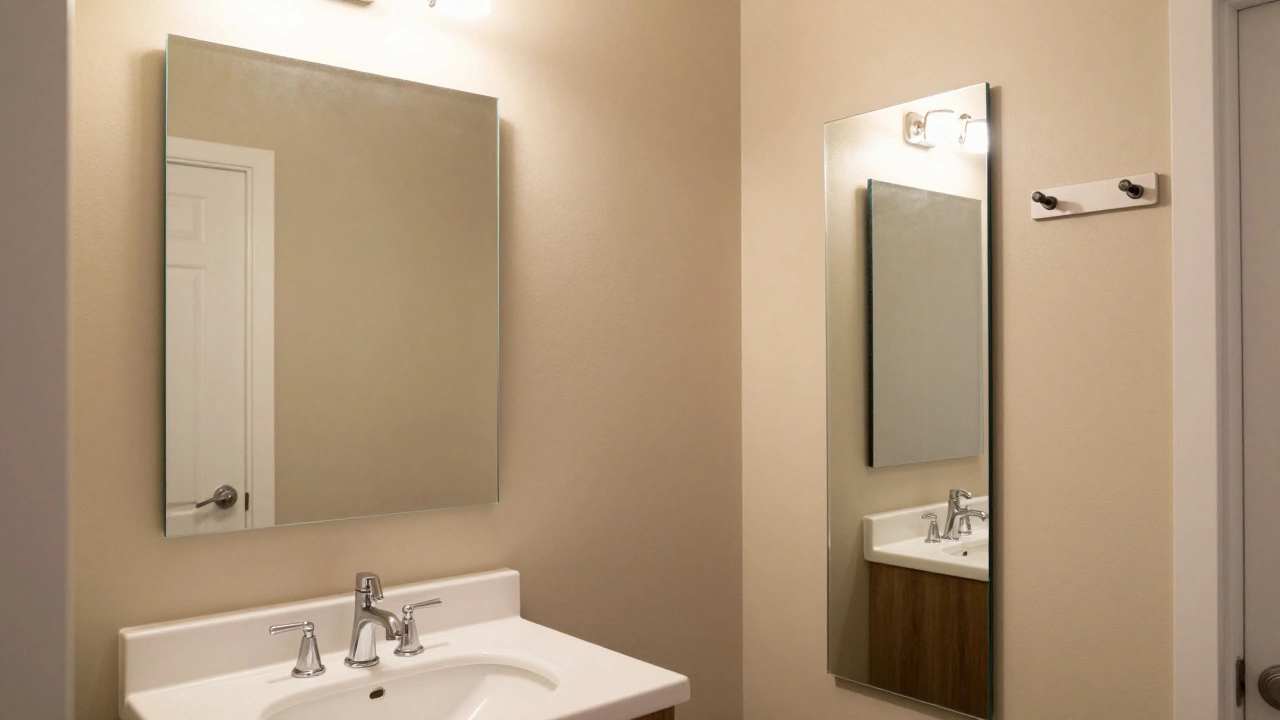
The first thing you need to ask yourself is: what will this mirror do for you? Mirrors serve different roles depending on where they live. In a bathroom is a room requiring moisture-resistant materials and proper lighting., functionality rules. You need something large enough to see your full face while brushing your teeth, with anti-fog features if you take steamy showers. In a hallway, a mirror might be purely decorative-adding character to a narrow space. In a living room, it could bounce natural light from a window across the room, making the area feel bigger and brighter.
Think about who uses the space. If you have small children, avoid heavy glass frames that could tip over. If you’re dressing up for work every morning, prioritize clarity and size over artistic flair. The purpose dictates the design.
Measure Twice, Buy Once
Size matters more than you think. Too small, and the mirror gets lost on the wall. Too big, and it overwhelms the room. Here’s a simple rule of thumb: the mirror should be about two-thirds the width of the furniture piece it hangs above. For example, if your console table is 60 inches wide, aim for a mirror around 40 inches wide.
| Room | Ideal Width Range | Height Consideration |
|---|---|---|
| Bathroom Vanity | 18-36 inches | Center at eye level (approx. 57-60 inches from floor) |
| Entryway Console | 24-48 inches | Leave 6-8 inches between top of console and bottom of mirror |
| Living Room Wall | 36-60+ inches | Hang so center is 57 inches from floor; adjust for ceiling height |
| Bedroom Dresser | 30-50 inches | Match dresser width or go slightly narrower for balance |
Don’t forget vertical space. A tall mirror in a low-ceilinged room can draw the eye upward, creating an illusion of height. Conversely, a wide horizontal mirror can make a narrow room feel broader. Measure your walls before shopping-and leave room for breathing space around the frame.
Shape Matters More Than You Think
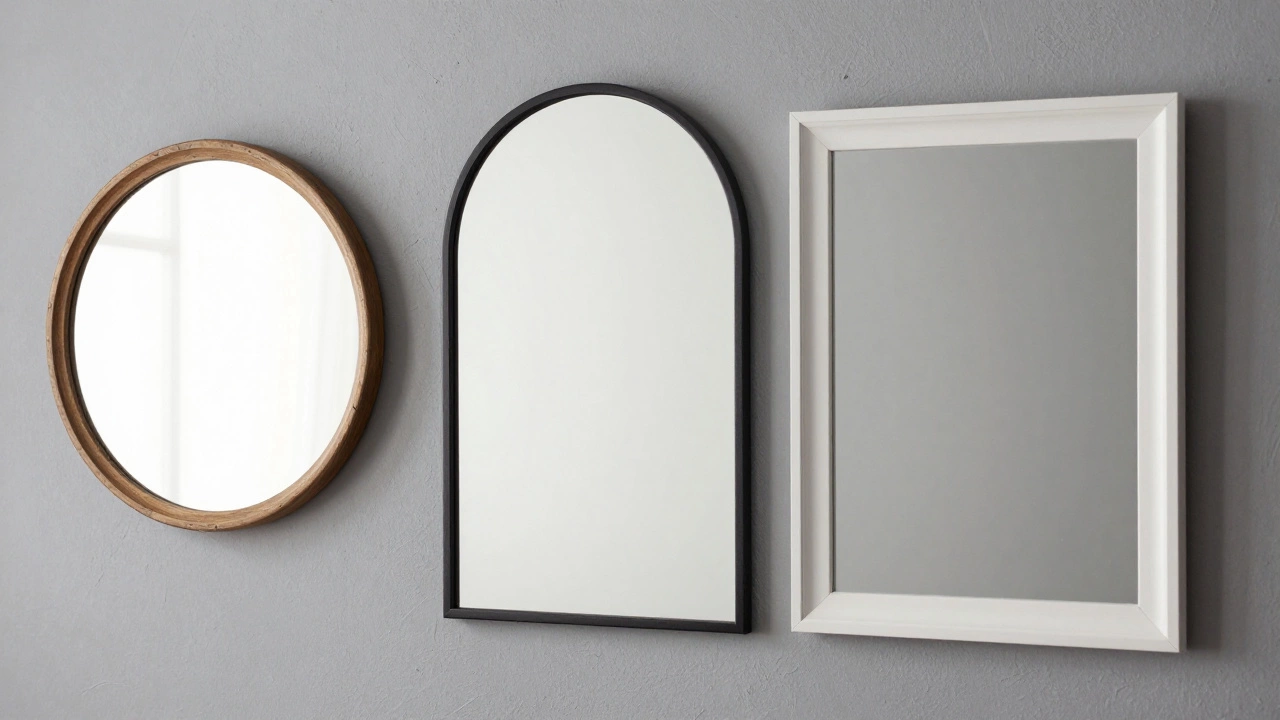
The shape of your mirror should complement the architecture of your room. Rectangular mirrors are versatile and work well in most spaces, especially when hung above rectangular furniture like vanities or dressers. Round mirrors soften sharp corners and add warmth to modern or minimalist interiors. Oval mirrors offer a middle ground-curved but elongated.
If your room has lots of straight lines and hard edges, consider a round or arched mirror to introduce softness. On the flip side, if your space feels too rounded or organic, a square or rectangular mirror can bring structure and definition. Arched mirrors are particularly popular right now because they echo the curves found in doorways and windows, tying the room together visually.
Avoid matching shapes exactly unless you’re going for symmetry. Instead, look for contrast. A round mirror above a rectangular sink creates visual interest without clashing.
Frame Material and Style Set the Tone
The frame isn’t just decoration-it sets the tone for the entire piece. Wood frames bring warmth and texture, making them ideal for cozy, rustic, or Scandinavian-style homes. Metal frames, especially in black, brass, or gold finishes, lend a sleek, contemporary vibe. Frameless mirrors offer a clean, unobtrusive look that works great in bathrooms or modern living rooms where minimalism reigns.
Consider durability too. In humid environments like bathrooms, wood frames may warp over time unless treated properly. Metal and acrylic frames hold up better against moisture. If you’re renting or moving frequently, lightweight frames made from resin or composite materials are easier to hang and remove without damaging walls.
Also, think about maintenance. Ornate frames collect dust and require regular cleaning. Simple, flat-profile frames wipe down easily. Choose based on how much effort you want to put into upkeep.
Placement Is Everything
Where you hang your mirror changes its impact. Opposite a window? Perfect. That’s the classic trick for bouncing natural light deeper into the room. Above a fireplace? Great for anchoring the focal point of the living room. Flanking a bed? Adds symmetry and elegance to the bedroom.
But don’t place mirrors directly facing beds if you’re sensitive to nighttime reflections-they can disrupt sleep. Avoid placing them opposite cluttered areas; they’ll reflect chaos instead of calm. And never hang a mirror so high that you can’t see yourself in it unless it’s purely decorative.
In entryways, position mirrors at eye level so guests can check their appearance as they leave. In dining rooms, use mirrors to amplify candlelight and create intimacy during evening meals.
Glass Quality and Clarity Count
Not all mirrors are created equal. Cheap mirrors often distort your reflection, giving you a wavy or stretched image. Look for silver-backed glass with a protective coating to prevent tarnishing. Tempered glass is safer, especially in high-traffic areas or homes with kids-it shatters into small, dull pieces rather than sharp shards.
If you’re buying online, check reviews for mentions of “distortion” or “warping.” Some brands use lower-quality backing that peels or bubbles over time. Invest in reputable manufacturers known for optical-grade glass. Your reflection deserves accuracy.
Budget vs. Longevity
You don’t need to spend hundreds to get a good mirror, but skimping too much can cost you later. A $50 mirror might look fine today, but if the frame chips or the glass fogs within a year, you’ll replace it anyway. Aim for mid-range options ($100-$300) that balance quality and affordability. These typically come with better craftsmanship, sturdier mounts, and longer warranties.
Custom-made mirrors run higher ($400+) but allow exact sizing and unique designs. Worth it if you’re renovating or designing a statement wall. Mass-produced mirrors suit renters or those on tight budgets-but read return policies carefully.
Pro Tips Before You Buy
- Test the reflection: Hold up a temporary cardboard cutout of the mirror’s dimensions against the wall. Step back. Does it feel right?
- Check mounting hardware: Ensure it includes anchors suitable for your wall type (drywall, plaster, brick).
- Lighting test: Place the mirror under various lights-daylight, warm bulb, cool LED-to see how it reflects color tones.
- Weight check: Heavy mirrors need professional installation. Lightweight ones can often be hung alone with basic tools.
- Return policy: Always buy from retailers offering free returns. Mirrors are fragile and sometimes arrive damaged.
Common Mistakes to Avoid
One of the biggest errors people make is choosing a mirror based solely on aesthetics. Beauty doesn’t matter if it doesn’t fit your life. Another mistake? Ignoring scale. A tiny mirror on a massive wall looks lost. A giant mirror in a cramped closet feels oppressive. Balance is key.
Also, don’t overlook function. A beautiful ornate mirror won’t help you shave if it’s too small or poorly positioned. And beware of trendy styles that age quickly-bold neon frames or overly complex geometric patterns may fade fast. Stick to timeless elements: clean lines, neutral tones, durable materials.
What size mirror should I put above my bathroom vanity?
Aim for a mirror that’s 2-4 inches narrower than your vanity. For a 36-inch vanity, choose a 32-inch mirror. Hang it so the center aligns with your eye level-usually 57-60 inches from the floor. This ensures you can see your full face comfortably while standing in front of the sink.
Can I hang a mirror directly above a TV?
It’s possible, but generally not recommended. The glare from the screen can cause distracting reflections, and the mirror may compete visually with the TV. If you must, opt for a smaller, framed mirror placed slightly off-center or angled away from direct viewing paths.
Are frameless mirrors harder to clean?
Actually, no. Frameless mirrors are easier to clean since there are no crevices or textured surfaces trapping dust. Just use a microfiber cloth and glass cleaner. However, edges may show fingerprints more readily, so handle with care during installation.
Should I match my mirror frame to other metal fixtures in the room?
Yes, ideally. Matching finishes-like brass knobs with a brass-framed mirror-creates cohesion. But mixing metals is also acceptable if done intentionally. For instance, pair a black-framed mirror with copper accents for a layered, curated look. Consistency beats randomness.
Is it okay to hang a mirror in the bedroom facing the bed?
Many people find it unsettling to see themselves reflected while lying in bed, especially at night. If you’re sensitive to this, angle the mirror slightly or place it on a wardrobe door instead. Others don’t mind-it comes down to personal comfort. Try both positions before deciding.