How to Create Storage in a House Without Closets
 Apr, 20 2026
Storage Solution Finder
Select the type of items you need to store and your available space to get the best recommendation.
Recommended: Rolling Rack
Perfect for daily outfits and quick access with zero installation effort.
Quick Wins for Instant Space
- Vertical Wall Tracks: Use the full height of your walls, not just the eye-level space.
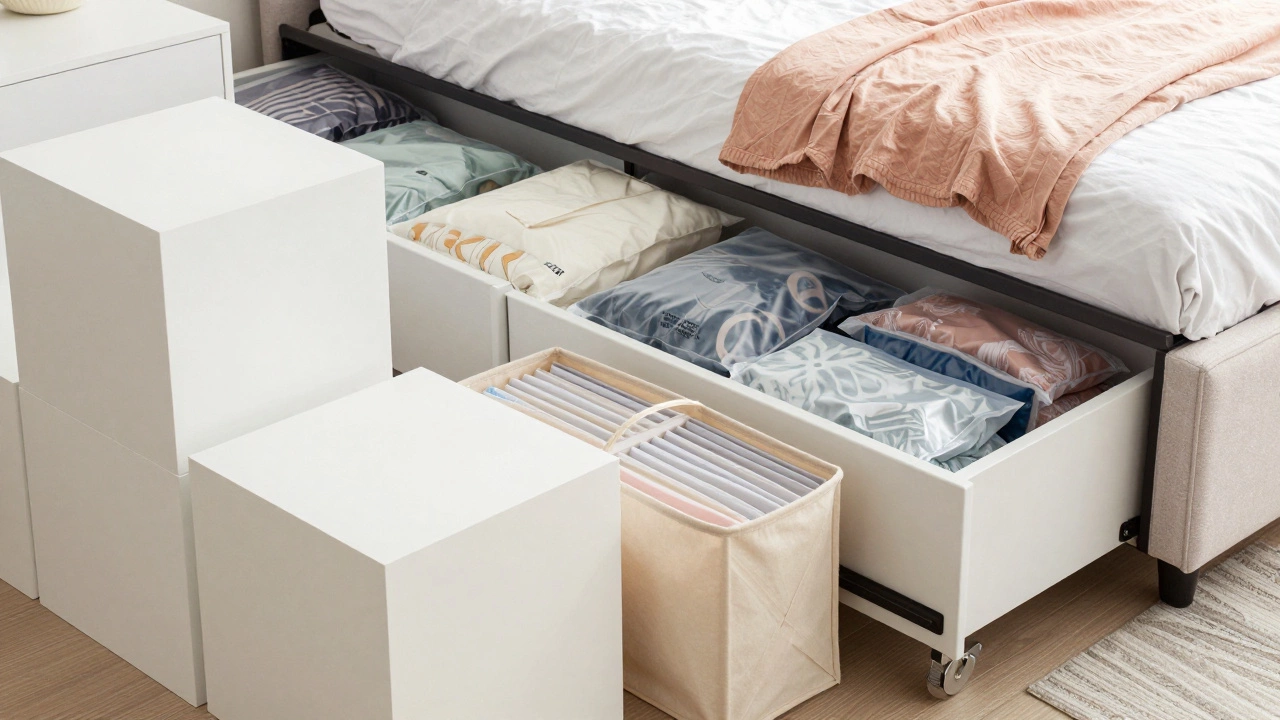
- Under-Bed Drawers: Utilize the 6 to 12 inches of dead space beneath your mattress.
- Floating Shelves: Add storage where floor space is nonexistent.
- Over-the-Door Organizers: Perfect for shoes, cleaning supplies, or accessories.
- Multi-functional Furniture: Choose ottomans or beds with built-in compartments.
Mastering the Open Wardrobe Concept
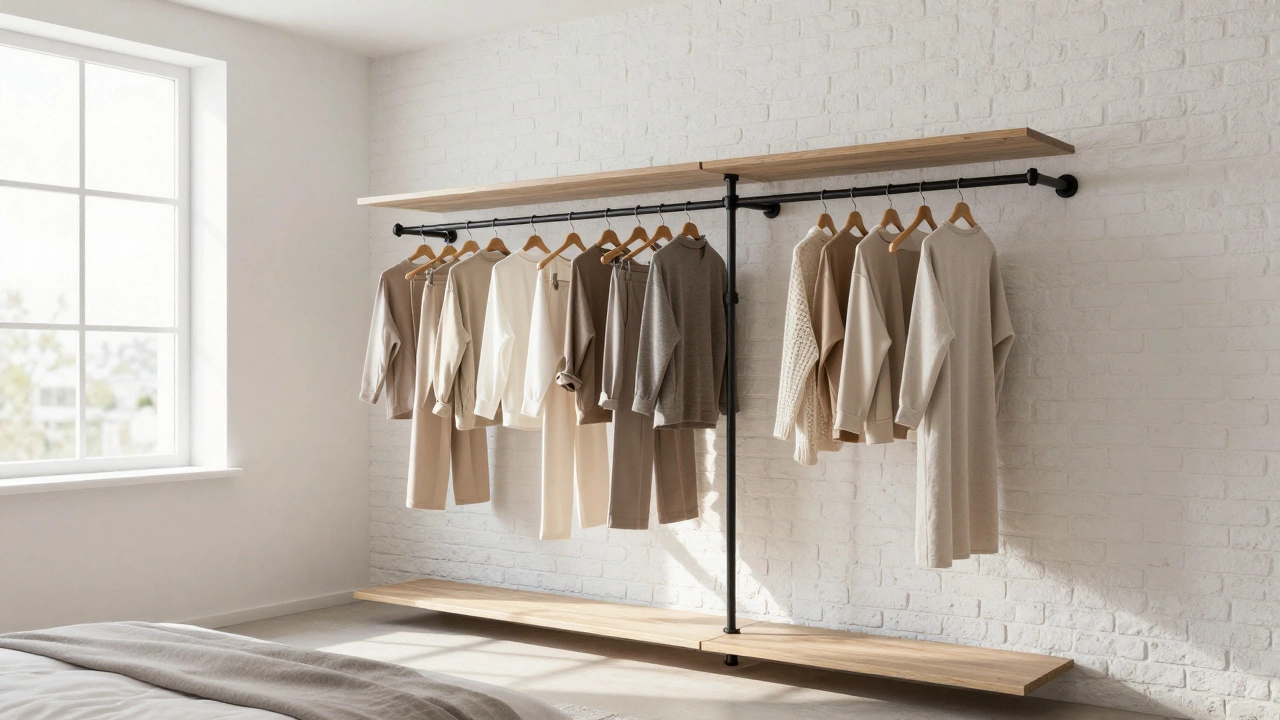
When you don't have a closet, the wall becomes your wardrobe. Instead of fighting it, embrace the "boutique" look. The most effective way to do this is by installing a Clothing Rack. Unlike a bulky dresser, a sturdy metal rack allows you to see everything you own at a glance, which actually helps you get dressed faster in the morning. If you want something more permanent, look into Industrial Piping systems. By mounting pipes directly into the wall studs, you create a high-strength hanging area that can hold heavy winter coats without sagging.
The trick to keeping an open wardrobe from looking messy is consistency. Use matching hangers-wooden or velvet ones work best-to create a visual line that tricks the eye into seeing order rather than a pile of clothes. If you're worried about dust, a simple curtain rod installed across a recessed wall area can create a "faux closet" that hides the chaos while keeping the space accessible.
Turning Dead Zones into Storage Gold
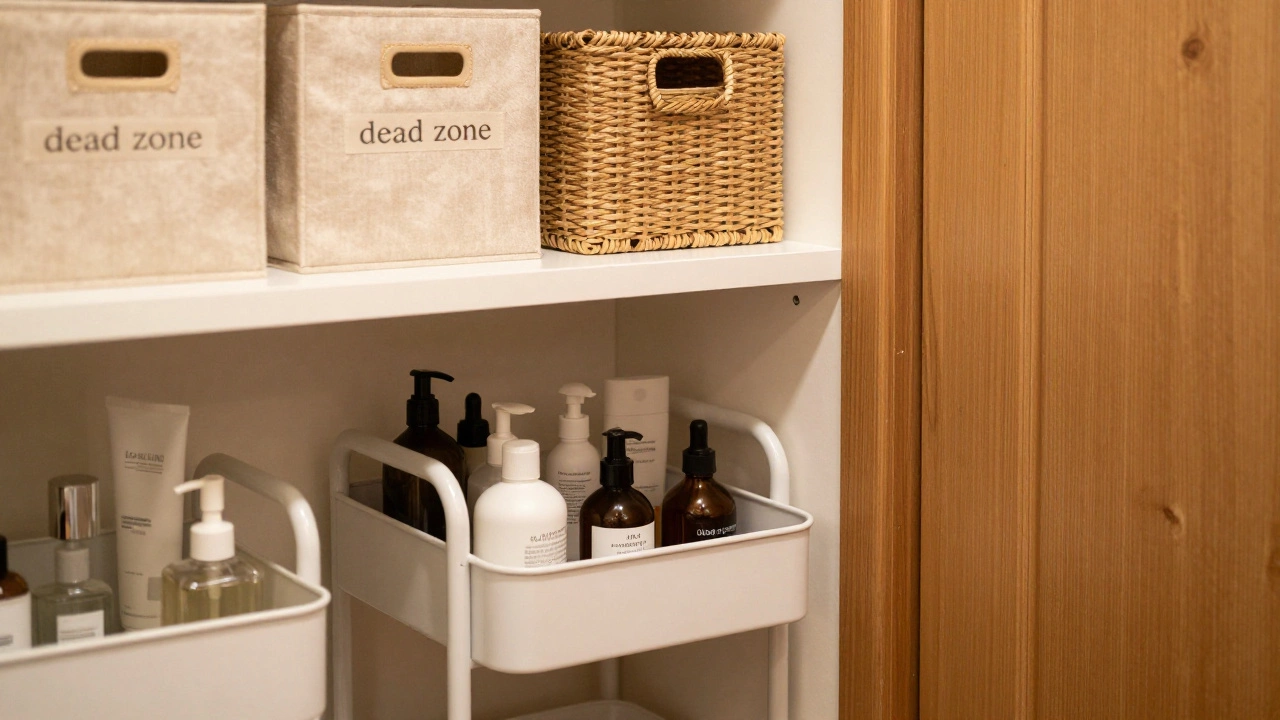
Most homes have "dead zones"-those awkward corners or narrow strips of wall that usually go unused. These are your best friends when you're short on storage. For example, the space above your bedroom door is almost always empty. Installing a deep Floating Shelf there is perfect for storing off-season items like heavy blankets or holiday decorations in labeled bins.
Think about the corners of your room. Instead of a standard square table, a corner shelving unit utilizes the 90-degree angle to provide multiple tiers of storage without protruding into the walking path. Another overlooked area is the gap between the wardrobe and the wall. A slim, wheeled pantry cart can slide into a 6-inch gap, providing a home for jewelry, perfumes, or daily skincare products that usually clutter up a tabletop.
| System | Best For | Installation Effort | Visual Impact |
|---|---|---|---|
| Rolling Racks | Daily Outfits | Zero | High (Visible) |
| Wall-Mounted Rails | Long-term Wardrobe | Medium | Moderate |
| Modular Cubes | Folded Clothes | Low | Clean/Boxy |
| Under-bed Bins | Off-season Gear | Zero | Invisible |
The Magic of Modular Cubes and Bins
If hanging clothes isn't your only struggle, you need a system for the stuff that doesn't hang-think t-shirts, jeans, and gym gear. Modular Cubes are the gold standard here. These are essentially stackable boxes that act as a dresser without the heavy footprint. Because they are modular, you can expand your storage as your wardrobe grows.
To prevent the "pile effect" where one shirt pulls out and five others fall over, use Fabric Bins inside the cubes. This creates a hard boundary for your clothes. A pro tip is to use the "file folding" method-folding clothes vertically so they stand up like folders in a filing cabinet. This allows you to see every single item in the bin without digging through the bottom of the stack.
Using Furniture as Secret Storage
When you can't go *into* the wall, you have to go *into* the furniture. Every piece of furniture in a closet-less home should be doing double duty. Swap your standard bed frame for a Storage Bed. These typically come with hydraulic lifts or deep drawers that can hold an entire set of winter bedding and extra pillows, which would otherwise take up a massive amount of room.
The same logic applies to your seating. An upholstered bench at the foot of the bed or an ottoman in the living room can hide everything from board games to extra linens. If you have a small living area, consider a coffee table with built-in drawers. It keeps the surface clean and gives you a spot for remote controls and magazines that usually wander across the room.
Maintaining the System Long-Term
The biggest risk of an open storage system is that it can quickly look like a laundry mountain. To avoid this, you need a strict "one-in, one-out" rule. Since your storage is visible, you'll notice much faster when you have too many items. This is actually a psychological advantage; you're less likely to hoard clothes you don't wear when they are staring at you from a rack instead of buried in a dark closet.
Set a monthly "reset day" to reorganize your bins and rotate your seasonal clothes. Use vacuum seal bags for things you won't need for three months-these bags shrink the volume of your clothes by up to 75%, making those under-bed zones and high shelves way more efficient.
How do I keep clothes from getting dusty in an open wardrobe?
The best way to prevent dust is to use garment covers for items you don't wear daily, such as suits or evening gowns. For your everyday rotation, a simple fabric curtain hung from a ceiling track can shield your clothes from dust while still giving you quick access. Additionally, using an air purifier in the room helps reduce the amount of floating particles that settle on your fabrics.
What is the best way to store shoes without a closet?
Avoid the "shoe pile" at all costs. Use a vertical shoe rack or a tiered organizer that utilizes the height of the wall. For a more hidden approach, use under-bed shoe organizers with clear plastic lids. If you have a hallway, a slim shoe cabinet with flip-down drawers is a great way to keep footwear out of the main living area while keeping the entryway tidy.
Can I use a dresser as a replacement for a closet?
A dresser is great for folded items, but it doesn't solve the problem of hanging clothes. To make a dresser work as a full replacement, you can place a freestanding clothing rack next to it. Alternatively, some people use a "tallboy" dresser and mount a small hanging rail on the side of the unit for a few favorite pieces, combining drawers and hanging space in one small footprint.
How do I store bulky winter coats without a closet?
Bulky coats are the hardest to manage in open spaces. The most effective method is using a heavy-duty wall-mounted hook system. High-quality hooks can hold the weight of a heavy parka and keep it off the floor. During the summer, compress these coats using vacuum bags and store them in under-bed containers to free up your primary hanging space.
What are the best bins for open shelving?
Go for opaque bins if you want to hide the visual clutter, or clear acrylic bins if you need to see the contents immediately. Woven seagrass or fabric bins are excellent for adding texture to the room and making the storage feel like a deliberate design choice rather than a necessity. Always ensure the bins fit snugly into your shelves to avoid wasted gaps.
Next Steps for Your Space
If you're just starting, don't buy everything at once. Start by auditing your belongings and getting rid of anything you haven't worn in a year. Then, map out your "prime real estate"-the areas you reach most often-and assign those to your daily clothes. Once you've mastered the basics, look into adding lighting to your open racks. LED strip lights under shelves or around your clothing rack turn a simple storage area into a high-end looking dressing station.