How to Maximize Storage in a Small House: Smart Solutions for Every Room
 Jun, 11 2026
Small Home Storage Strategy Calculator
Living in a small house often feels like playing a high-stakes game of Tetris. You have limited floor space, but your life hasn't shrunk to match the square footage. Clothes pile up, kitchen gadgets gather dust in drawers, and shoes create tripping hazards by the door. The frustration isn't just about mess; it's about losing functionality in your own home. But here is the good news: you don't need a mansion to live comfortably. You need strategy.
Maximizing storage in a small house isn't about buying more bins or forcing everything into closets that are already bursting. It is about rethinking how you use every inch of available space. By focusing on verticality, multi-functionality, and hidden compartments, you can transform a cramped living area into an organized, breathable sanctuary. Let’s look at practical ways to reclaim your space without renovating your entire home.
The Vertical Advantage: Look Up, Not Out
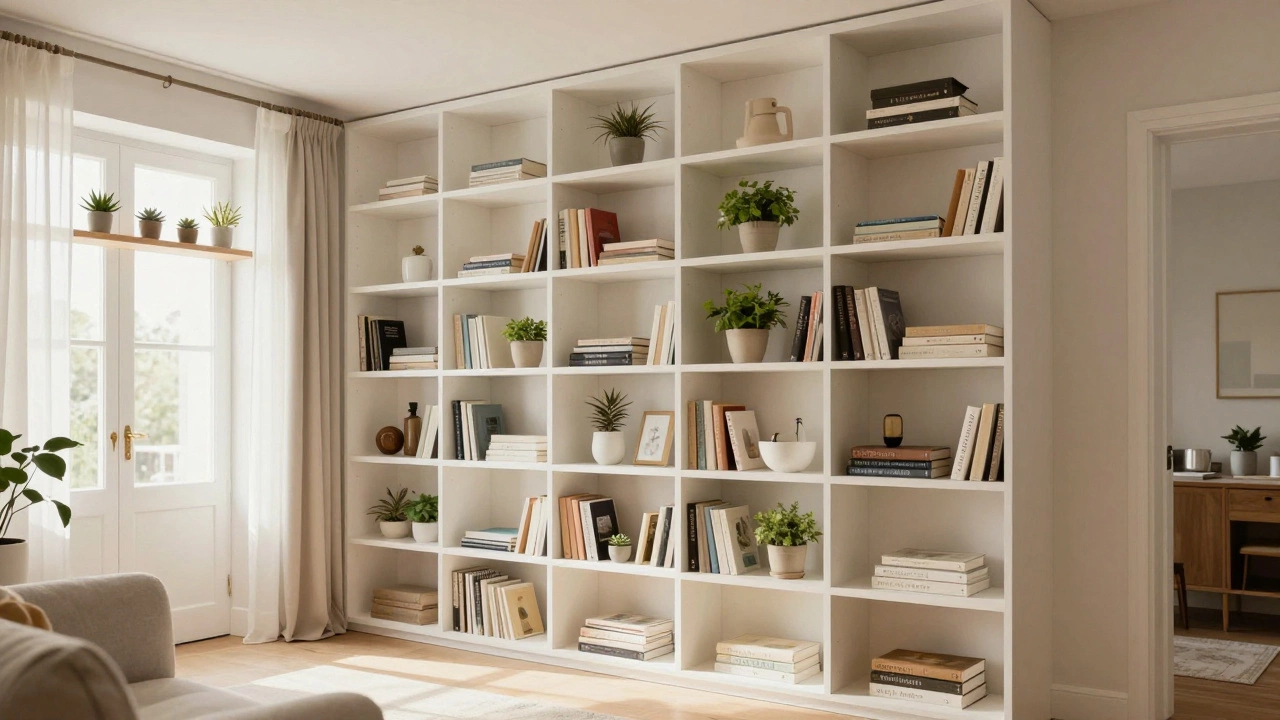
In most small homes, we obsess over floor plans while ignoring the ceiling. This is a massive missed opportunity. Vertical storage is the practice of utilizing wall height and overhead space to store items, freeing up valuable floor area. When you build up, you keep your walkways clear and your rooms feeling larger.
Start with your walls. Floor-to-ceiling shelving units do more than hold books; they draw the eye upward, creating an illusion of height. Instead of short bookcases that leave awkward gaps above them, install shelves that reach the ceiling. Use the top shelves for items you rarely access, like seasonal decorations or archival boxes, and keep daily essentials at eye level.
Don't forget the space above doors and windows. These are dead zones in most houses. Installing narrow, shallow shelves above door frames is perfect for storing lightweight items like spices in the kitchen, toiletries in the bathroom, or decorative objects in the hallway. Just ensure the shelves are securely anchored, especially if you plan to put any weight on them.
- Kitchen: Mount pot racks from the ceiling to free up cabinet space.
- Bathroom: Use tension rods inside cabinets to double shelf capacity for cleaning supplies.
- Bedroom: Hang floating shelves above the bed for reading material or nightstand items.
Furniture That Works Double Time
Every piece of furniture in a small house should earn its keep. If a chair only sits there, it’s taking up too much room. Prioritize multi-functional furniture that hides storage within its structure. This approach reduces visual clutter because the storage itself is concealed.
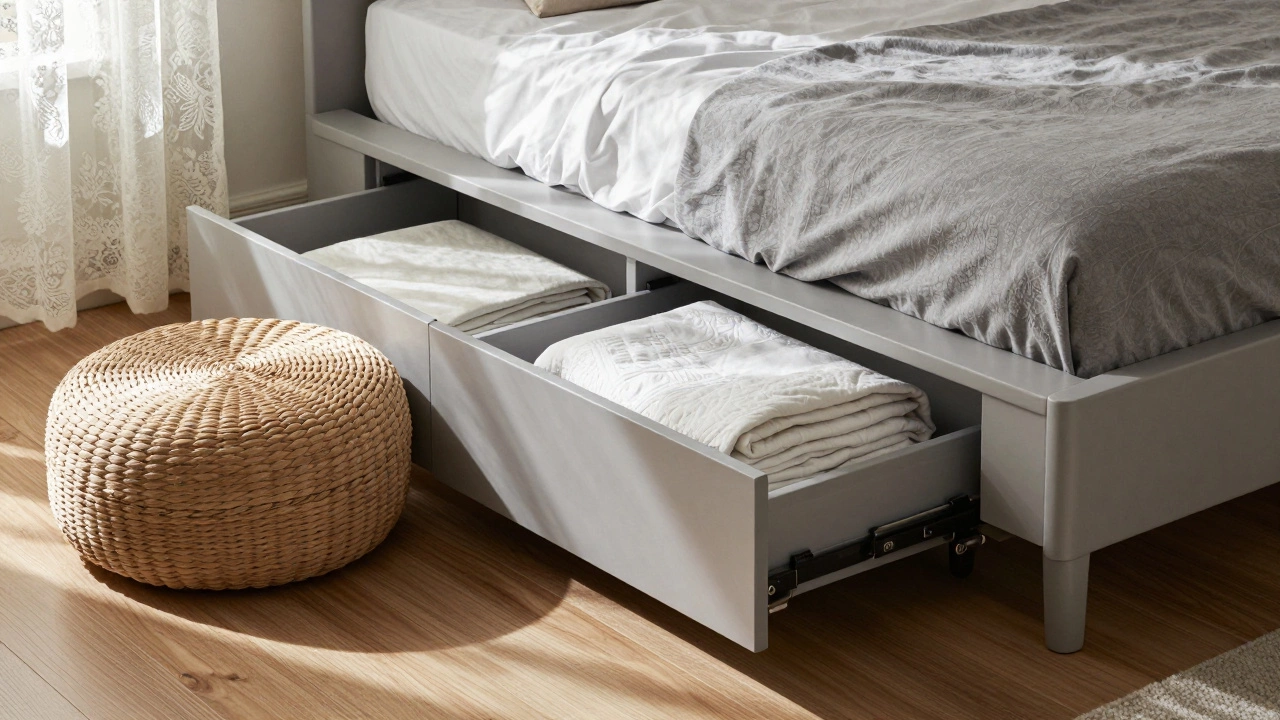
Consider a bed with built-in drawers or a lift-up mattress base. A standard bed frame leaves hundreds of cubic feet of empty space underneath. With a storage bed, you can tuck away off-season clothing, extra linens, or even luggage. Similarly, ottomans with hollow interiors serve as footrests, seating, and storage bins all in one. Place one in the living room to stash blankets and magazines, keeping surfaces clear.
Desks and tables also offer opportunities. Choose a console table with drawers for entryway keys and mail, or a dining table with drop-leaf sides that fold down when not in use. In the bedroom, a bench at the foot of the bed can store pillows or folded sweaters. The key is to select pieces that solve two problems at once: providing function and hiding chaos.
Hidden Storage: Out of Sight, Out of Mind
Clutter creates stress because it is visible. Hidden storage solutions allow you to keep necessary items accessible without letting them dominate your visual field. This is particularly important in open-plan small houses where every room bleeds into the next.
Utilize the backs of doors. Over-the-door organizers are no longer just for shoes. Magnetic strips on the back of pantry doors hold spice jars and measuring spoons. Pocket organizers on closet doors keep belts, scarves, and hats tidy. Even the inside of cabinet doors can be used; mount hooks or racks for pots, pans, or cleaning sprays.
Think about unconventional spaces. The area under the stairs is often wasted. Convert it into a pull-out pantry, a compact office nook, or a laundry chute. In the bathroom, recessed medicine cabinets save counter space compared to surface-mounted mirrors. In the living room, consider a media console with deep drawers that hide cables and gaming consoles, maintaining a clean aesthetic.
Optimizing Kitchen and Bathroom Spaces
The kitchen and bathroom are the most clutter-prone rooms because they house countless small items. Efficient organization here has the biggest impact on daily life.
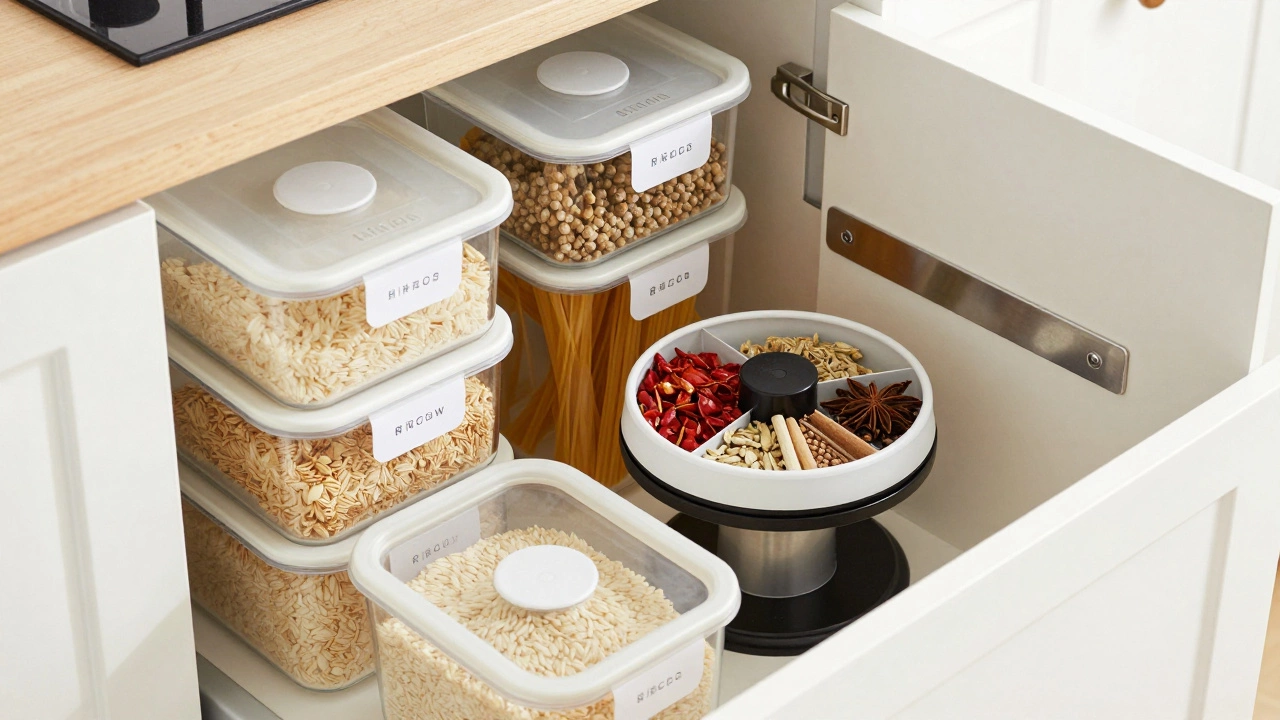
In the kitchen, drawer dividers are essential. Without them, utensils become a tangled mess. Use adjustable dividers to separate spatulas, knives, and spoons. Install a lazy Susan in corner cabinets to make those hard-to-reach spots usable. For vertical space, stackable containers for dry goods like pasta and rice save significant shelf space compared to bulky original packaging. Label them clearly so everyone knows where things go.
In the bathroom, moisture makes organization tricky. Use waterproof baskets on shelves to group items together. A shower caddy keeps shampoo and soap off the tub ledge, preventing mildew buildup. Under-sink storage is often wasted due to pipes. Use collapsible bins or rolling carts that fit around the plumbing to store cleaning products and extra towels. Keep only daily-use items on the counter; everything else belongs in a cabinet or drawer.
| Strategy | Best For | Pros | Cons |
|---|---|---|---|
| Vertical Shelving | Books, decor, infrequent items | Free up floor space, visually appealing | Requires sturdy installation |
| Multi-functional Furniture | Living room, bedroom | Hides clutter, saves money on separate bins | Can be expensive upfront |
| Under-Bed Storage | Clothing, luggage, linens | Utilizes dead space, easy access | Harder to retrieve heavy items |
| Door Organizers | Shoes, toiletries, spices | Inexpensive, uses vertical height | Limited weight capacity |
The Art of Decluttering Before Storing
You cannot maximize storage if you are trying to store too much. No amount of clever bins will fix a hoarding problem. Before implementing new systems, conduct a ruthless purge. Ask yourself: Do I use this? Do I love this? If the answer is no to both, let it go.
Adopt the "one in, one out" rule. For every new item you bring into the house, remove one similar item. This prevents accumulation over time. Donate clothes that no longer fit, toss broken electronics, and recycle old papers. Digital clutter counts too; unsubscribe from newsletters and delete unused apps to reduce mental load.
Be realistic about what you need. Do you really need twenty mugs? Ten might suffice. Do you need five sets of sheets? Two or three are enough for rotation. Reducing volume makes organizing easier and keeps your small house feeling spacious rather than stuffed.
Maintaining Order: Habits That Stick
Setting up storage systems is only half the battle. Maintaining them requires daily habits. Create a "home" for every item. If everything has a designated spot, putting things away becomes automatic rather than a chore.
Implement the "15-minute reset" routine. Each evening, spend fifteen minutes returning items to their proper places. Straighten cushions, wipe counters, and file papers. This prevents small messes from becoming overwhelming disasters. Involve everyone in the household; shared responsibility ensures the system works long-term.
Regularly review your storage needs. Seasons change, and so do your possessions. Swap out winter coats for summer dresses, rotate holiday decorations, and reassess what you actually use. Flexibility is key to keeping a small house functional and comfortable year-round.
What is the best type of storage for a small apartment?
The best storage combines vertical shelves and multi-functional furniture. Floor-to-ceiling bookcases and beds with built-in drawers maximize space without consuming floor area. Avoid bulky standalone units that block light and movement.
How can I store clothes in a small bedroom without a closet?
Use a freestanding wardrobe or a curtain-draped rod system. Hanging organizers on doors add vertical capacity. Store off-season clothing under the bed in vacuum-sealed bags to free up hanging space for current outfits.
Is it better to buy plastic bins or fabric baskets for small spaces?
Plastic bins are durable and stackable, ideal for heavy items like books or canned food. Fabric baskets look softer and blend better with decor, making them suitable for blankets or toys. Choose based on content weight and aesthetic preference.
How do I organize a tiny kitchen efficiently?
Focus on drawer dividers, magnetic knife strips, and stackable containers. Use the inside of cabinet doors for racks holding lids or spices. Keep countertops clear by storing small appliances in cabinets unless used daily.
Can I use the space under my stairs for storage?
Yes, under-stair space is highly versatile. Build pull-out drawers for a pantry, install shelves for books, or create a compact office nook. Ensure proper ventilation if storing sensitive items, and anchor structures securely.