Should a Rug Fill the Whole Floor? The Right Size Guide for Every Room
 May, 11 2026
Rug Size Visualizer & Checker
Room Details
Furniture Dimensions
Enter details to start
Input your room and furniture dimensions above to see the recommended rug size and visual representation.
There is a moment in every home renovation where you stand in the middle of an empty room, holding a tape measure, wondering if that massive Persian rug will actually look good or just make the space feel like a carpeted office. It’s a common dilemma. We’ve all seen those trendy photos on social media where the rug seems to stretch endlessly across the floor, and we think, "That looks so cozy." But when you try it at home, something feels off. Usually, it’s because the scale is wrong.
The short answer to whether a rug should fill the whole floor is: almost never. In residential spaces, wall-to-wall carpeting is the exception, not the rule. For area rugs, filling the entire floor often makes a room feel smaller, traps dust more easily, and eliminates the visual breathing room that defines modern interior design. However, there are specific scenarios-like open-plan living areas or large dining rooms-where a very large rug (or multiple rugs) can work beautifully if done correctly.
The Golden Rule of Rug Sizing
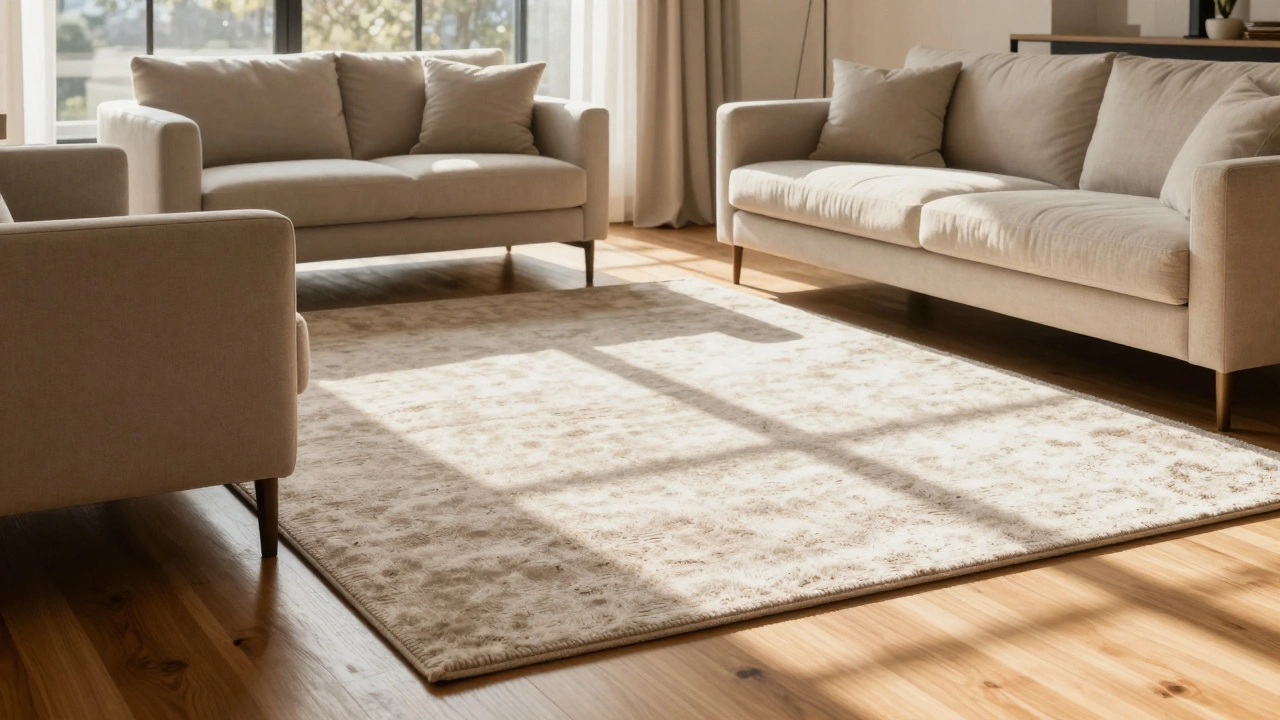
Before you buy that oversized runner, you need to understand the fundamental principle of rug placement. Interior designers generally agree on one key metric: the front legs of your furniture should sit on the rug. This simple rule anchors the furniture arrangement and creates a cohesive "zone" within the room. If your sofa floats entirely off the rug, the space feels disjointed. If it’s entirely on top, it might look like a small island in a sea of fabric.
Why does this matter? Because rugs define function. A dining rug tells you where to eat; a living room rug tells you where to gather. When a rug covers 100% of the floor, it loses its ability to define these zones. It becomes just another layer of flooring rather than a design element. Think of it like framing a painting. You wouldn’t paint the entire wall canvas-colored and then hang a tiny frameless picture. You need contrast and definition.
Consider the traffic flow. If you have a high-traffic entryway or a hallway, a full-floor rug can be a tripping hazard if not secured properly. Area rugs allow you to manage wear and tear. You can vacuum under the edges, replace the rug without redoing the entire floor, and keep the hard surfaces visible for easier cleaning. Wall-to-wall carpets, while comfortable, trap allergens much more deeply and are significantly harder to maintain over time.
When a Large Rug Works (And When It Doesn’t)
There is a difference between a "large" rug and a "full-floor" rug. A large rug that leaves 12 to 18 inches of exposed flooring around the edges is ideal for most living rooms. This border of wood, tile, or stone acts as a visual frame, making the room appear larger and more polished. Here is how different rooms handle scale:
- Living Rooms: Aim for a rug that fits under all furniture legs, or at least the front legs. A 9x12 foot rug is standard for medium-sized living rooms. Going larger than 12x15 feet usually requires custom ordering and significant budget.
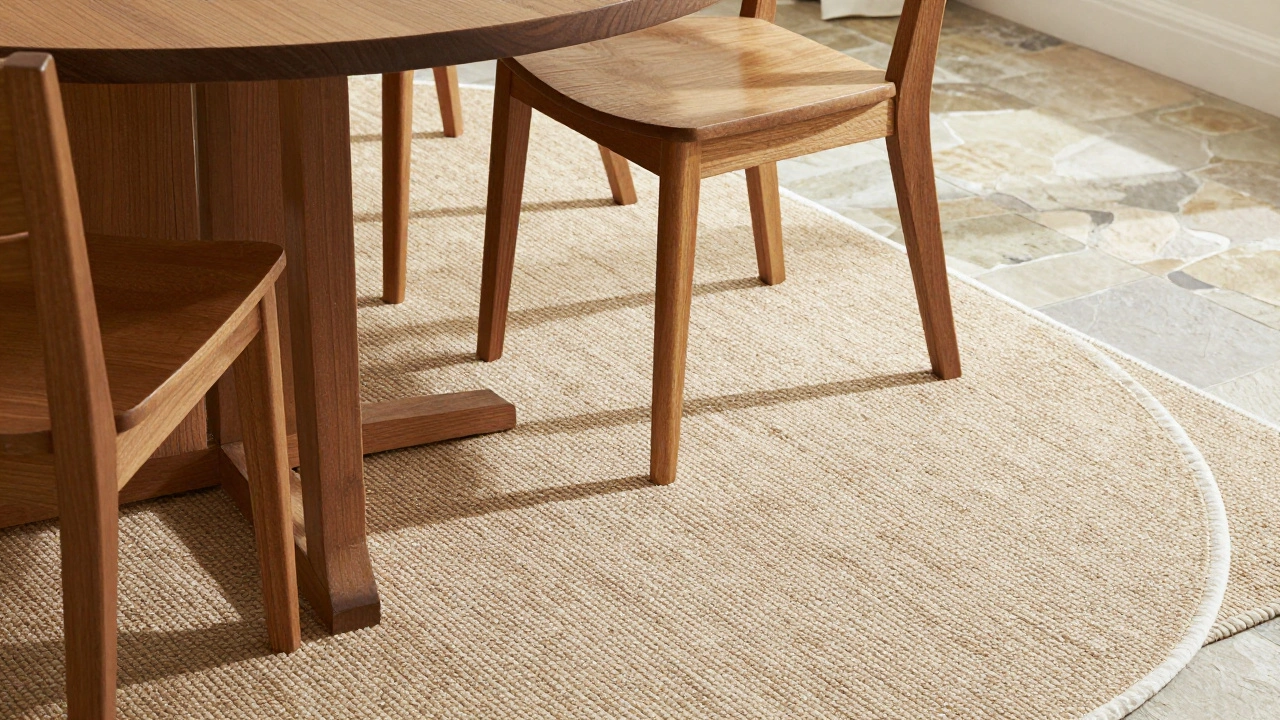
- Dining Rooms: The rug must be large enough that chair legs stay on the rug even when you pull out the chair to sit down. A minimum of 24 inches of rug beyond the table edge is recommended. Filling the whole floor here is acceptable if you want a seamless look, but ensure the material is durable enough for chair movement.
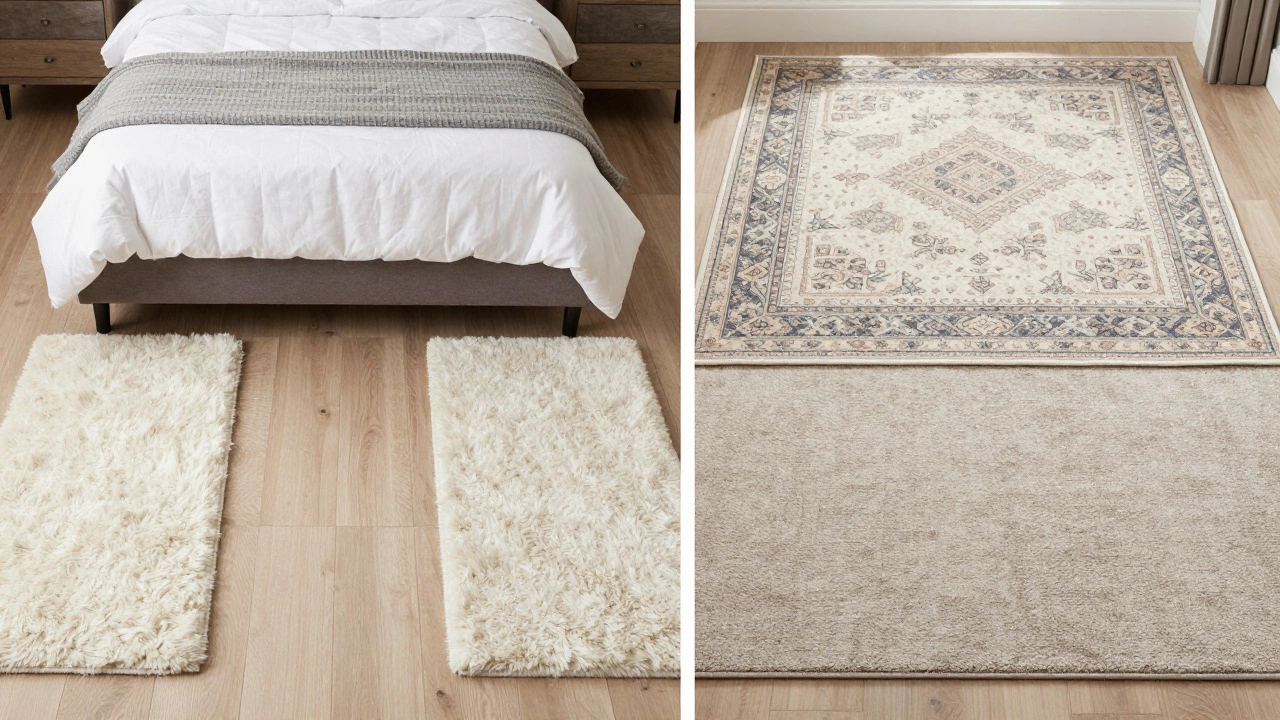
- Bedrooms: Bed skirts often hide the edges of rugs. Many people choose two smaller rugs flanking the bed rather than one giant rug under the entire bed. This is easier to clean and allows the bed to anchor the room without competing with a massive pattern.
- Open Plan Spaces: In studios or loft apartments, a very large rug can help define the living area from the kitchen. However, using two distinct rugs (one for dining, one for lounging) often works better than one massive piece that tries to do everything.
If you live in a small apartment with limited square footage, a rug that fills the floor might actually make the space feel cramped. Exposed flooring reflects light and adds depth. A dark, full-floor rug in a small, windowless room can absorb too much light, making the space feel cave-like. Stick to lighter tones and leave some floor visible.
Material Matters: Durability vs. Aesthetics
If you are considering a rug that covers a significant portion of your floor, the material choice becomes critical. You aren’t just buying decor; you’re investing in a surface that will endure daily foot traffic. Wool is the gold standard for durability and resilience. It naturally repels dirt and can be cleaned repeatedly without losing its texture. Synthetic fibers like polypropylene are cheaper and stain-resistant but may not age as gracefully.
Natural fibers like jute or sisal are popular for their eco-friendly credentials, but they are less suitable for full-floor coverage in high-moisture areas. They can fray at the edges and hold moisture, leading to mold or mildew if the subfloor isn’t perfectly dry. If you’re going for a near-full-floor look, consider a low-pile wool blend or a tightly woven synthetic that mimics the look of natural fiber but offers better performance.
Cleaning is another factor. A rug that covers 80% of your floor means 80% of your vacuuming effort goes into deep-cleaning fibers instead of sweeping hard surfaces. Pet owners should be especially cautious. Full-floor rugs become magnets for hair, dander, and accidents. An area rug allows you to isolate the mess to a manageable zone.
Visual Impact and Proportion
Let’s talk about proportion. A rug that is too small looks like an afterthought-a little mat in the center of a vast room. A rug that is too large can overwhelm the architecture of the room. The goal is balance. Look at the ratio of furniture to floor space. If your sofa is bulky and heavy, a large rug grounds it. If your furniture is airy and minimalist, a smaller rug keeps the lightness intact.
Patterns also play a role. A bold, intricate pattern needs negative space to breathe. If you cover the entire floor with a complex geometric print, the eye has nowhere to rest. It can cause visual fatigue. Solid colors or subtle textures work better for larger coverage areas. They provide warmth without dominating the visual field.
| Room Type | Ideal Rug Coverage | Common Mistakes | Best Material Choice |
|---|---|---|---|
| Living Room | Under front legs of all seating | Rug too small to fit under sofa | Wool or Wool Blend |
| Dining Room | 24+ inches beyond table edges | Chairs slipping off rug when pulled out | Flat-weave or Low-Pile |
| Bedroom | Under bed or flanking sides | Rug bunching under bed skirt | Soft Plush or Cotton |
| Entryway | Full width of door, partial length | Rug covering entire hall, causing tripping | Jute or Coir (Durable) |
Budget Considerations: Custom vs. Standard
Here is the reality check: standard rug sizes rarely match standard room dimensions. Most retailers sell rugs in increments of 3x5, 5x8, 8x10, and 9x12 feet. If your room is 14x16 feet, you’ll either have to settle for a rug that doesn’t quite reach the walls or invest in a custom-made piece. Custom rugs can cost anywhere from $50 to $200 per square foot, depending on the material and craftsmanship. That’s a significant investment.
Before opting for a full-floor custom rug, ask yourself if you really need it. Often, layering two smaller rugs or using a large area rug with a neutral border achieves the same aesthetic effect for a fraction of the price. Layering also adds texture and interest. A large neutral base rug with a smaller, patterned rug on top can define a space without the high cost of a single massive piece.
Resale value is another consideration. Hardwood floors are a selling point in many markets. Covering them completely with a glued-down or taped full-floor rug can obscure the condition of the wood underneath. Buyers want to see the original flooring. Keeping the perimeter visible preserves the appeal of your home’s structure.
Practical Tips for Choosing the Right Size
If you’re still unsure, try this trick before you buy. Use painter’s tape or newspaper to outline the potential rug size on your floor. Walk around the room for a few days. Does it feel spacious? Does it feel cramped? Do you trip over the edges? This physical test reveals what measurements alone cannot. You might find that a slightly smaller rug feels more balanced than the maximum size you thought you wanted.
Also, consider the lighting. Rugs absorb light. If your room has north-facing windows or limited natural light, a dark, full-floor rug will make it darker. Leave some reflective flooring visible to bounce light around the room. Lighter colored rugs paired with exposed wood or tile create a brighter, airier atmosphere.
Finally, think about maintenance. Can you get a professional cleaner into your home to handle a rug that large? Or will you be stuck trying to maneuver a vacuum around immovable furniture? Ease of care should always factor into your decision. A beautiful rug that you’re afraid to clean loses its beauty quickly.
Is it bad to have a rug that covers the entire floor?
Not necessarily bad, but often impractical. Full-floor rugs can make small rooms feel cramped, trap more dust and allergens, and make cleaning difficult. They also hide the underlying flooring, which can reduce resale appeal. For most homes, leaving 12-18 inches of floor exposed is aesthetically superior and easier to maintain.
How big should a living room rug be?
Ideally, the rug should be large enough to fit under the front legs of all major furniture pieces, including the sofa and chairs. For a standard living room, an 8x10 or 9x12 foot rug is common. If your room is larger, aim for a 10x14 or 12x15 foot rug to ensure proper proportion.
Can I use multiple rugs instead of one large one?
Yes, layering rugs is a great alternative. You can place a large, neutral base rug and layer a smaller, patterned rug on top. This adds texture and visual interest while being more cost-effective than a single custom-sized large rug. It also allows for easier replacement of the top layer if it wears out.
What is the best material for a large area rug?
Wool is the best choice for durability, comfort, and natural stain resistance. It handles high traffic well and retains its shape. Synthetic options like polypropylene are good for budget-conscious buyers or high-moisture areas, but they may not feel as luxurious. Avoid natural fibers like jute for large indoor areas unless they are tightly woven and treated.
How do I know if my rug is too small?
If your furniture legs are completely off the rug, or if there is more than 18 inches of exposed floor between the rug edge and the wall, it’s likely too small. A rug that looks like a floating island in the center of the room disrupts the visual flow and makes the space feel disjointed.