Should You Put Furniture on a New Rug? The Ultimate Guide
 Sep, 17 2026
Rug Placement Advisor
Select your rug details below to get personalized advice on waiting times and protection strategies.
Indentation Risk Assessment
Actionable Tips
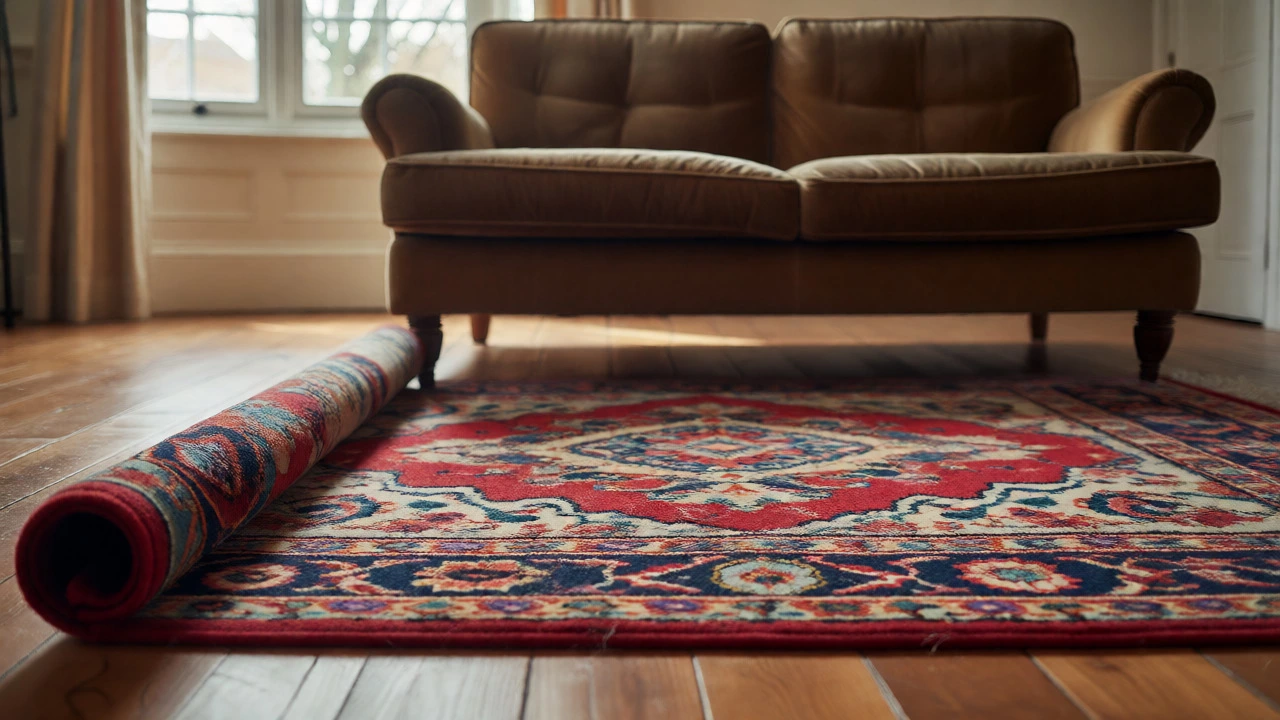
You just unrolled that gorgeous new area rug a textile floor covering used to provide warmth and aesthetic appeal. It looks perfect. But then you hesitate. Do you drag the heavy sofa back onto it immediately? Or do you wait? This isn't just about aesthetics; it's about physics and chemistry. Putting furniture on a new rug too soon can cause permanent damage that no amount of vacuuming will fix.
The short answer is: usually, yes, but with caveats. The long answer involves understanding how rug fibers settle, how weight affects pile density, and what your specific rug material demands. Let’s break down exactly when to place those legs and when to keep them off.
The Myth of the "Settling" Period
Many people believe you need to leave a new rug bare for weeks so it can "settle." In reality, most modern machine-made rugs are ready for use straight out of the box. However, hand-knotted or natural fiber rugs behave differently. They have a higher tendency to shed loose fibers initially. If you put heavy furniture on them right away, you trap these shedding fibers underneath, creating uneven bumps and accelerating wear in specific spots.
For synthetic rugs like nylon or polyester, immediate placement is fine. These materials are resilient and engineered to withstand compression. But if you bought a wool or silk blend, give it 48 to 72 hours of foot traffic before adding static weight. This allows the initial shedding cycle to complete without furniture blocking access to those loose strands.
Understanding Indentations and Compression
The biggest enemy of any rug is furniture indentation permanent flattening of rug pile caused by sustained weight. When a chair leg sits in one spot for months, the fibers beneath it get crushed. Over time, they lose their ability to spring back up. This creates visible dips that look terrible under lighting.
Here is the harsh truth: indentations are often permanent. While steam cleaning can sometimes revive minor dents, deep compression marks from heavy oak tables or leather recliners rarely disappear completely. Therefore, prevention is key. If you plan to keep furniture in fixed positions, you must manage the load distribution.
| Rug Material | Indentation Risk | Recommended Action |
|---|---|---|
| Wool | High | Use coasters; rotate quarterly |
| Synthetic (Polypropylene) | Medium | Standard use; rotate bi-annually |
| Jute/Sisal | Very High | Avoid heavy static furniture; use pads |
| Viscose/Rayon | Extreme | Lightweight furniture only |
The Role of Rug Pads
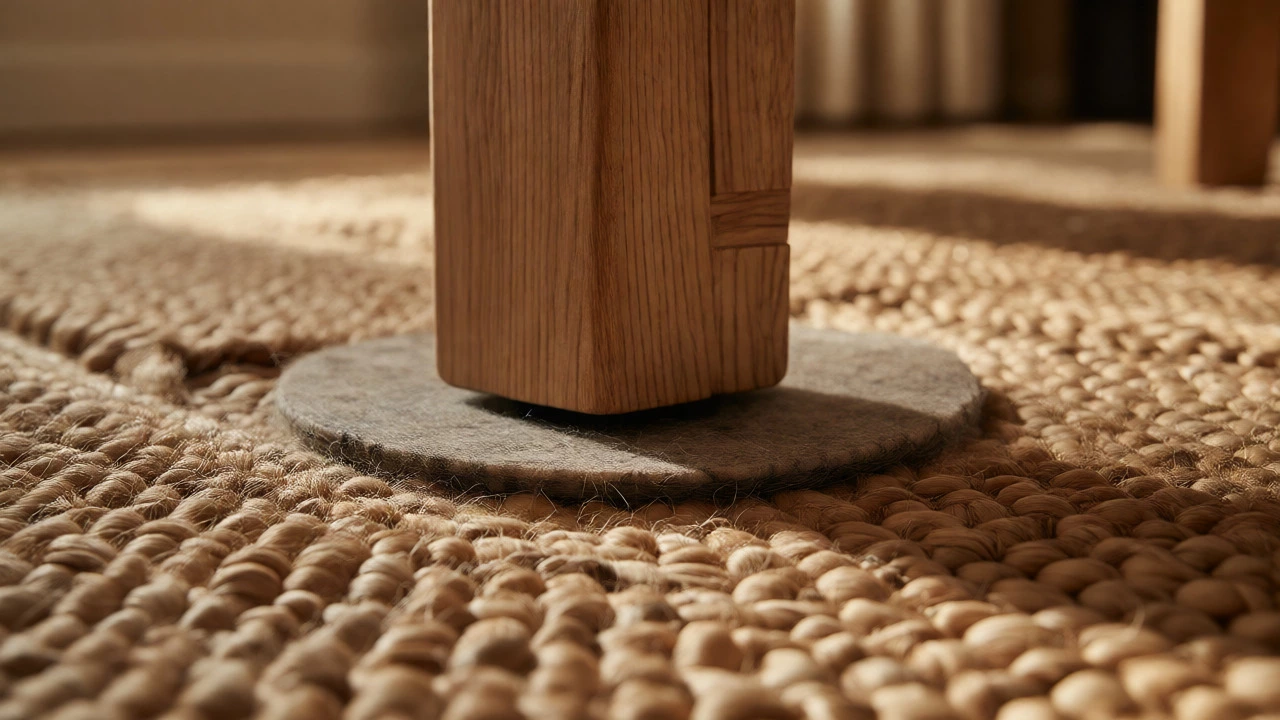
If you’re worried about damage, the solution isn’t leaving the rug empty-it’s using the right rug pad a protective layer placed between the rug and the floor. A high-quality felt-and-rubber pad acts as a shock absorber. It distributes the weight of your furniture more evenly across a wider area, reducing the pressure point directly under each leg.
Not all pads are created equal. For hardwood floors, avoid rubber-backed pads that might discolor the finish over time; opt for natural felt instead. For carpet-on-carpet situations, a thin gripper pad prevents sliding without adding bulk. Remember, a pad also protects the rug’s backing from abrasion against the floor. Think of it as insurance for both your flooring and your rug.
Strategic Placement Tips
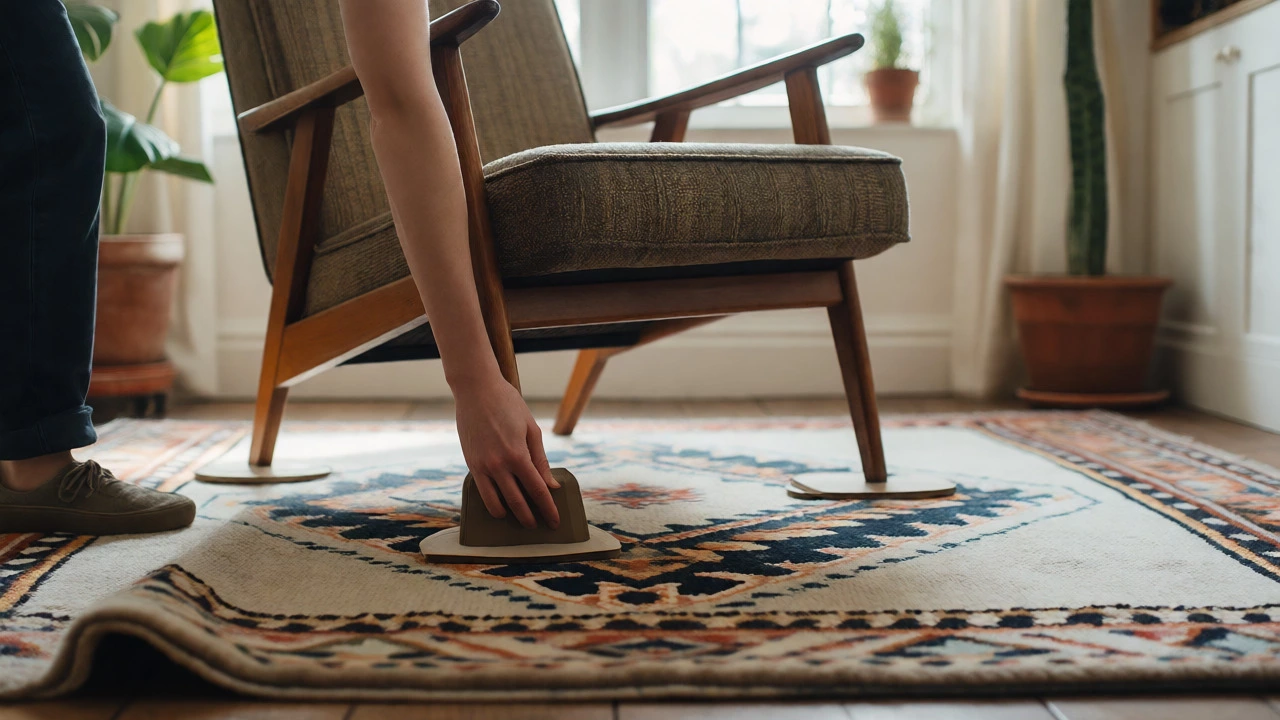
So, you’ve decided to move the furniture on. How do you do it smartly? First, consider the layout. Do not center every piece of furniture squarely on the rug unless it’s designed to be a room anchor. Often, placing just the front legs of sofas and chairs on the rug looks more spacious and reduces the total surface area subjected to constant pressure.
Another trick is rotation. Every three to six months, physically rotate the rug 180 degrees. This ensures that different parts of the rug bear the weight of your furniture. If the coffee table always sits on the left side, that section wears out twice as fast as the right. Rotation evens this out, extending the life of the rug significantly.
- Furniture Coasters: Attach wide plastic or metal coasters to the bottom of chair and table legs. These spread the load and prevent sharp points from digging into the pile.
- Lift, Don’t Drag: Always lift furniture when moving it across a rug. Dragging grinds dirt into the fibers and tears the backing.
- Vacuum Edges: Pay special attention to the edges under furniture legs. Dust accumulates there faster than anywhere else.
Special Considerations for Natural Fibers
Natural fibers like jute a coarse, strong fiber obtained from jute plants and sisal require extra care. These materials are prone to crushing and staining. If you place a heavy dining table on a jute rug, expect noticeable depressions within a year. Some homeowners accept this as part of the rustic charm, while others hate it.
If you love the look of natural fibers but fear the damage, consider layering. Place a smaller, durable synthetic rug or a clear vinyl protector under the main furniture pieces, then lay the jute rug over it. Alternatively, choose a flat-weave kilim instead of a high-pile shag. Flat weaves resist indentation better because there is less pile to crush.
When to Wait Before Placing Furniture
Are there times when you should absolutely wait? Yes. If your rug arrived wet or damp from shipping, let it dry completely in a well-ventilated area before adding weight. Trapped moisture under furniture leads to mold and mildew smells that are nearly impossible to remove.
Also, if you recently cleaned the rug professionally, wait at least 24 hours after it feels dry to the touch. Deep cleaning solutions need time to evaporate fully from the core of the fibers. Premature weight can trap residual moisture and cause color bleeding or odor issues.
Final Verdict: Balance Beauty and Longevity
You don’t need to live in a museum where nothing touches the floor. Use your new rug! But treat it with respect. Understand its material limits. Use pads, use coasters, and rotate regularly. By taking these simple steps, you protect your investment and ensure your rug looks fresh for years, not just months.
Remember, the goal is a cozy, stylish home. Don’t let fear of indentations stop you from enjoying your space. Just be mindful of where you place heavy objects, and your rug will thank you by staying beautiful longer.
How long should I wait to put furniture on a new rug?
For most synthetic rugs, you can place furniture immediately. For natural fibers like wool or jute, wait 48-72 hours to allow initial shedding to occur and be vacuumed away. If the rug was shipped damp, wait until it is completely dry.
Will furniture indentations go away?
Minor indentations may recover with steam cleaning or ice cube tricks. However, deep compressions from heavy furniture are often permanent. Using rug pads and furniture coasters helps prevent them from forming in the first place.
Do I need a rug pad under furniture?
Yes, a rug pad is highly recommended. It distributes weight evenly, prevents slipping, and protects both the rug backing and your floor from scratches and wear.
Can I put heavy furniture on a viscose rug?
It is risky. Viscose (rayon) is delicate and prone to severe crushing and water stains. Use lightweight furniture or avoid placing heavy static items on viscose rugs entirely.
How often should I rotate my rug?
Rotate your rug every 3 to 6 months. This ensures even wear and tear, especially in areas where furniture legs sit permanently.