The Hardest Wearing Rugs: Best Materials for High-Traffic Areas
 Apr, 19 2026
Rug Material Selector Tool
Select your primary concern or room type to find the ideal material:
Material Name
Description goes here.
Quick Guide: Which Rug to Choose?
If you're in a rush, here is the fast track to the right material based on your specific chaos level:
- Pets and Kids: Go for Polypropylene. It's virtually indestructible and resists stains like a pro.
- Formal but Busy: Wool is the gold standard. It bounces back and handles heavy furniture well.
- Outdoor/Mudrooms: Sisal or Jute. They are tough as nails, though a bit scratchier on the toes.
The Heavyweights: Comparing Durable Materials
Not all "durable" rugs are created equal. Some resist stains but flatten quickly; others are tough as boots but soak up spills like a sponge. To find the hardest wearing rug for your space, you have to look at the fiber's molecular structure and how it's woven into the rug.
| Material | Wear Resistance | Stain Resistance | Feel/Texture | Best Use Case |
|---|---|---|---|---|
| Wool | High | Medium | Soft/Plush | Living Rooms |
| Polypropylene | Very High | Very High | Synthetic/Varies | Playrooms/Kitchens |
| Sisal | Extreme | Low | Rough/Coarse | Entryways |
| Nylon | High | High | Springy | Hallways |
Why Wool is the Natural Champion
When people talk about quality, they usually start with Wool. Why? Because wool fibers have a natural crimp. Think of them like tiny springs. When you step on a wool rug, the fibers compress and then pop back up once the pressure is gone. This prevents that "flattened path" look you see in cheap rugs after a few months.
Wool also contains lanolin, a natural wax that repels water and dirt. This gives you a window of time to blot a spill before it sinks into the core of the fiber. However, wool can shed-those little fluffy bits that end up in your vacuum-which is a trade-off for its incredible resilience. If you're putting a rug under a heavy dining table, wool's density prevents the chair legs from leaving permanent indentations.
The Power of Synthetics: Polypropylene and Nylon
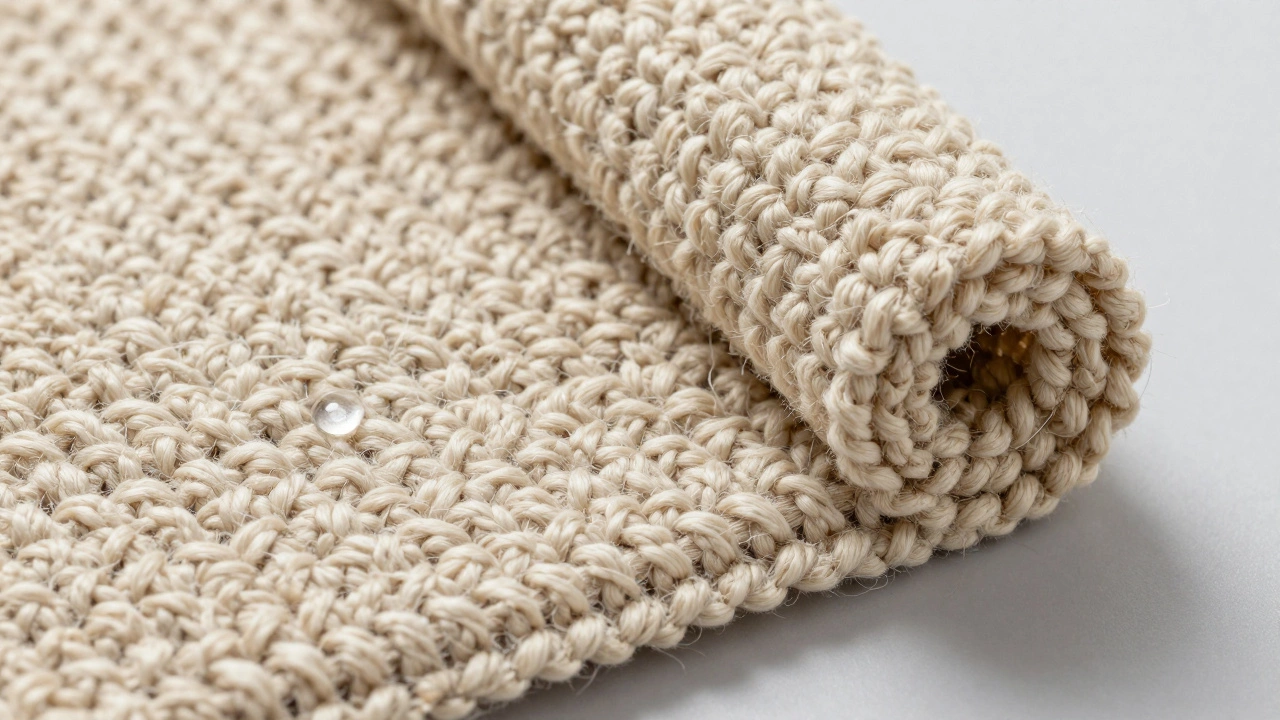
If your home feels more like a zoo than a showroom, natural fibers might not be enough. This is where Polypropylene (often called olefin) comes in. Since it's essentially a plastic polymer, it doesn't absorb moisture. If you spill red wine on a polypropylene rug, it stays on the surface longer, making it much easier to clean without damaging the fiber.
Then there is Nylon. Nylon is the workhorse of the commercial world. If you've ever walked through a hotel lobby or an office building, you're likely walking on nylon. It is incredibly resilient to abrasion. While polypropylene is better for stains, nylon is often better for pure foot-traffic wear. Many high-end "performance' rugs' are actually a blend of these two to give you the best of both worlds: the stain resistance of plastic and the bounce of nylon.
Flatweaves and Natural Fibers for Maximum Toughness
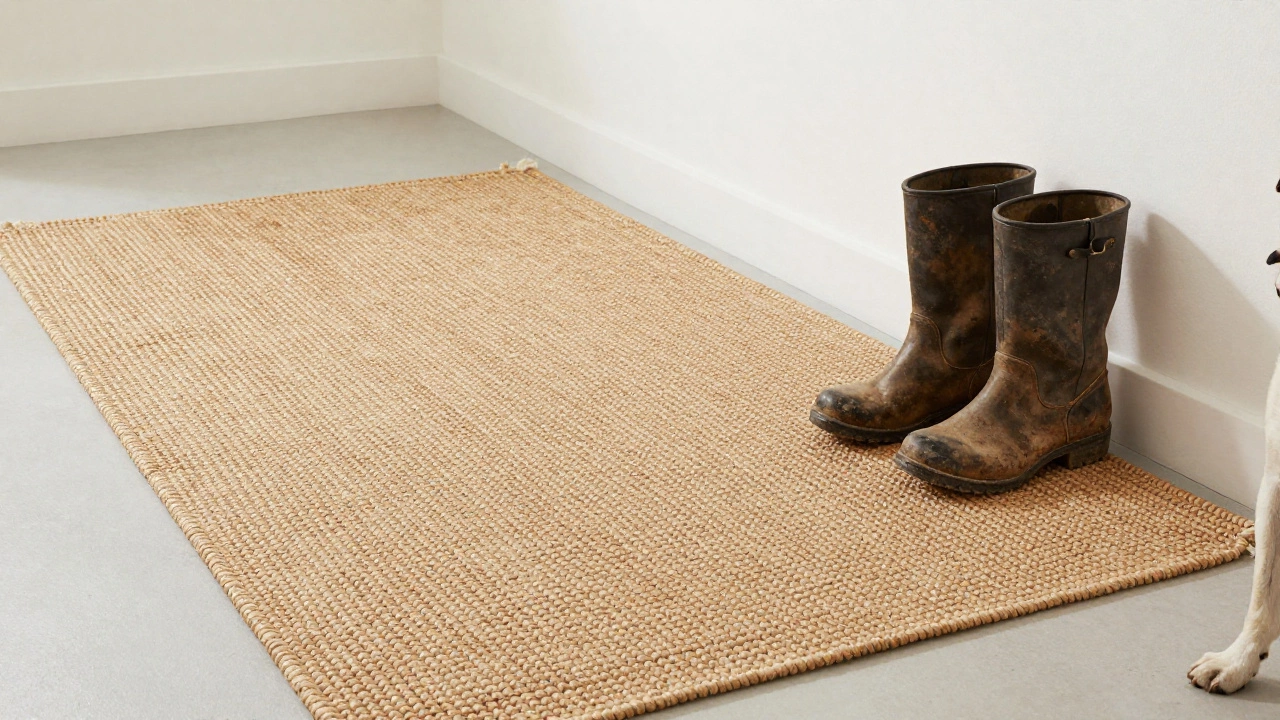
Sometimes, the hardest wearing rug isn't a plush one at all. Sisal, made from the agave plant, is arguably the toughest material available. It's a flatweave, meaning there are no loops or piles to crush. Because the fibers are so stiff, they can withstand an incredible amount of friction. You'll often find these in mudrooms or beach houses where sand and grit would shred a softer rug.
Jute is a similar alternative, though it's softer and more prone to wear than sisal. The big downside to these natural flatweaves? They are a nightmare to clean if you spill something liquid. They absorb moisture quickly, which can lead to browning or mold if not dried immediately. They are the kings of physical wear, but the losers of stain management.
The Role of Weave and Pile Height
The material is only half the battle. The way the rug is constructed determines if it will fray or hold together. A Low Pile rug is almost always more durable than a high pile or shag rug. Why? Simple physics. In a high pile rug, the long fibers are more likely to bend, tangle, and trap dirt deep in the base. A low pile rug keeps the dirt on the surface where your vacuum can actually reach it.
You should also look for "looped" constructions. A looped pile is structurally stronger than a "cut" pile. In a cut pile, the fiber ends are exposed; in a looped pile, the fiber is anchored at both ends, making it much harder to pull a thread loose. If you have pets that like to scratch or dig, a tight loop is your best defense against unsightly snags.
Common Pitfalls to Avoid
Many people buy a rug thinking it's durable because it's heavy, but weight doesn't always equal wear-resistance. Be careful with Viscose or Rayon. These are often mixed into wool rugs to give them a "silky" shine. The problem is that viscose is incredibly fragile. Once it gets wet, the fiber can permanently distort or "crunch," and it's nearly impossible to clean without leaving a watermark. If a rug feels too silky to be true, it might be a durability trap.
Another mistake is ignoring the rug pad. A high-quality Rug Pad doesn't just stop the rug from sliding; it acts as a shock absorber. By taking the brunt of the impact from footsteps, the pad actually extends the life of the rug's fibers, preventing them from being crushed against the hard floor underneath.
Are synthetic rugs actually more durable than wool?
It depends on the type of "durability" you need. For stain resistance and moisture, synthetics like polypropylene win. However, for long-term shape retention and resistance to crushing under furniture, wool is superior because of its natural spring-like fibers.
Which rug is best for a high-traffic hallway?
A low-pile nylon or a wool blend is ideal for hallways. You want something with a tight weave that won't flatten under constant foot traffic and can be vacuumed easily to remove grit that acts like sandpaper on the fibers.
Can I use a sisal rug in a kitchen?
Sisal is great for the physical wear of a kitchen, but it's risky because of spills. Since sisal is highly absorbent and difficult to deep-clean, a polypropylene rug is usually a smarter choice for areas where food and liquids are common.
How do I stop my rug from flattening in high-traffic areas?
The best way is to rotate your rug every 6 to 12 months. By turning it 180 degrees, you shift the points of highest impact, allowing the fibers in the "walkways" to recover and ensuring the rug wears evenly across its entire surface.
Does a denser rug always last longer?
Generally, yes. Density (or "face weight") means there are more fibers per square inch. This distributes the weight of a footstep across more points, meaning each individual fiber takes less stress and is less likely to break or flatten.
Next Steps for Rug Longevity
Once you've chosen your material, the work isn't over. To make any rug last, start with a high-density vacuuming routine. Grit is the enemy; those tiny particles of sand act like little knives that cut through fibers every time you step on them. Vacuuming twice a week, especially in high-traffic zones, is the single best way to prolong a rug's life.
If you've opted for a natural fiber rug, consider a professional cleaning every 18 months. While home cleaners are fine for spots, a professional deep-clean removes the deep-seated dust that causes fiber degradation over time. For those with pets, a fabric protector spray can add an extra layer of defense, but always test a small corner first to ensure it doesn't change the texture of the material.