What Are Cups and Napkins Called? A Guide to Tableware Terminology
 Jun, 1 2026
Tableware Terminology Checker
Select your region and item type, then click "Check Terminology" to see the correct term.
You’re setting the table for a dinner party. You have the plates ready, but what do you call that stack of paper squares next to the water glasses? And are those ceramic vessels you drink coffee from technically cups or mugs? It sounds simple, right? But if you’ve ever walked into a department store aisle labeled “Flatware” only to find forks instead of napkins, you know the terminology can be confusing.
We often use words like "cups," "napkins," and "kitchenware" interchangeably in casual conversation. However, when you’re shopping for home goods, hosting an event, or reading a recipe, precise language matters. Using the right terms helps you find exactly what you need, communicate clearly with staff at restaurants, and understand the hierarchy of items on your dining table. Let’s clear up the confusion once and for all.
The Umbrella Term: What Is Tableware?
Before we break down individual items, we need the big picture. The collective term for everything used to serve, eat, and drink food is tableware. Think of this as the parent category. Underneath it, there are several sub-categories that define specific functions. If you walk into a store looking for "kitchenware," you might end up buying pots and pans. But if you want things for the dining room, you are looking for tableware.
Tableware generally splits into three main groups:
- Dinnerware (or China): Plates, bowls, and serving dishes.
- Hollowware: Items with depth, like cups, mugs, and teapots.
- Flatware (or Cutlery): Utensils like forks, knives, and spoons.
Where do napkins fit? They are technically part of linens or serviettes, which sit alongside tableware but aren’t always grouped under the same retail umbrella. Understanding these buckets makes shopping much less frustrating.
Cups vs. Mugs vs. Glasses: Naming Your Drink Vessels
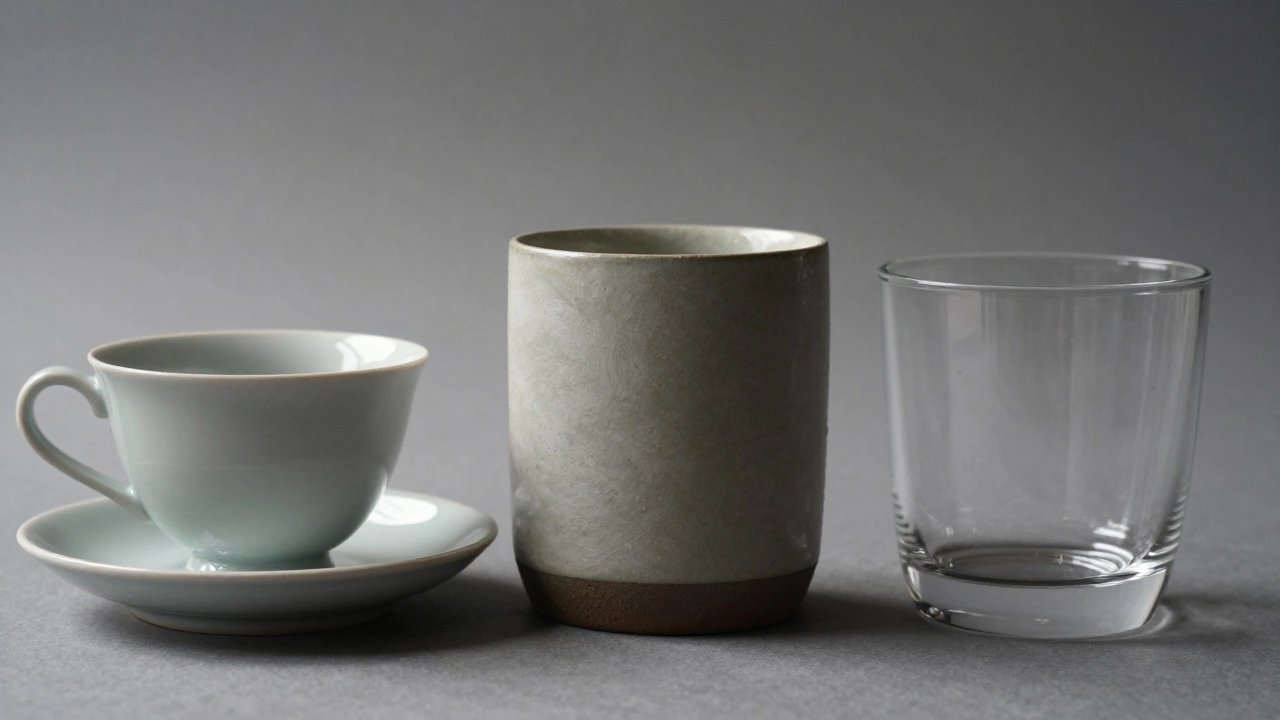
Let’s start with the liquids. We say "cup" for almost everything, but in the world of tableware, a cup is a specific shape. A standard cup usually has a handle and is designed for hot beverages like tea or coffee. It typically holds between 6 to 12 ounces. If the vessel is larger, cylindrical, and has a thick wall, it’s called a mug. Mugs are built for durability and heat retention, often holding 12 to 20 ounces.
But what about cold drinks? Those are glasses. While "glass" refers to the material, in tableware context, it defines any transparent vessel without a handle used for water, juice, wine, or beer. Here is where it gets tricky: a "coffee cup" is ceramic, while a "coffee glass" doesn’t really exist (unless you’re drinking iced coffee).
Then there are specialized vessels:
- Tumbler: A flat-bottomed glass without a stem or handle, used for water or mixed drinks.
- Goblet: A stemmed glass, traditionally for wine or punch.
- Saucer: The small plate placed under a cup to catch drips. You rarely see these anymore, but they are still part of formal tea service.
If you’re buying for a kitchen, knowing the difference ensures you get the right capacity. A mug fits in most microwave racks; a delicate porcelain cup might not.
Napkins, Serviettes, or Handkerchiefs?
This is where regional differences cause the most headaches. In the United States, the word is almost exclusively napkin. In the UK, Australia, New Zealand, and many other Commonwealth countries, the preferred term is serviette. Both refer to the same item: a piece of cloth or paper used to wipe the mouth and hands during a meal.
Why the difference? "Napkin" comes from the Old French *nape*, meaning neckcloth, because originally, people wore cloths around their necks to protect their clothes while eating. Over time, these moved onto the table. "Serviette" also derives from French, relating to service. So, whether you ask for a napkin or a serviette, you’re getting the same thing. Just don’t call it a handkerchief-that’s strictly for blowing your nose, and bringing one to the dinner table is a major faux pas.
Napkins/serviettes come in two main types:
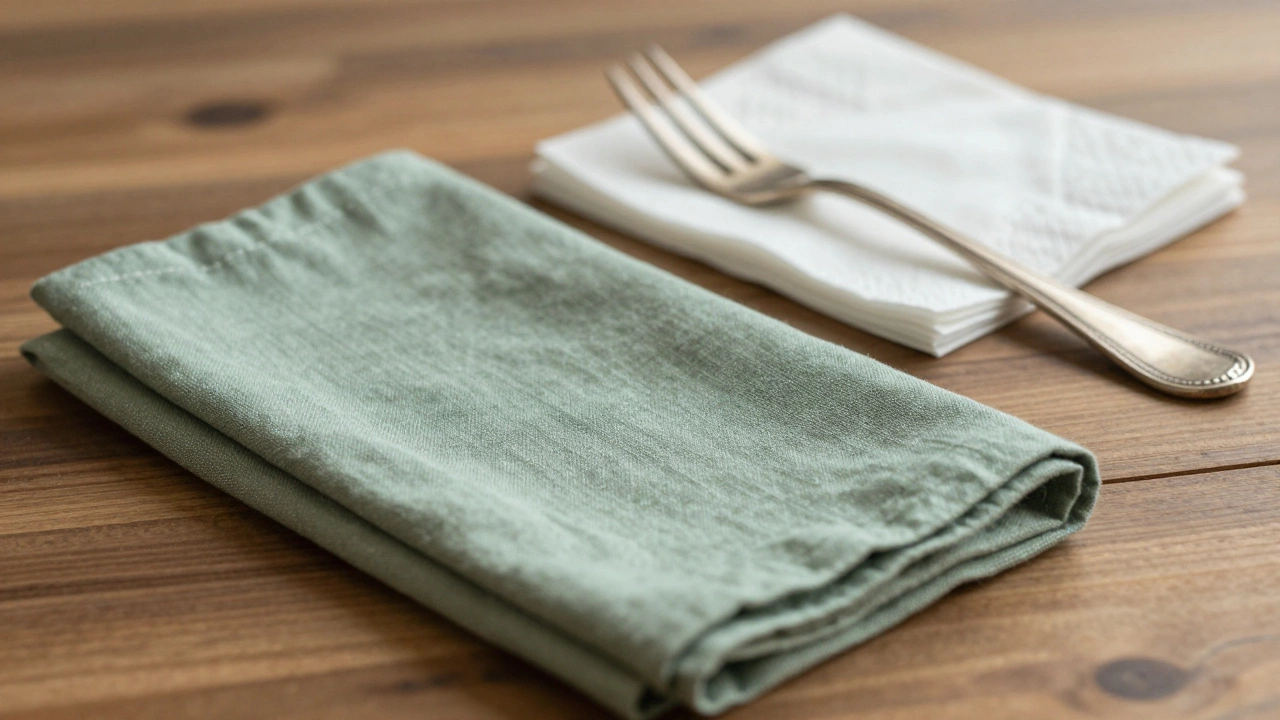
- Paper napkins: Disposable, used for casual meals, takeout, or large parties. They are measured by ply (layers), with higher ply being more durable.
- Cloth napkins: Made from linen, cotton, or polyester blends. These are reusable, foldable, and considered part of formal dining etiquette.
Flatware vs. Cutlery: The Utensil Debate
If you’re from North America, you likely grew up hearing the word flatware. This term emphasizes the shape-these tools are flat and lie flat on the table. If you’re from Europe or the UK, you probably say cutlery, highlighting the original function of cutting meat with knives.
Both terms refer to the same set of tools: forks, knives, and spoons. In professional settings, you might hear the term silverware, even if the utensils are made of stainless steel. This is a holdover from when silver was the standard for fine dining. Today, most household cutlery is stainless steel because it’s durable and rust-resistant.
Within flatware/cutlery, there are specific names for different sizes:
- Dinner fork/knife/spoon: The largest set, used for the main course.
- Salad fork: Slightly smaller than a dinner fork.
- Teaspoon: Small spoon for stirring tea or coffee.
- Dessert spoon/fork: Medium-sized, placed above the plate.
Knowing these distinctions helps when setting a formal table. You work from the outside in: the outermost utensil is for the first course, and you move inward as the meal progresses.
Serveware: The Unsung Heroes of the Table
While dinnerware goes directly to the guest, serveware stays in the center of the table. This includes platters, tureens, gravy boats, and sugar bowls. Serveware is functional decor. It’s designed to hold food before it’s plated or to condiments during the meal.
A common mistake is confusing serveware with dinnerware. For example, a large bowl used to serve pasta is serveware. The individual bowl each person eats from is dinnerware. Similarly, a pitcher used to pour water is serveware, while the glass it pours into is hollowware. When shopping, look for sets that match in style but differ in scale. A cohesive look ties the table together without requiring every single item to be identical.
| Term | Primary Use | Material Examples | Regional Preference |
|---|---|---|---|
| Flatware | Eating utensils | Stainless Steel, Silver | North America |
| Cutlery | Eating utensils | Stainless Steel, Silver | UK, Europe, NZ |
| Napkin | Mouth/hand wiping | Paper, Cotton, Linen | USA, Canada |
| Serviette | Mouth/hand wiping | Paper, Cotton, Linen | UK, NZ, Australia |
| Hollowware | Liquid vessels | Ceramic, Glass, Metal | Global |
Why Does Terminology Matter?
You might wonder why you need to know the difference between a tumbler and a goblet, or flatware and cutlery. Beyond sounding sophisticated, precise language improves functionality. When you read a restaurant menu or a wedding invitation, phrases like "formal dinnerware" or "cloth serviettes" tell you what to expect. If you’re planning an event, specifying "paper napkins" versus "cloth serviettes" changes your budget and cleanup time significantly.
In the hospitality industry, using correct terms streamlines communication. A waiter asking for "cover count" needs to know how many place settings (including napkins and flatware) to prepare. In retail, searching for "stainless steel cutlery" yields different results than "decorative flatware." The former implies everyday use; the latter might include ornate, non-functional pieces.
Furthermore, understanding these categories helps with care and maintenance. Ceramic dinnerware requires different washing techniques than glass hollowware. Cloth serviettes need ironing and stain treatment, while paper napkins are single-use. Knowing the name of the item leads you to the right care instructions.
Setting the Table: Putting It All Together
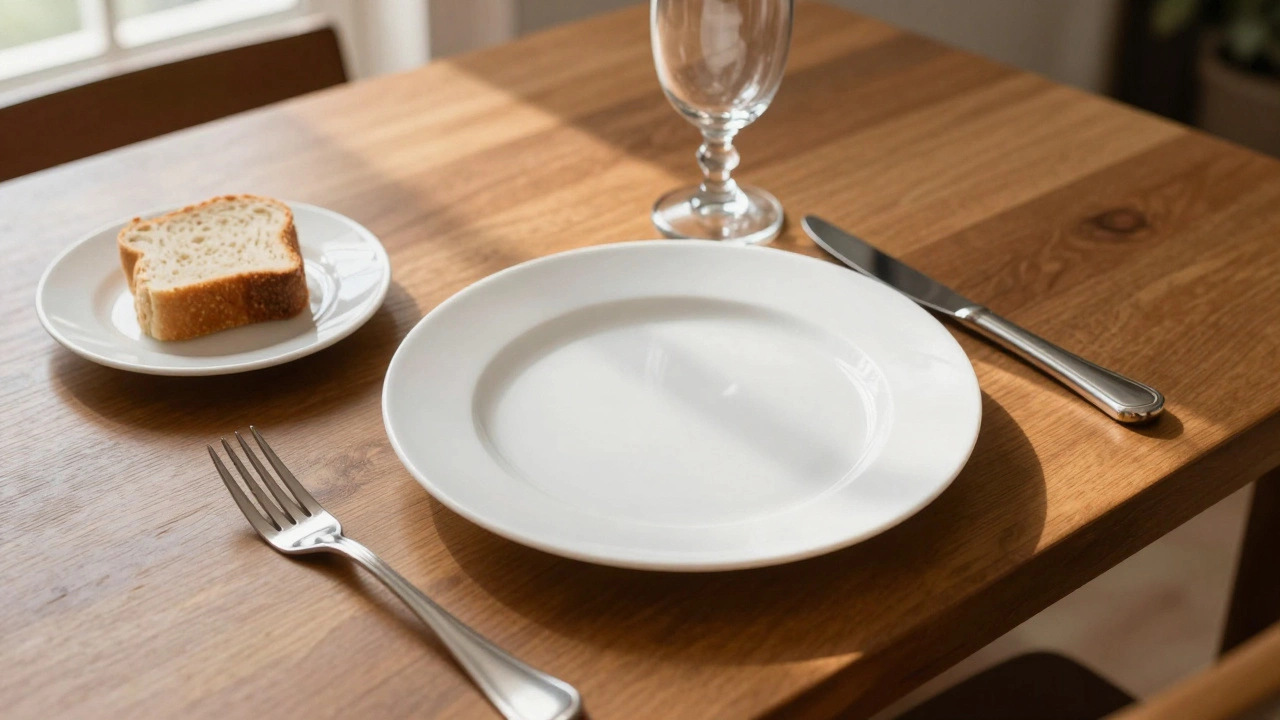
Now that you know the names, let’s look at how they interact. A standard place setting includes:
- Dinner Plate: The base of the setting.
- Bread Plate: Placed to the left of the dinner plate.
- Flatware/Cutlery: Forks on the left, knives and spoons on the right.
- Glassware: Water glass above the knife, wine glasses to the right.
- Napkin/Serviette: Placed on the plate or to the left of the forks.
For a casual meal, you might skip the bread plate and use paper napkins. For a formal dinner, you’d add a salad fork, a dessert spoon, and folded cloth serviettes. The key is consistency. If you use ceramic cups for coffee, match them with ceramic saucers. If you use stainless steel cutlery, ensure it complements the metal tones in your serveware.
Remember, tableware is personal. You don’t need to follow strict rules if you prefer mixing styles. But knowing the vocabulary gives you the power to choose intentionally rather than accidentally. Whether you’re calling them napkins or serviettes, cups or mugs, the goal is the same: to enjoy food and company in comfort.
Is tableware the same as kitchenware?
No, they are related but distinct. Kitchenware refers to tools used for preparing food, such as pots, pans, knives, and mixers. Tableware refers to items used for serving and eating food, such as plates, cups, and napkins. While both belong in the kitchen, their functions differ.
What is the difference between flatware and cutlery?
There is no functional difference. Flatware is the term commonly used in North America, emphasizing the flat shape of the utensils. Cutlery is the term used in the UK, Europe, and other regions, emphasizing the cutting function of knives. Both refer to forks, knives, and spoons.
Are napkins and serviettes the same thing?
Yes, they are the same item. Napkin is the preferred term in the United States, while serviette is used in the UK, New Zealand, Australia, and other Commonwealth countries. Both refer to cloth or paper squares used for wiping hands and mouths during meals.
What is hollowware?
Hollowware refers to tableware items that have depth and are used for holding liquids or semi-liquids. This includes cups, mugs, teapots, coffee pots, and pitchers. It is distinct from flatware (utensils) and dinnerware (plates).
What is the difference between a cup and a mug?
A cup is typically smaller, often made of ceramic or porcelain, and designed for hot beverages like tea or coffee. It usually has a handle. A mug is larger, thicker-walled, and often cylindrical, designed to hold more liquid and retain heat better. Mugs are also more durable for everyday use.
What is serveware?
Serveware includes items used to present food on the table before it is served to individuals. Examples include platters, tureens, gravy boats, sugar bowls, and pitchers. Unlike dinnerware, serveware is not typically eaten from directly by guests.
Why are some utensils called silverware?
The term silverware is a historical holdover from when fine dining utensils were made of solid silver. Today, most household utensils are made of stainless steel, but the name persists. It is synonymous with flatware or cutlery in casual conversation.
Can I use paper napkins for formal dinners?
Generally, no. Formal dinners traditionally use cloth napkins (serviettes) made from linen or cotton. Paper napkins are considered casual and are best suited for informal gatherings, picnics, or large events where laundering is impractical.