What Is a Thin Bedspread Called? Complete Guide to Lightweight Bedding
 Jun, 7 2026
Find Your Perfect Thin Bedding
Answer 3 simple questions to discover the best lightweight bedding for your bedroom.
Recommendation
Best MatchDescription goes here.
Why this works for you:
Material Recommendation:
Based on your preferences...
How other options compare:
You know the feeling. It’s summer, or maybe your bedroom runs hot, and that heavy, chunky comforter you love in winter feels like wearing a wool coat indoors. You want coverage, but not the weight. You look for something thin, breathable, and easy to tuck in, but when you search online, the terms get confusing. Is it a coverlet? A quilt? A light duvet? The answer isn't just one word; it depends on how the item is constructed and what you actually need it for.
Generally, a thin bedspread is most accurately called a coverlet. However, depending on the weave, material, and whether it has a filling, it might also be referred to as a lightweight quilt, a throw, or a single-layer duvet insert. Understanding these distinctions helps you pick the right layer for your sleep style without overheating at 3 AM.
Quick Summary: What are the names for thin bedding?
- Coverlet: A single-layer, woven fabric with no filling. This is the standard term for a thin bedspread.
- Lightweight Quilt: Three layers (top, batting, backing) stitched together, but with very thin batting.
- Throw Blanket: Small, decorative blankets often made of linen or cotton blends.
- Summer Duvet: A duvet insert with low tog ratings (1.0-4.5) designed for warm weather.
The Coverlet: The Classic Thin Bedspread
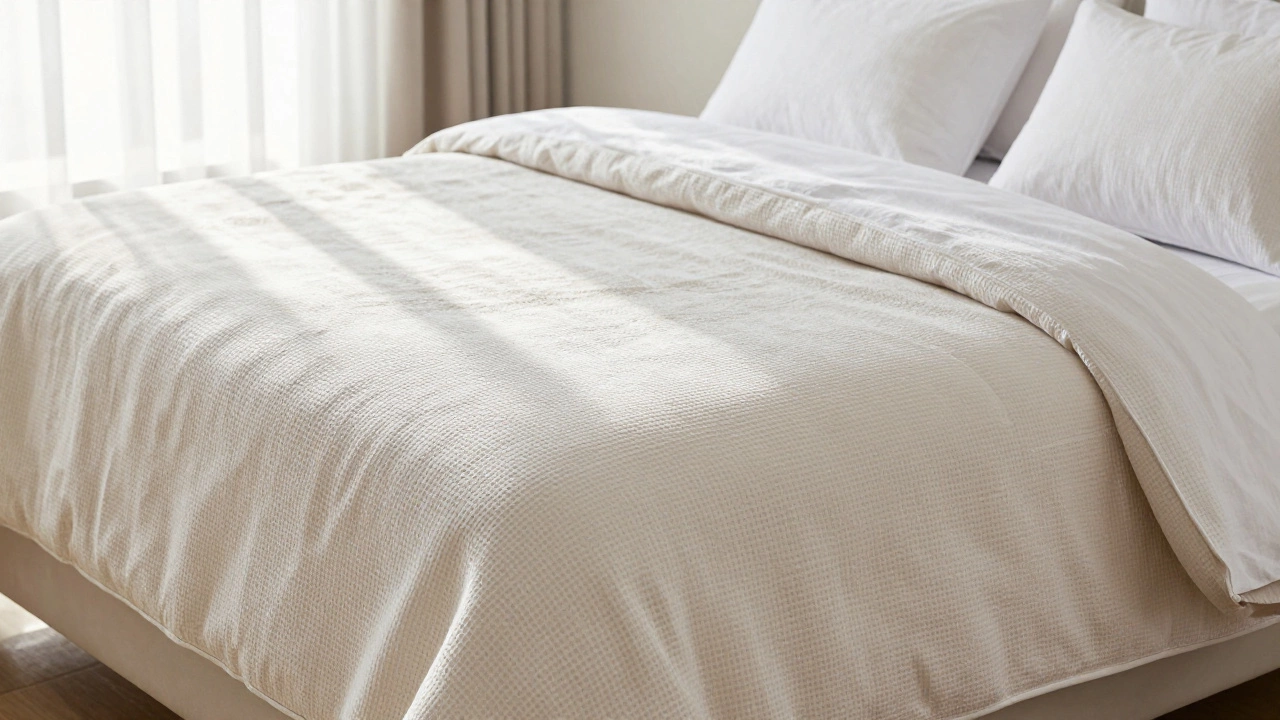
If you are looking for the traditional definition of a thin bedspread, the word you want is Coverlet, which is a single-layer bed covering made from woven fabric such as cotton, linen, or silk, without any insulating filling. Unlike a comforter or a standard duvet, a coverlet has no "fluff." It is essentially a large piece of fabric, often featuring intricate weaves like jacquard or matelassé, that sits directly on top of your sheets.
Why do people choose coverlets? First, they are incredibly easy to maintain. Because there is no stuffing to shift around or clump up, you can usually toss a coverlet in the washing machine and dryer without worry. Second, they are perfect for layering. In spring and autumn, you might use a coverlet alone. In winter, you can place a heavier duvet underneath it for texture and warmth.
Coverlets typically come in standard sizes that match your mattress (Twin, Queen, King), but unlike fitted sheets, they are meant to drape over the sides. If you prefer a crisp, hotel-like look where the bedding doesn’t pool on the floor, a coverlet is your best bet. They are less bulky than spreads, making them ideal for rooms with lower ceilings or smaller spaces where visual weight matters.
Quilts vs. Coverlets: Spotting the Difference
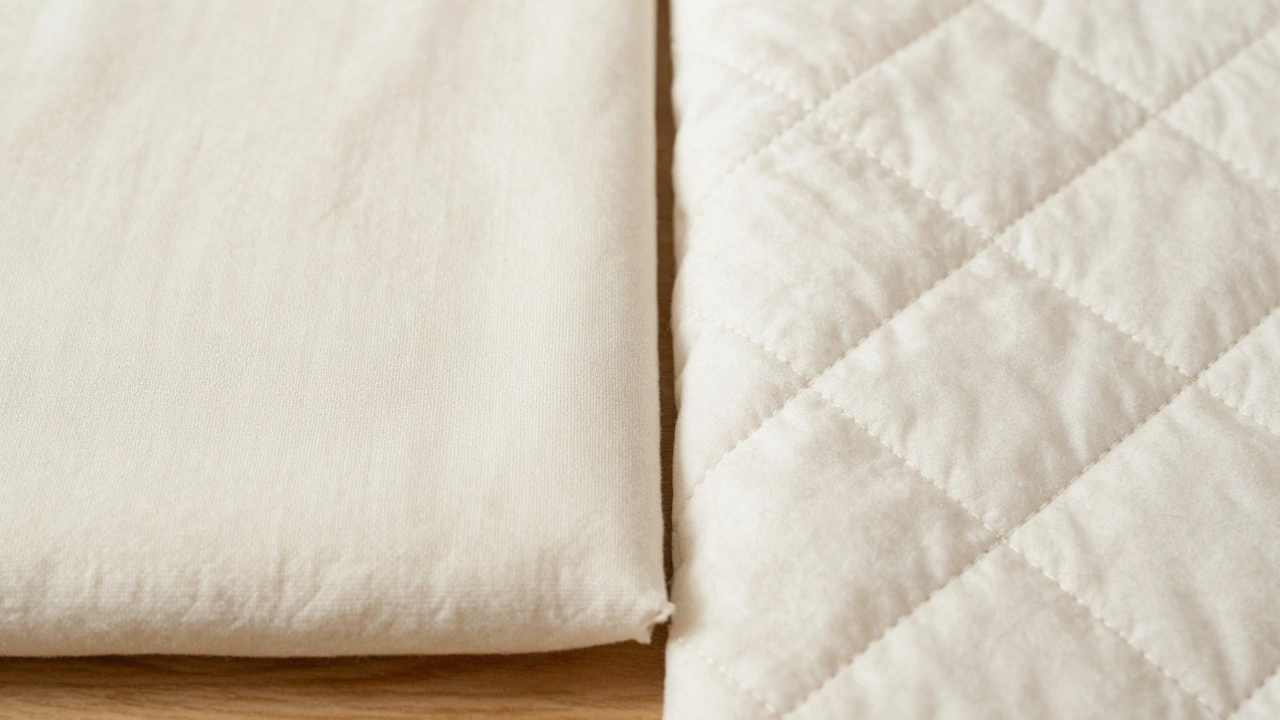
This is where most shoppers get tripped up. People often use "quilt" and "coverlet" interchangeably, but they are structurally different. A Quilt consists of three layers: a decorative top fabric, a middle layer of batting (insulation), and a bottom backing fabric, all stitched together in patterns. Even a "lightweight" quilt has that middle batting layer, which adds some loft and warmth.
If you touch a coverlet, it feels like a heavy towel or a tablecloth-flat and uniform. If you touch a quilt, you feel slight thickness and stitching channels. For pure heat regulation, a coverlet wins because air flows through the single layer easily. However, if you have cold feet or tend to kick off covers, a lightweight quilt provides just enough thermal retention to keep you comfortable without sweating.
Handmade quilts, often associated with family heirlooms, are thicker due to the patchwork technique. Machine-made modern quilts can be quite thin, mimicking the look of a coverlet but with the structural integrity of three layers. When shopping, check the product description for "batting." If it mentions batting, it’s a quilt. If it says "woven" or "single ply," it’s a coverlet.
Lightweight Duvets: The Modern Alternative
In recent years, the concept of the "duvet" has expanded beyond thick winter inserts. Many brands now sell Summer Duvets, which are duvet inserts filled with hollow fibers, down alternative, or lightweight natural down, designed specifically for warm climates. These are technically not "bedspreads" in the traditional sense because they go inside a removable cover, but they serve the same function: providing a thin layer of warmth.
To understand how thin a duvet is, you need to look at the "tog" rating. Tog measures thermal insulation. A winter duvet might be 13.5 tog, while a summer duvet ranges from 1.0 to 4.5 tog. A 1.0 tog duvet is extremely thin, almost like a weighted sheet but lighter. If you hate the idea of a separate cover and insert, a lightweight duvet might still feel more substantial than a flat coverlet, offering a bit more cushioning when you lie down.
The advantage of a lightweight duvet over a coverlet is versatility. As the seasons change, you can swap the insert for a warmer one without buying a whole new set of bedding. With a coverlet, you are stuck with that specific level of warmth year-round unless you layer other items on top.
Throw Blankets: Decorative and Functional
Sometimes, what you’re calling a "thin bedspread" is actually a Throw Blanket, which is a small, lightweight blanket used primarily for decoration or extra warmth on sofas and chairs, but increasingly popular on beds for styling. Throws are significantly smaller than bedspreads, usually measuring around 50x60 inches. They don’t cover the whole bed; instead, they are draped over the foot of the bed or folded neatly on a corner.
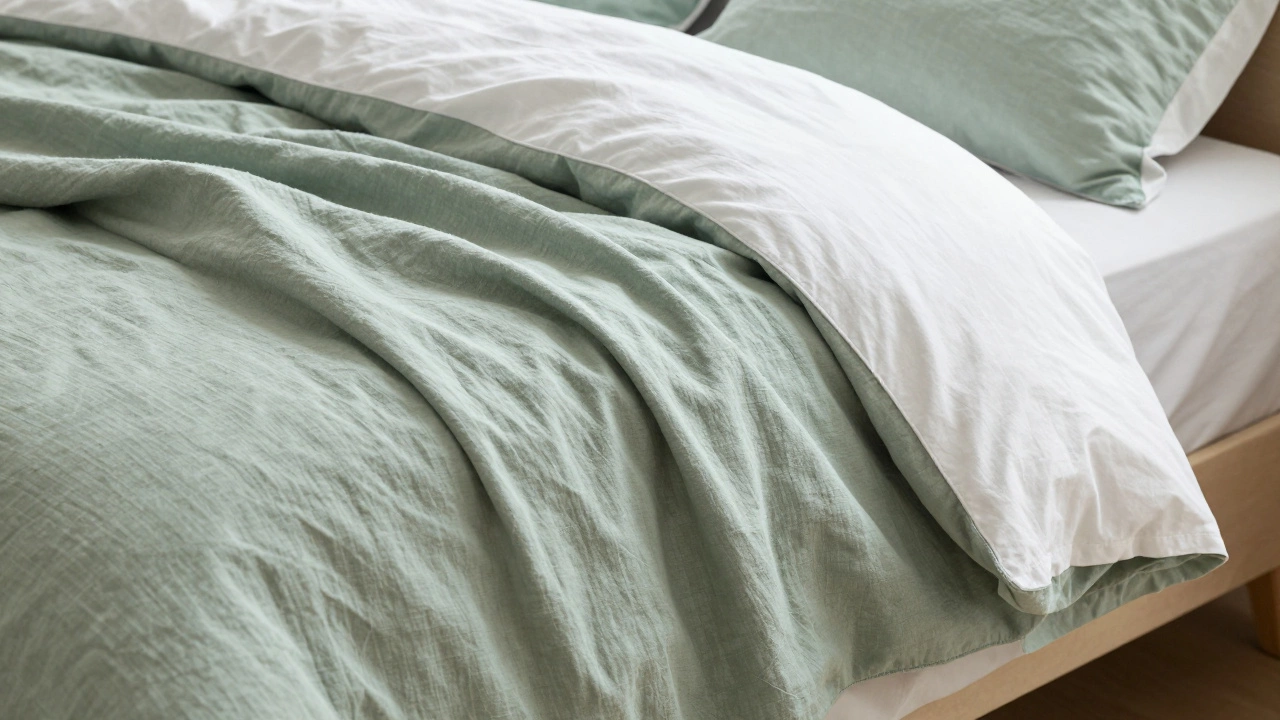
Throws are often made from materials like linen, bamboo, or lightweight cotton knits. Linen throws, in particular, have surged in popularity for their ability to breathe. They start out stiff but soften with every wash, becoming incredibly cool to the touch. If your goal is aesthetic rather than full-body coverage, a throw allows you to add color and texture without overwhelming the bed.
Using a throw as a primary bed covering only works if you live in a very warm climate or use air conditioning heavily. For most people, a throw is an accent piece. It’s the jewelry of the bedroom, not the outfit.
Material Matters: Choosing the Right Fabric
The name of the item tells you its structure, but the material tells you how it will feel. For thin bedding, breathability is key. Here are the top contenders:
- Cotton: The gold standard. Breathable, durable, and easy to wash. Percale cotton is particularly crisp and cool, similar to a high-thread-count sheet.
- Linen: Made from flax plants, linen is highly absorbent and wicks moisture away from the body. It gets softer over time and is excellent for hot sleepers.
- Bamboo: Often marketed as eco-friendly, bamboo viscose is silky smooth and temperature-regulating. It feels cooler than cotton against the skin.
- Silk: Luxury option. Silk coverlets are incredibly thin and smooth, reducing friction on hair and skin. However, they require delicate care and are expensive.
Avoid polyester blends if you prioritize cooling. While synthetic fabrics can be engineered to be lightweight, they often trap heat and moisture, leading to that sticky feeling in the middle of the night. Natural fibers allow air circulation, which is crucial for thin bedding to perform well.
Comparison Table: Thin Bedding Options
| Type | Layers | Warmth Level | Best For | Care |
|---|---|---|---|---|
| Coverlet | 1 (Woven) | Low | Layering, Hot Sleepers | Machine Wash/Dry |
| Lightweight Quilt | 3 (With thin batting) | Medium-Low | All-season use | Machine Wash (Gentle) |
| Summer Duvet | Insert + Cover | Adjustable (1-4.5 Tog) | Versatility | Spot Clean Insert, Wash Cover |
| Throw | 1 or 2 | Low (Partial Coverage) | Decor/Accents | Machine Wash |
How to Style Thin Bedding
Thin bedding requires a slightly different approach to styling than bulky comforters. Because they lack volume, they can sometimes look "flat" if not arranged correctly. The secret is layering. Start with a fitted sheet and a flat sheet. Then, add your thin bedspread (coverlet or quilt). If you want more depth, fold a heavier blanket or a textured throw across the foot of the bed. This creates visual interest and gives you options to adjust your warmth throughout the night.
Color coordination also plays a bigger role with thin bedding. Since the fabric is closer to your skin and visible throughout the day, choose colors that complement your room’s palette. Neutral tones like beige, white, and grey offer timeless elegance, while bold patterns can make a simple coverlet the focal point of the room.
Frequently Asked Questions
Is a coverlet the same as a bedspread?
Not exactly. A traditional bedspread is often a single piece that covers the entire bed, including pillows, and may have some padding. A coverlet is strictly a single-layer, unpadded woven fabric that sits on top of the sheets. Coverlets are thinner and lighter than most traditional bedspreads.
Can I put a thin bedspread in the dryer?
Most cotton and linen coverlets and lightweight quilts are machine washable and dryer-safe. Check the care label first. Use a low heat setting to prevent shrinkage, especially for natural fibers like linen and cotton. Avoid high heat for silk or bamboo blends.
What is the difference between a quilt and a comforter?
A comforter is a thick, fluffy bedding item filled with synthetic or down insulation, designed to be used alone or under a cover. A quilt is stitched through all three layers (top, batting, bottom) to keep the filling in place. Quilts are generally flatter and lighter than comforters.
Are coverlets good for hot sleepers?
Yes, coverlets are excellent for hot sleepers. Because they are single-layer and often made from breathable fabrics like cotton or linen, they allow maximum airflow. They provide coverage without trapping body heat.
Do I need a duvet cover for a summer duvet?
It is highly recommended. A duvet cover protects the insert from sweat, oils, and dirt, making it easier to clean. You can wash the cover frequently while only washing the insert occasionally. Using a cover also extends the life of the duvet.