What Is Better Than a Couch? Top Alternatives for Modern Living
 Jun, 18 2026
Find Your Perfect Couch Alternative
Answer these three questions to discover which seating solution fits your life best.
Result Title
95% MatchSummary text goes here.
Pro Tip:
Advice text goes here.
You’ve probably sat on one every day of your life. The couch is the undisputed king of the living room. It’s comfortable, familiar, and everywhere. But here’s the thing: it isn’t always the best solution for your space or your lifestyle. If you’re wondering what is better than a couch, you aren’t alone. Many homeowners are rethinking their main seating because standard sofas can be bulky, inflexible, and sometimes just plain boring.
Maybe your apartment feels cramped. Maybe you host guests who need to sleep over. Or perhaps you just want something that looks more interesting than a box with cushions. There are several furniture pieces that outperform the traditional sofa in specific scenarios. Let’s look at the options that might actually serve you better.
The Modular Sofa: Flexibility Over Form
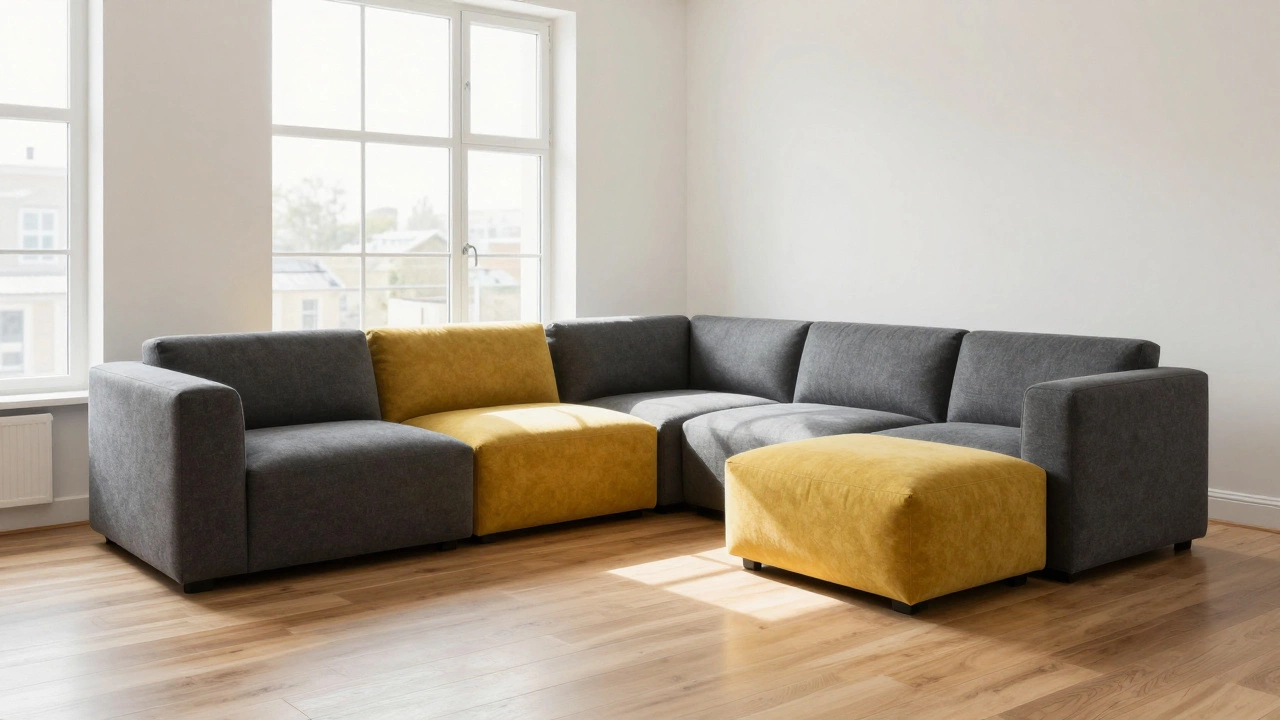
If you hate being stuck with a fixed shape, a modular sofa is a seating system made of individual units that can be rearranged into various configurations. Unlike a traditional couch, which is a single rigid piece, modular seating lets you build your own layout. You can create an L-shape, a U-shape, or even separate islands of seating.
This is huge for open-plan living spaces common in modern Auckland apartments. You can move the sections around if you renovate or change your mind about the room flow. Need extra seating for a party? Add another module. Want to turn part of the sofa into a chaise lounge for reading? Just rotate a piece. The downside is that high-quality modular systems can be pricey, and cheap ones often feel unstable when moved frequently.
The Daybed: Two-in-One Efficiency
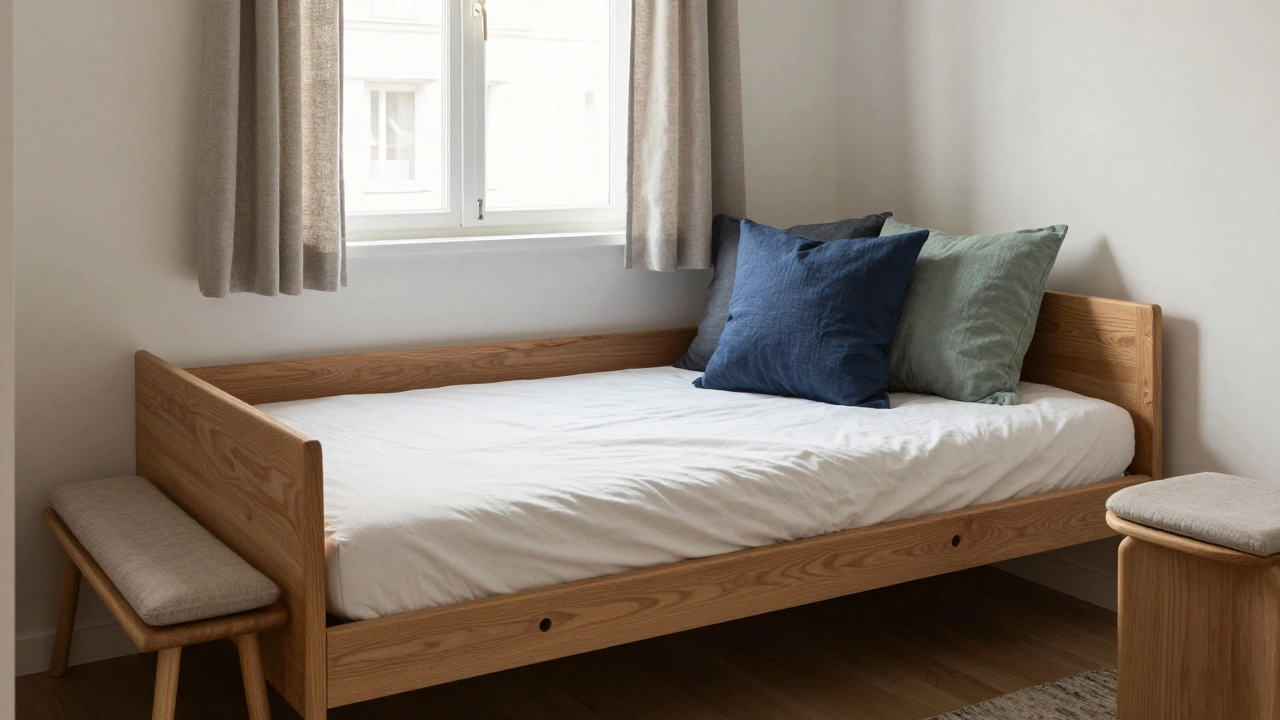
Space is expensive. In cities like Auckland, every square meter counts. A daybed is a piece of furniture designed to function as both a seat during the day and a bed at night. Traditionally found in nurseries or sunrooms, daybeds have evolved into stylish living room staples.
They are significantly narrower than most couches, making them perfect for small studios or narrow hallways used as sitting areas. When a friend visits and you don’t have a spare bedroom, the daybed becomes a guest bed instantly. Look for models with sturdy wooden frames and thick mattresses rather than thin cushions, which sag quickly. Pair it with decorative pillows, and it passes off as a chic lounge chair until bedtime.
The Sectional: Comfort Without Compromise
Some people ask what is better than a couch, but they really just want a bigger couch. That’s where the sectional sofa comes in. While technically a type of couch, sectionals offer distinct advantages over standard three-seaters. They provide more linear seating capacity and often include corner chaises that allow you to lie down fully stretched out.
For families or frequent entertainers, this is the ultimate comfort upgrade. You can fit four or five people comfortably without anyone feeling squeezed. The key is choosing the right configuration for your room size. An L-shaped sectional fits neatly into corners, while a U-shaped one creates a cozy conversation pit. However, be careful not to overwhelm a small room; measure your space twice before buying.
The Futon: Budget-Friendly Versatility
If cost is your primary concern, a futon is a Japanese-style mattress placed on the floor or a simple frame that folds out into a bed. Modern futons have shed their dorm-room reputation. High-end versions feature solid wood frames and premium foam mattresses that rival hotel beds.
Futons are incredibly versatile. You can prop them up for lounging, sit upright for watching TV, or flatten them completely for sleeping. They take up minimal visual space because they lack the deep arms and heavy backrests of traditional sofas. This makes rooms feel larger and airier. Just ensure you get a model with a good hinge mechanism; cheap hinges break after a few months of folding.
Bench Seating: Minimalist and Airy
Sometimes, less is more. Bench seating offers a sleek, minimalist alternative to bulky upholstered furniture. A bench seat is a long, narrow seat typically without a back or arms, often made of wood or metal. Adding cushions transforms it into a comfortable spot for casual sitting.
Benches are excellent for entryways, dining nooks, or as secondary seating in a large living room. Because they lack backs and arms, they don’t block sightlines, making small spaces feel more open. You can easily swap out cushion covers to match seasonal decor changes. They are also easier to clean since there are fewer fabric crevices for dust and pet hair to hide in.

Loungers and Chaises: Style Statements
If you prioritize aesthetics over pure utility, consider standalone loungers or chaises. These pieces are designed for relaxation and style rather than group seating. A chaise longue is an elongated seat that supports the body from head to toe. Originating in ancient Egypt and Greece, these chairs have become symbols of luxury and leisure.
Placing two chaises facing each other creates an intimate conversation area without the bulk of a full sofa. They work beautifully in bedrooms, reading nooks, or beside windows. Loungers often have unique shapes and fabrics that act as focal points in a room. They encourage slow, relaxed sitting rather than the perched posture common on stiff office-style chairs.
| Furniture Type | Best For | Space Efficiency | Comfort Level | Price Range |
|---|---|---|---|---|
| Modular Sofa | Flexible layouts, open plans | Medium | d>High | $800 - $3,000+ |
| Daybed | Small spaces, guest rooms | High | Medium-High | $400 - $1,500 |
| Sectional | Families, entertaining | Low (bulky) | Very High | $1,000 - $5,000+ |
| Futon | Budget buyers, multi-use rooms | High | Medium | $200 - $800 |
| Bench Seat | Minimalist design, entryways | Very High | Low-Medium | $150 - $600 |
| Chaise/Lounger | Style, relaxation, reading | Medium | High | $300 - $1,200 |
How to Choose the Right Alternative
Picking the right replacement depends on your daily habits. Ask yourself how you use your current couch. Do you watch movies alone? A chaise or lounger might suit you better. Do you have kids jumping around? A durable sectional with stain-resistant fabric is wise. Do you live in a tiny studio? A daybed or futon saves crucial floor space.
Consider the material too. Leather is easy to wipe clean but can get hot in summer. Fabric is cozy but traps odors. Wood benches are durable but require cushions for comfort. Measure your room carefully. Leave at least 30 centimeters of walking space around any seating arrangement. Test the furniture in person if possible. Sitting on a showroom model gives you a real sense of depth and firmness that photos cannot convey.
Mixing and Matching for Unique Spaces
You don’t have to choose just one option. Many designers mix different types of seating to create dynamic rooms. A combination of a small loveseat, two armchairs, and an ottoman offers flexibility similar to a modular system but with more visual interest. This approach allows you to update individual pieces over time rather than replacing an entire massive sofa.
Think about color and texture. Mixing a velvet chaise with a linen bench adds depth to the room. Using different heights keeps the eye moving. Avoid matching sets unless you want a very formal look. Eclectic combinations feel more personal and lived-in. Just ensure the styles complement each other-modern wood benches pair well with contemporary modular sofas, while ornate chaises fit better with classic armchairs.
Is a sectional sofa considered better than a regular couch?
It depends on your needs. Sectionals offer more seating and lounging space, making them ideal for families and large rooms. Regular couches are easier to move and fit better in smaller spaces. If you value maximum comfort and hosting capacity, a sectional is likely better. If you prefer simplicity and mobility, stick with a standard couch.
Can a daybed replace a sofa in a living room?
Yes, especially in small apartments or studios. Daybeds save space and double as guest beds. To make it work, add plenty of throw pillows and a blanket to mimic the look of a sofa. Ensure the mattress is thick enough for comfortable daytime sitting, otherwise, it will feel too hard.
Are modular sofas worth the extra cost?
For many people, yes. The ability to rearrange the seating configuration adds long-term value. If you plan to stay in your home for several years, the flexibility justifies the price. However, if you move frequently, the weight and complexity of modular pieces might be inconvenient. Check reviews for durability before investing.
What is the most space-saving seating option?
Bench seats and futons are generally the most space-efficient. Benches have no backs or arms, allowing them to fit tightly against walls. Futons fold flat and can be stored vertically if needed. Both options free up floor space compared to bulky traditional sofas.
How do I maintain a leather chaise versus a fabric sofa?
Leather requires occasional conditioning to prevent cracking and drying out. Wipe spills immediately with a damp cloth. Fabric sofas need regular vacuuming to remove dust and debris. Use fabric protector sprays to guard against stains. Leather is easier to clean but shows scratches; fabric hides wear better but absorbs odors.