What is the Cheapest Method of Storage? A Practical Guide to Saving Space and Money
 Jun, 21 2026
Cheapest Storage Method Calculator
Select Your Items
Select the types of items you need to store:
Choose Strategy
Select the approach you want to calculate:
Analysis Results
Estimated Cost
Space Efficiency
Durability
Comparison Breakdown
| Method | Upfront Cost | Monthly Cost | Best For |
|---|
Clutter has a way of creeping into every corner of your home until you can’t walk across the living room without tripping over a shoebox. We all want that clean, minimalist look we see on social media, but the price tag for designer furniture is often prohibitive for most households usually keeps us from achieving it. You might be asking yourself what the absolute cheapest method of storage is. The honest answer? It isn’t buying something new at all. It’s rethinking what you already own.
Most people assume that solving a storage problem requires a trip to the hardware store or an online order for plastic bins. But true budget-friendly storage relies on vertical space, repurposing existing items, and eliminating the need for containers entirely by using the architecture of your home. Whether you are dealing with a tiny apartment in Auckland or a sprawling house with too much stuff, the principles remain the same: use gravity, use walls, and stop paying for packaging you don’t need.
The Zero-Cost Approach: Verticality and Gravity
Before you spend a single dollar, look up. The floor is expensive real estate; the walls above eye level are free. Most of us underutilize the space between our countertops and the ceiling, or the area above door frames. This is where the concept of vertical storage is using wall height to maximize capacity without consuming floor space comes into play.
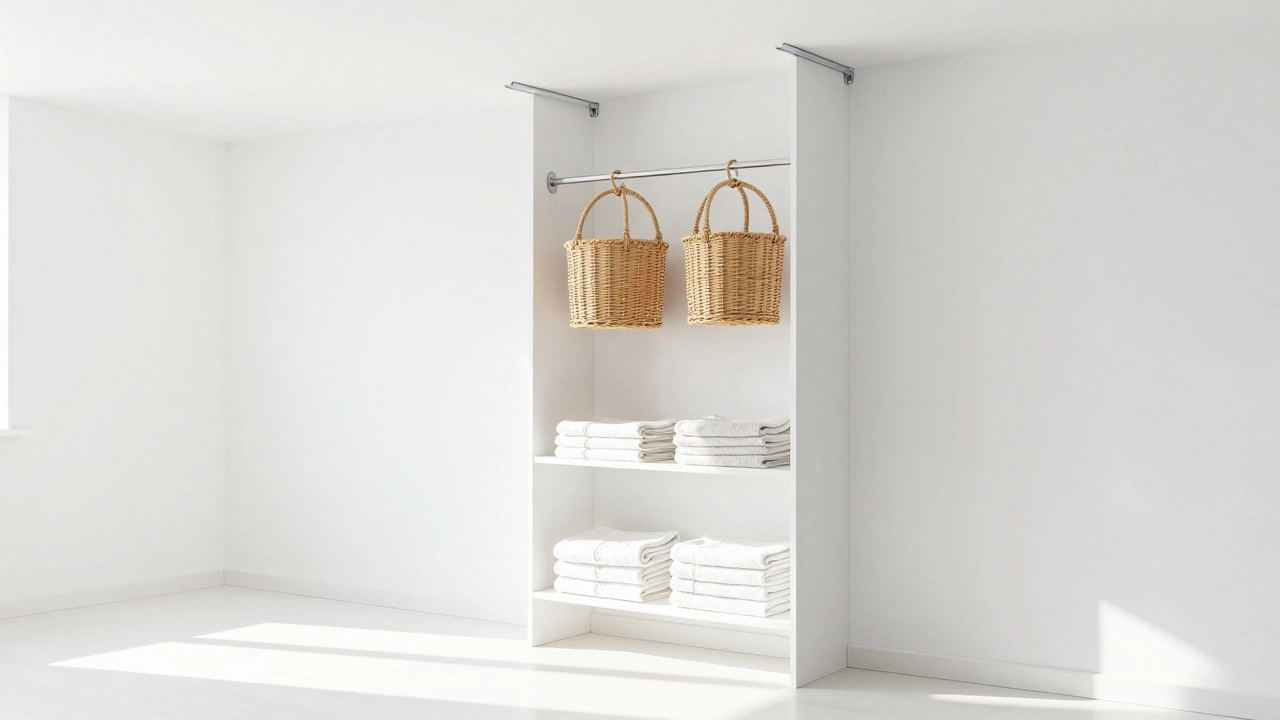
If you have bare walls, consider installing simple tension rods. These are incredibly cheap-often costing just a few dollars-and they can hold surprising amounts of weight if anchored correctly. Use them inside cabinets to double your shelf space, or place one horizontally near the ceiling to hang lightweight baskets or even coats. Another zero-cost trick is to rearrange your current furniture. Move heavy bookshelves or wardrobes against exterior walls where insulation allows for deeper placement, or stack sturdy boxes directly on top of each other rather than buying a unit to hold them. If the boxes are uniform and stable, they become their own shelving system.
- Use door backs: Over-the-door hooks are cheap, but simply hanging bags or organizers on existing doorknobs utilizes space you never thought about.
- Stack smartly: Place heavier items on the bottom and lighter ones on top when stacking boxes. This creates stability without needing brackets or glue.
- Utilize dead corners: Those awkward triangular spaces next to fridges or stairs can fit narrow rolling carts or tall, thin shelves made from reclaimed wood.
Repurposing What You Already Own
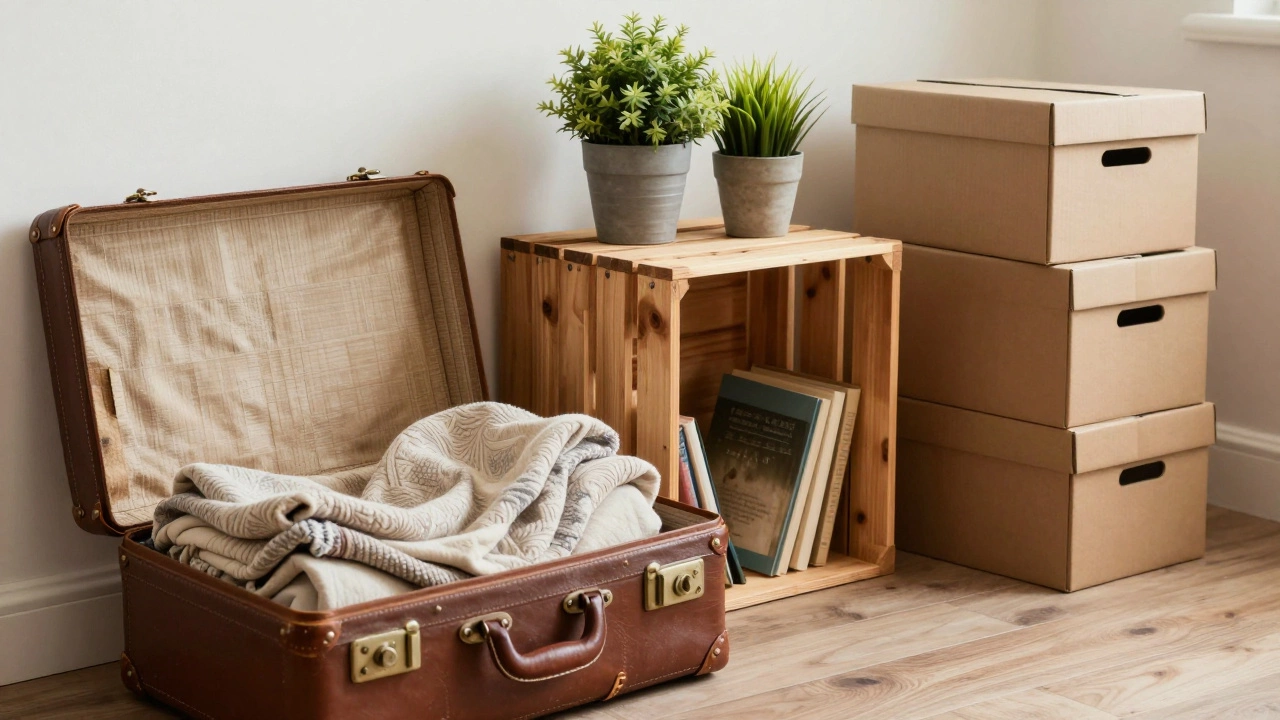
The second cheapest method of storage is taking items out of their original context. We live in a throwaway culture, but many discarded objects make excellent storage vessels. Think about the last time you bought a large appliance or a piece of electronics. That cardboard box, once reinforced, is a perfect container for seasonal decorations or off-season clothing.
Old suitcases are another goldmine. Instead of letting them gather dust in the attic, line them with fabric and use them as chest drawers. They have built-in handles and lids, which solves two common storage problems: portability and protection from dust. Similarly, wooden crates from grocery stores or wine deliveries can be screwed together to form modular shelving units. Unlike particle board furniture, these crates are durable and can be painted to match your decor.
| Storage Type | Estimated Cost | Durability | Aesthetic Appeal |
|---|---|---|---|
| New Plastic Bins | $10-$30 per bin | High (if quality) | Uniform, clean |
| Cardboard Boxes | $0 (Free) | Low (moisture sensitive) | Rough, industrial |
| Wooden Crates | $0-$5 (if sourced locally) | Medium-High | Rustic, customizable |
| Old Suitcases | $0 (if owned) / $5-$15 (second-hand) | High | Vintage, stylish |
When repurposing, remember that aesthetics matter less than function in pure budget scenarios. However, painting a set of mismatched jars white can turn them into chic kitchen spice holders. The key is consistency. If you mix materials, try to unify them with color or placement. A row of different-sized tin cans painted matte black looks intentional; scattered randomly, it looks like trash.
Budget-Friendly Retail Strategies
Sometimes you do need to buy something. In that case, the cheapest method of storage involves knowing where to look. Big-box retailers often sell storage solutions at inflated prices because they market them as "organization systems." Strip away the branding, and you’re just buying plastic or metal.
Discount stores like Kmart, Target, or local variety shops offer basic hangers, clips, and small bins for a fraction of the cost. For larger items, check Facebook Marketplace, Gumtree, or local buy-nothing groups. People frequently give away perfectly good shelving units, dressers, and bookcases when moving house. The only cost here is your time and the effort to transport the item. If you have a vehicle, this is arguably the best value-for-money strategy available.
Another pro tip is to buy in bulk but not for the same purpose. Sometimes, purchasing a large pack of generic zip-lock bags or vacuum-seal rolls is cheaper per unit than buying specialized storage containers. Vacuum sealing itself is a powerful tool. By removing air, you reduce the volume of bulky items like winter jackets or duvets by up to 80%. This means you need fewer shelves and smaller closets, indirectly saving money on future furniture purchases.
Digital Decluttering: The Invisible Storage Saver
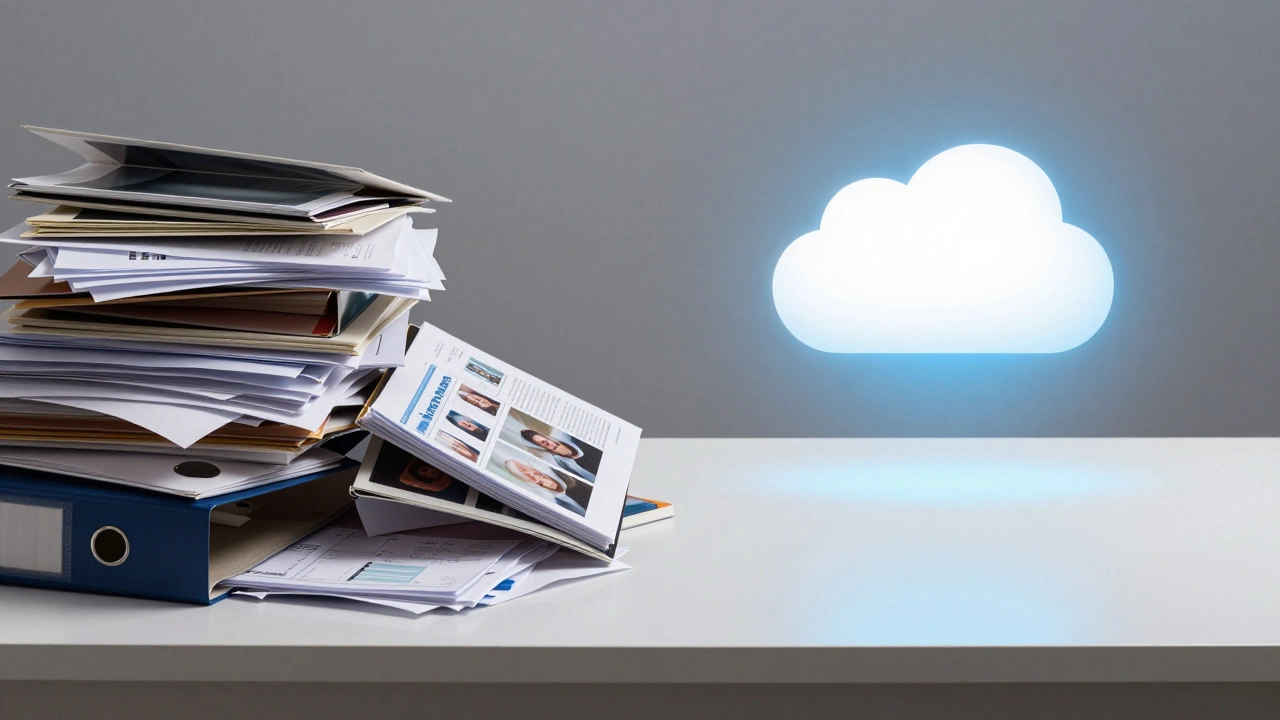
We often forget that physical clutter is linked to digital hoarding. Printing documents, keeping old manuals, and storing physical photos take up significant space. The cheapest way to free up physical room is to digitize. Scan paper records and store them in cloud services like Google Drive or OneDrive, which offer generous free tiers. Delete duplicate photos and videos from your phone and hard drives.
This doesn’t just save drawer space; it reduces the anxiety associated with losing important documents. When you move information to the cloud, you eliminate the need for filing cabinets, binders, and photo albums. This is a one-time effort that pays dividends in permanent space savings. Just ensure you have a reliable backup plan, as digital loss can be just as frustrating as physical loss.
Common Pitfalls to Avoid
In the rush to save money, some people fall into traps that end up costing more in the long run. Buying cheap, flimsy wire racks that rust within a year is a classic example. While the upfront cost is low, the replacement cost adds up. Always prioritize structural integrity over initial price. A slightly more expensive wooden shelf that lasts ten years is cheaper than three cheap plastic ones that break in three years.
Another mistake is over-buying containers before decluttering. Many people buy beautiful baskets and bins, then fill them with junk they don’t need. This is called "containerizing clutter." It hides the problem but doesn’t solve it. Always purge first. Get rid of items you haven’t used in the past year. Only then should you invest in storage for what remains. This ensures you are paying for utility, not decoration.
Is renting a self-storage unit ever the cheapest option?
Generally, no. Self-storage units range from $50 to $200+ per month depending on size and location. Unless you are in the middle of a move or renovation, the monthly fees will quickly exceed the cost of buying or building DIY storage solutions. Renting is a temporary fix, not a budget-friendly long-term strategy.
What is the best material for cheap, durable storage?
Reclaimed wood and metal are the best options for durability. Wood can be sanded and repainted, while metal resists pests and moisture better than cardboard or untreated wood. Avoid thin plastic for heavy items as it cracks easily under pressure.
How can I store items in a rental property without damaging walls?
Use tension rods, freestanding shelving units, and adhesive hooks rated for your item's weight. Command strips are a popular choice for renters because they remove cleanly without leaving holes. Floor-standing racks require no installation at all.
Does vacuum sealing damage clothes?
Vacuum sealing can cause permanent creases in delicate fabrics like silk or wool if left compressed for months. It is safe for cottons, linens, and synthetic blends. For natural fibers, consider folding them loosely in breathable cotton bags instead of vacuum bags to maintain their shape.
Where can I find free storage boxes in Auckland?
Check local supermarket recycling areas for sturdy produce crates. Additionally, community groups on Facebook such as "Auckland Buy Nothing" or "Freecycle Auckland" often have posts offering free cardboard boxes, wooden pallets, and plastic bins from businesses clearing out stock.