What Is the Difference Between Bed Sheets and Bedding?
 Dec, 15 2025
Bedding Needs Calculator
Answer a few questions to find out what you actually need to buy for your bed setup. Avoid costly mistakes and get the right products for your sleep needs.
Your Recommendation
Why This Matters
Understanding the difference between sheets and bedding prevents costly mistakes. For example:
- ✓ If you buy a "bedding set" expecting just sheets, you might get a comforter you don't need
- ✓ If you buy sheets but don't get a duvet cover, your comforter gets ruined faster
- ✓ Using a flat sheet as a blanket won't keep you warm enough in cold climates
People often use the words bed sheets and bedding like they mean the same thing. But they don’t. Confusing them can lead to buying the wrong stuff, mismatched sets, or even a sleep setup that doesn’t work right. So let’s clear this up once and for all.
Bed Sheets Are Just One Part of Bedding
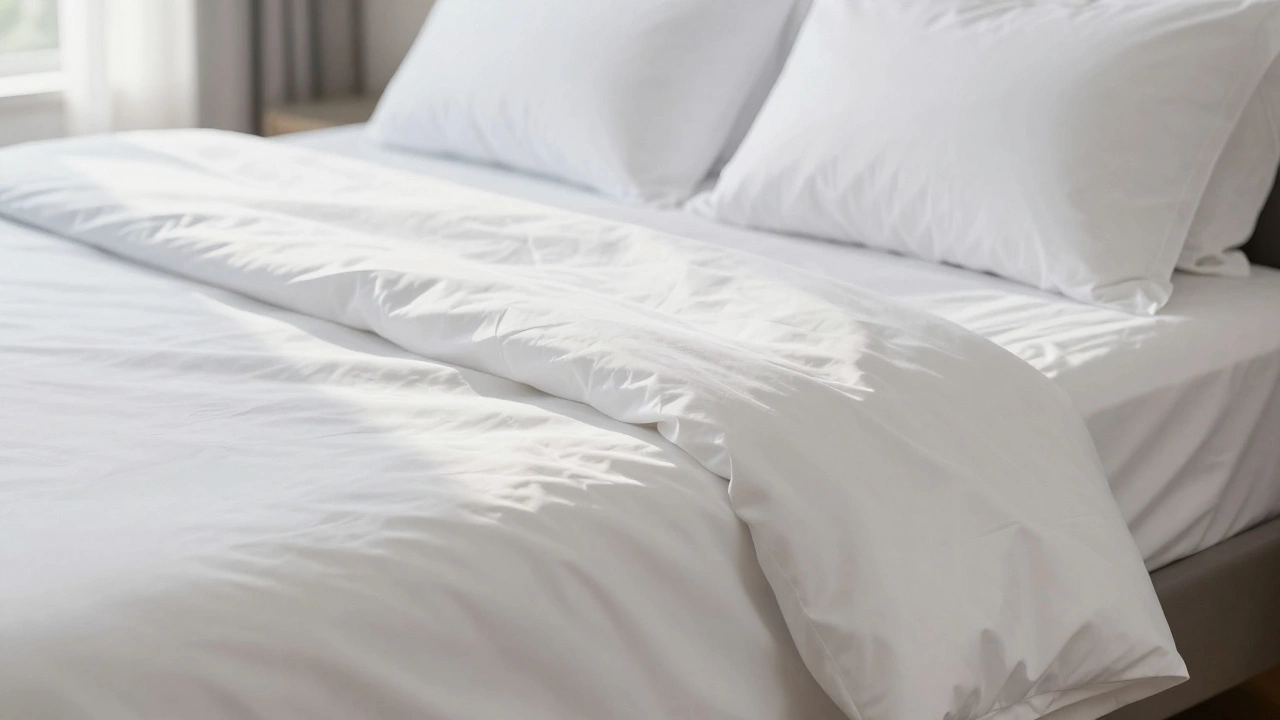
Bed sheets are the thin, flat pieces of fabric that go directly on your mattress. You’ve got the fitted sheet - the one with elastic corners that hugs the mattress - and the flat sheet, which lies on top of it. Then there are pillowcases, which cover your pillows. That’s it. Bed sheets are functional, lightweight, and meant to be changed weekly. They’re the layer closest to your skin, so material matters. Cotton, linen, bamboo, or microfiber? Each affects how cool, soft, or breathable your sleep feels.
But here’s the thing: bed sheets alone don’t make up your whole bed. They’re just the base layer. Think of them like underwear - necessary, but not the whole outfit.
Bedding Is the Whole System
Bedding is everything you put on the bed to make it comfortable, warm, and visually pleasing. That includes:
- Bed sheets (fitted and flat)
- Pillowcases
- Blankets
- Comforters or duvets
- Duvet covers
- Bedspreads
- Throw blankets
- Bed skirts (optional)
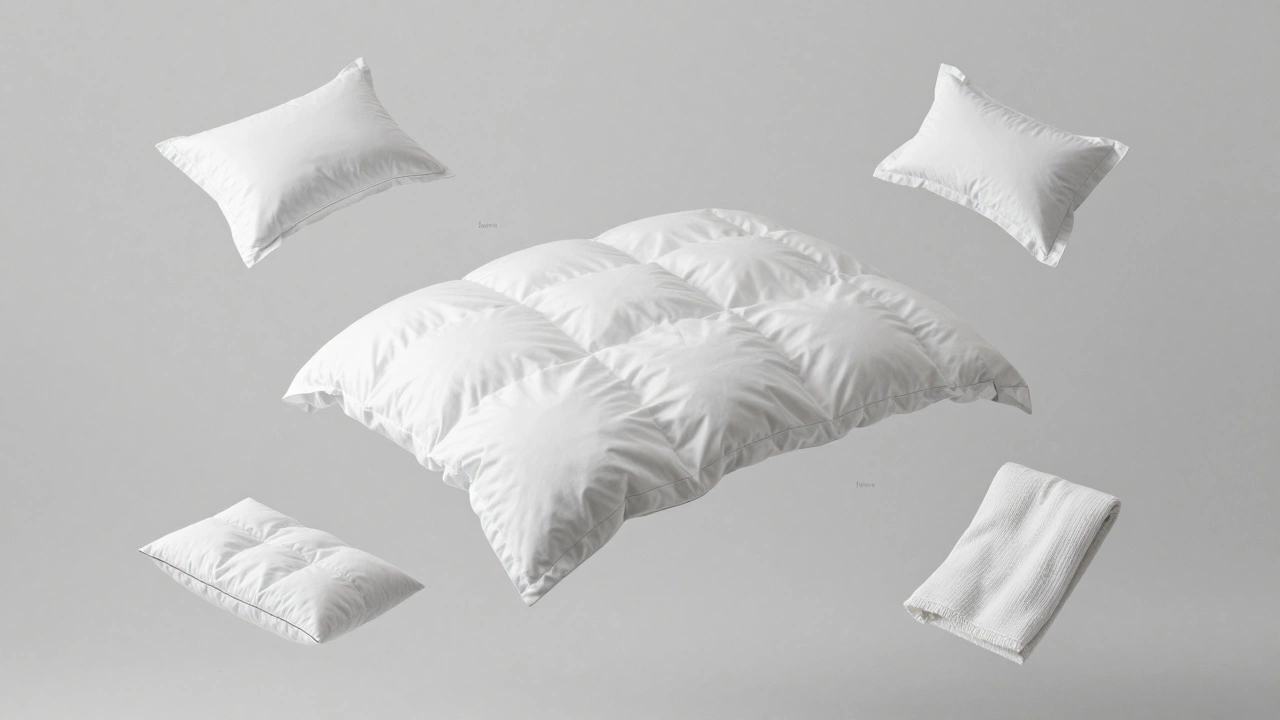
So if you walk into a store and ask for bedding, you’re not just looking for sheets. You’re looking at the entire sleep setup. A bedding set might include a comforter, two pillowcases, and a flat sheet - all matching in pattern and fabric. That’s a full bedding package. A sheet set? Just the sheets and pillowcases.
Why the Distinction Matters
Imagine you’re shopping online. You see a listing that says “Queen Bedding Set.” You click buy, expecting just sheets. But when it arrives, you get a thick, quilted comforter, two pillowcases, and a flat sheet. You didn’t need the comforter - you already have one. Now you’ve got two, and you wasted money.
Or worse: you buy a “sheet set” thinking it includes a duvet cover. It doesn’t. Now your down comforter sits naked on the bed, collecting dust and oils. You’ll have to wash it more often, and that’s expensive. Duvet covers protect your comforter. They’re washable. The comforter? Not so much.
Knowing the difference helps you buy smarter. If you want to refresh your look, swap out your duvet cover. It’s cheaper and easier than replacing your whole bedding set. If your sheets feel scratchy, replace just those. No need to buy new blankets.
Material Differences
Bed sheets are usually made from lightweight, breathable fabrics. High-thread-count cotton (like 300-600) feels smooth and lasts years. Linen is cooler and gets softer over time. Bamboo is silky and moisture-wicking. Microfiber is budget-friendly and wrinkle-resistant.
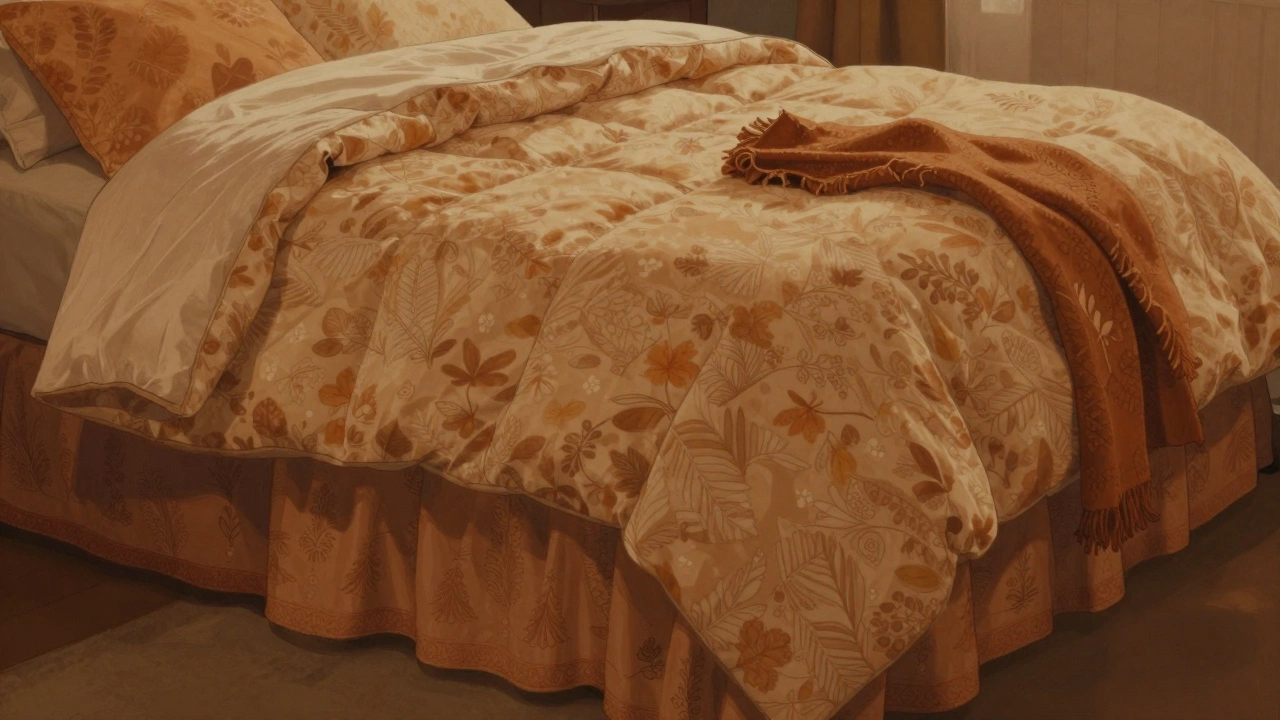
But bedding? That’s where thickness and insulation come in. A comforter is filled with down, synthetic fibers, or wool. A quilt is layered and stitched for warmth. A bedspread is decorative - often woven or embroidered - and mostly for looks. You don’t sleep under it in winter; you drape it over the top for style.
So while sheets are about comfort against skin, bedding is about temperature control and aesthetics. One keeps you clean. The other keeps you warm and makes the bed look inviting.
How to Choose What You Need
Ask yourself these three questions:
- Do I need to replace what touches my skin? → Go for new sheets and pillowcases.
- Do I want more warmth or a new look? → Buy a new duvet cover or comforter.
- Is my bed looking flat or messy? → Add a bed skirt or throw blanket.
Most people start with a basic sheet set. Then they add a comforter and duvet cover. After that, they layer in a throw or decorative pillows. That’s how you build a real bedding system - step by step.
Common Mistakes
Here’s what goes wrong when people mix up sheets and bedding:
- Buying a “bedding set” that includes a comforter - but you already own one. Result: clutter and wasted cash.
- Washing a comforter every week because they think it’s part of the sheets. Result: ruined filling and expensive dry cleaning bills.
- Using a flat sheet as a blanket. Result: cold nights and wrinkled linens.
- Thinking a fitted sheet is enough. Result: a bare mattress that looks uninviting and collects dust.
There’s also the myth that “higher thread count = better.” That’s only true for sheets. A 1200-thread-count comforter? That’s marketing nonsense. Fill weight and material matter more there.
Real-World Example
Take Sarah, who lives in Chicago. Her winters are freezing. She bought a 600-thread-count cotton sheet set and a 700-fill-power down comforter. She uses a removable cotton duvet cover. In summer, she swaps the down for a lightweight cotton quilt. Her sheets stay the same year-round because they’re breathable. She washes her sheets weekly. Her duvet cover? Every two weeks. Her comforter? Once a year, if that.
She didn’t buy one big set. She built a system. That’s the difference between understanding bedding and just buying sheets.
Final Takeaway
Bed sheets are the foundation. Bedding is the whole structure. You need both, but they serve different purposes. Sheets keep you clean and comfortable. Bedding keeps you warm, styled, and protected. Mixing them up leads to frustration, extra costs, and poor sleep.
Next time you shop, read the labels. Look for “sheet set” if you only need fitted and flat sheets. Look for “bedding set” if you want the full package. And don’t forget - a duvet cover is your best friend. It’s the easiest, cheapest way to change your room’s look without buying new bedding.
Are pillowcases part of bedding or sheets?
Pillowcases are part of both. They’re technically included in a sheet set, but they’re also a key component of bedding. You need them to protect your pillows and complete the look of your bed. So when someone says "bedding," they usually mean sheets + pillowcases + blankets + comforters. Pillowcases belong in both categories.
Can I use a flat sheet as a blanket?
You can, but you shouldn’t. Flat sheets are thin and designed to lie between you and your comforter, not to trap heat. Using one as a blanket in cold weather leaves you chilly. It also gets wrinkled faster and doesn’t stay in place. Use a lightweight blanket or throw instead - they’re made for warmth, not just covering.
Do I need a duvet cover if I have a comforter?
Yes. Duvet covers protect your comforter from sweat, oils, and dust. Most comforters can’t be washed at home - they’re too bulky and expensive to dry clean. A duvet cover, though? You can toss it in the washer every two weeks. It’s the smartest, cheapest way to keep your bedding fresh and extend the life of your comforter.
What’s the difference between a bedspread and a comforter?
A comforter is thick, padded, and meant for warmth. You sleep under it. A bedspread is thinner, often decorative, and usually draped over the top of the bed for looks. You don’t sleep under it - it’s for when the bed is made. Bedspreads are common in hotels or traditional styles. Comforters are for everyday use.
How often should I wash my bedding vs. my sheets?
Wash your sheets and pillowcases every week. Wash your duvet cover every two weeks. Wash your comforter or quilt only once or twice a year - unless it gets stained. Blankets used daily should be washed every two to three weeks. The rule is: what touches your skin = weekly. What covers the warmth = less often.