What Is the Meaning of Bedding? Simple Definitions and Real-World Uses
 Mar, 9 2026
Bedding Material Selector
Find Your Perfect Bedding
Select your preferences to discover which bedding materials will optimize your sleep quality.
How Do You Sleep?
Bedding Insights
How materials regulate temperature: Synthetic materials (like microfiber) trap heat and moisture, while natural fibers (cotton, linen, bamboo) breathe better for cooler sleep.
Your Ideal Bedding Materials
Top Recommendation
Cotton
Breathable, durable, versatile
Linen
Cooling, durable, gets softer with washing
Why These Work For You
Your preference for paired with climate makes cotton and linen ideal. They regulate temperature without trapping heat.
Pro Tip
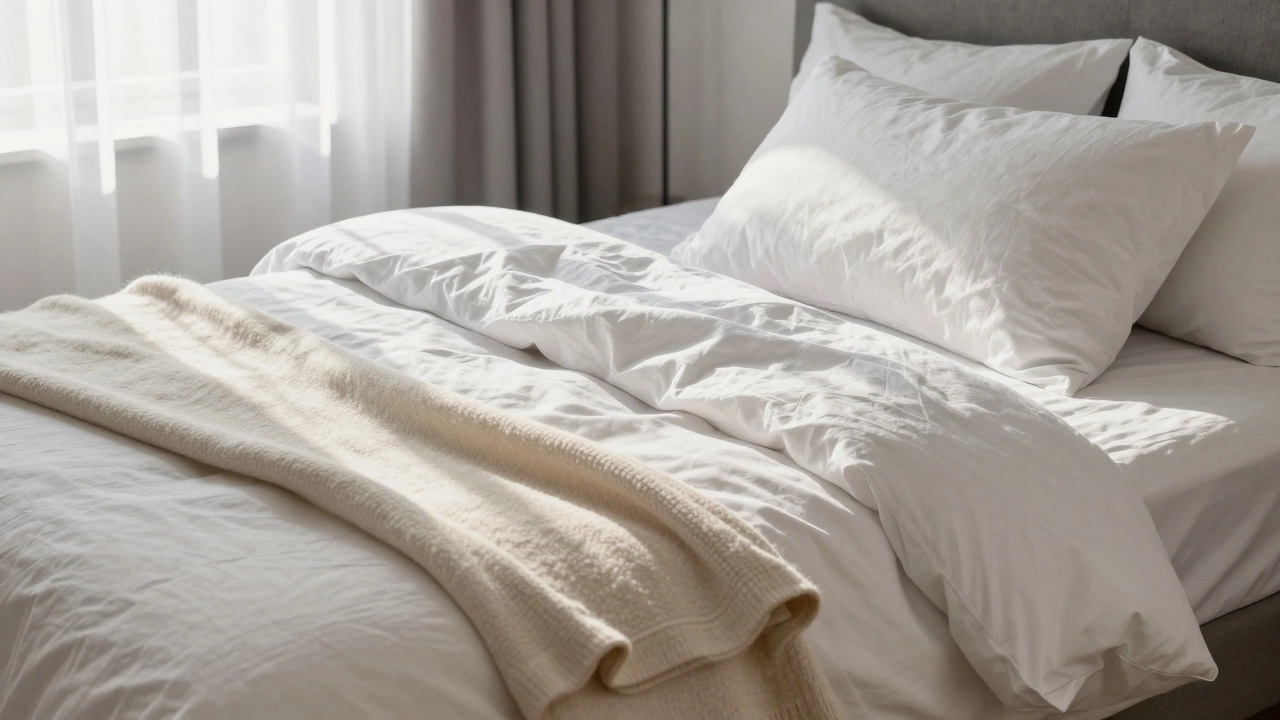
When someone asks, "What is the meaning of bedding?" they’re not just looking for a dictionary definition. They want to know what it actually means in real life - why it matters, how it affects sleep, and what’s really inside that pile of sheets and blankets on your bed. Bedding isn’t just fabric. It’s the foundation of your sleep environment, and it does way more than cover your mattress.
Bedding Is More Than Just Sheets
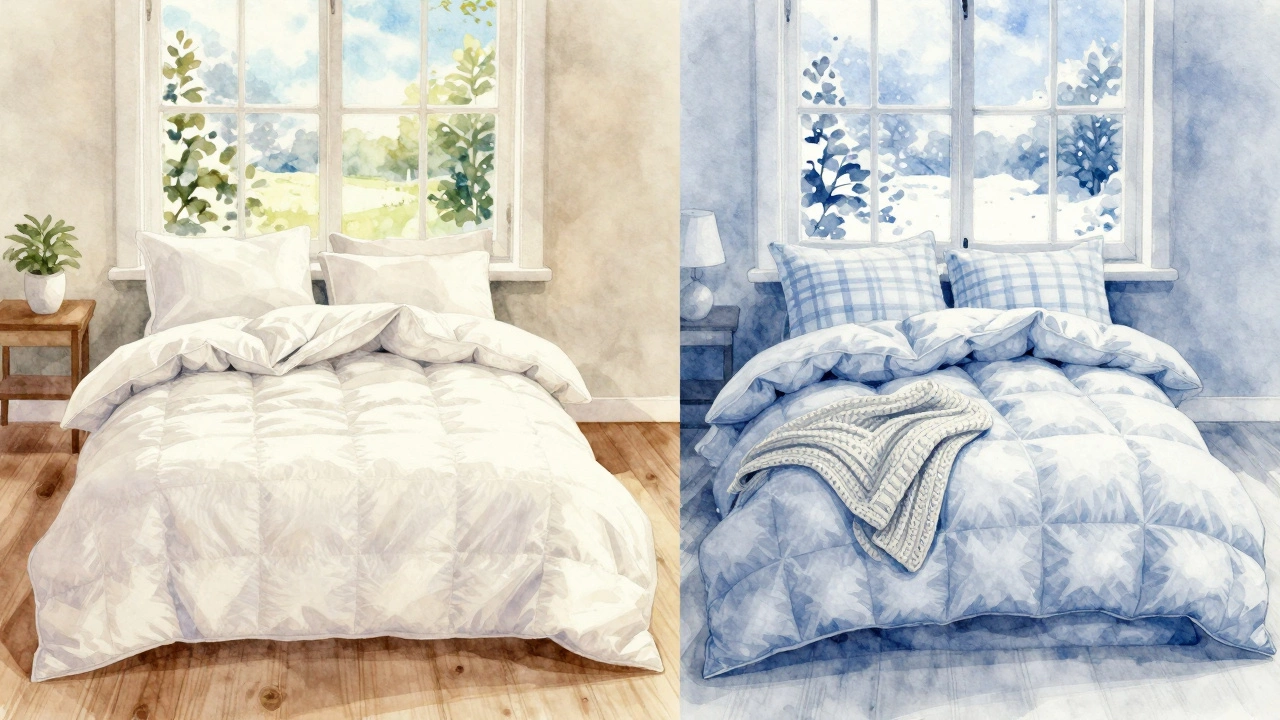
Most people think bedding means sheets, pillowcases, and maybe a comforter. That’s part of it, but not all of it. Bedding includes everything you put on your bed to sleep on or under: fitted sheet, flat sheet, pillowcases, duvet cover, mattress protector, blankets, and even bed skirts or decorative pillows if you use them. In New Zealand, where seasons swing from chilly winters to hot summers, bedding changes with the weather. A summer bedding set might be lightweight cotton sheets and a thin quilt. In winter, you might swap in flannel sheets, a thick wool blanket, and a down-filled duvet. The meaning of bedding shifts depending on climate, culture, and personal comfort.
Why Bedding Matters for Sleep
There’s science behind why your bedding affects how well you sleep. A 2021 study from the Sleep Foundation found that people who switched to breathable, high-thread-count cotton sheets reported falling asleep 17% faster and waking up less often during the night. Why? Because bedding regulates temperature. Synthetic fabrics trap heat. Natural fibers like cotton, linen, and bamboo draw moisture away and let air flow. If your bedding doesn’t breathe, you wake up sweaty or shivering - and your body never fully relaxes into deep sleep.
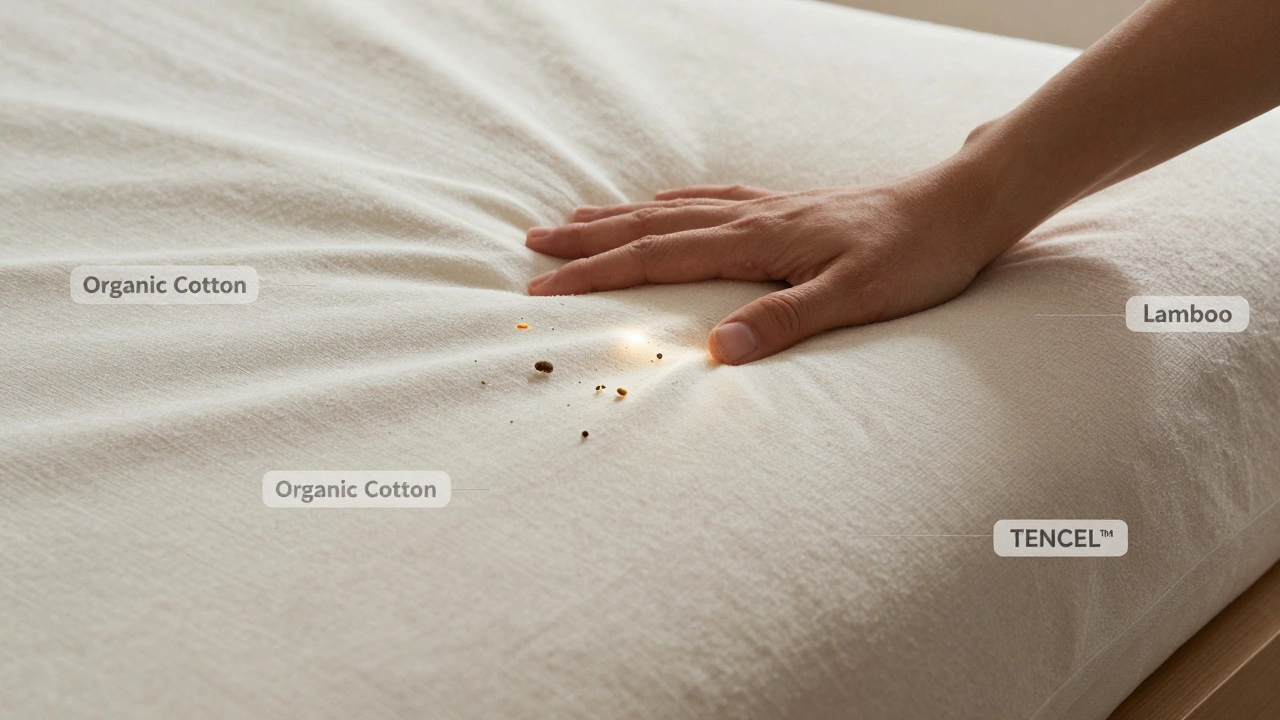
Bedding also affects your skin and allergies. Dust mites live in bedding. They don’t bite, but their droppings trigger allergies in 1 in 5 people. Using a mattress protector and washing sheets weekly cuts exposure. If you have eczema or sensitive skin, bedding made from organic cotton or TENCEL™ reduces irritation. Your bedding isn’t just covering your body - it’s touching your skin for 8 hours a night. That matters.
What’s in a Bedding Set?
A standard bedding set usually includes:
- Fitted sheet - stretches over the mattress corners
- Flat sheet - lies on top of you, tucked under
- Pillowcases - usually two, but some sets include four
- Duvet cover - slips over a comforter or duvet
- Mattress protector - often sold separately, but essential
Some sets add a throw blanket or decorative shams. Others include a bed skirt. The key is matching the size to your mattress. A queen mattress needs a queen-sized set. Using the wrong size means sheets slip, corners bunch, and you end up sleeping on a wrinkled, uneven surface.
Bedding Materials and What They Do
Not all bedding is made the same. The material changes everything:
- Cotton - breathable, soft, durable. Egyptian and Pima cotton are premium, with longer fibers that resist pilling.
- Linen - made from flax. Gets softer with each wash. Excellent for hot climates. Starts stiff but becomes luxurious.
- Bamboo - silky, moisture-wicking. Often blended with cotton. Eco-friendly if processed sustainably.
- Flannel - brushed cotton or wool. Warm, fuzzy, perfect for winter.
- Microfiber - synthetic. Cheap and wrinkle-resistant, but doesn’t breathe well. Can trap heat and moisture.
Thread count? Don’t chase it. A 300-thread-count cotton sheet can feel better than a 1,000-thread-count one if the threads are thin and poorly woven. Quality matters more than number.
Bedding and Your Sleep Routine
Changing your bedding isn’t just a chore - it’s part of a sleep ritual. In Japan, people change sheets every few days. In Nordic countries, it’s common to air out bedding daily. Here in Auckland, where humidity climbs in summer, washing sheets weekly is the minimum. But if you sweat a lot, have pets, or share your bed, wash them every 3-4 days. Your pillowcase is dirtier than your toilet seat - studies show it collects oils, dead skin, and bacteria from your face every night.
Try this: make your bed every morning. It sounds small, but it signals to your brain that your space is calm and ordered. A tidy bed makes you more likely to return to it at night, relaxed and ready to sleep. Bedding becomes part of a rhythm - clean sheets, dim lights, cool room, quiet air. That’s the real meaning of bedding: it’s the final step in creating a sanctuary.
When Bedding Stops Working
Bedding has a lifespan. Cotton sheets last 2-3 years with regular washing. After that, they thin out, lose elasticity, and start to pill. If your fitted sheet no longer hugs the mattress, or if your duvet feels lumpy and flat, it’s time to replace it. Don’t wait until you’re sleeping on a torn seam. Your body notices the difference before you do.
Also, don’t ignore color and texture. Dark sheets hide stains, but they absorb heat. Light colors reflect it. If you’re a hot sleeper, go for white or pastels. Texture matters too - smooth surfaces glide better under blankets. Rough weaves can snag pajamas or cause friction on sensitive skin.
Bedding Isn’t Just About Comfort - It’s About Care
At its core, bedding is about care. It’s the layer between your body and the mattress. It’s what you touch first when you wake up and last before you fall asleep. Choosing good bedding isn’t about luxury - it’s about respecting your body’s need for rest. It’s about feeling cool when it’s hot, warm when it’s cold, and clean every single night. That’s the meaning of bedding: not decoration, not trend, but daily care for the most important thing you do - sleep.