What is the Plural of Potato? The Grammar Rule for Words Ending in -o
 Jun, 4 2026
Plural of -o Word Checker
Enter a word ending in 'o' (e.g., potato, photo, video) to check its correct plural form.
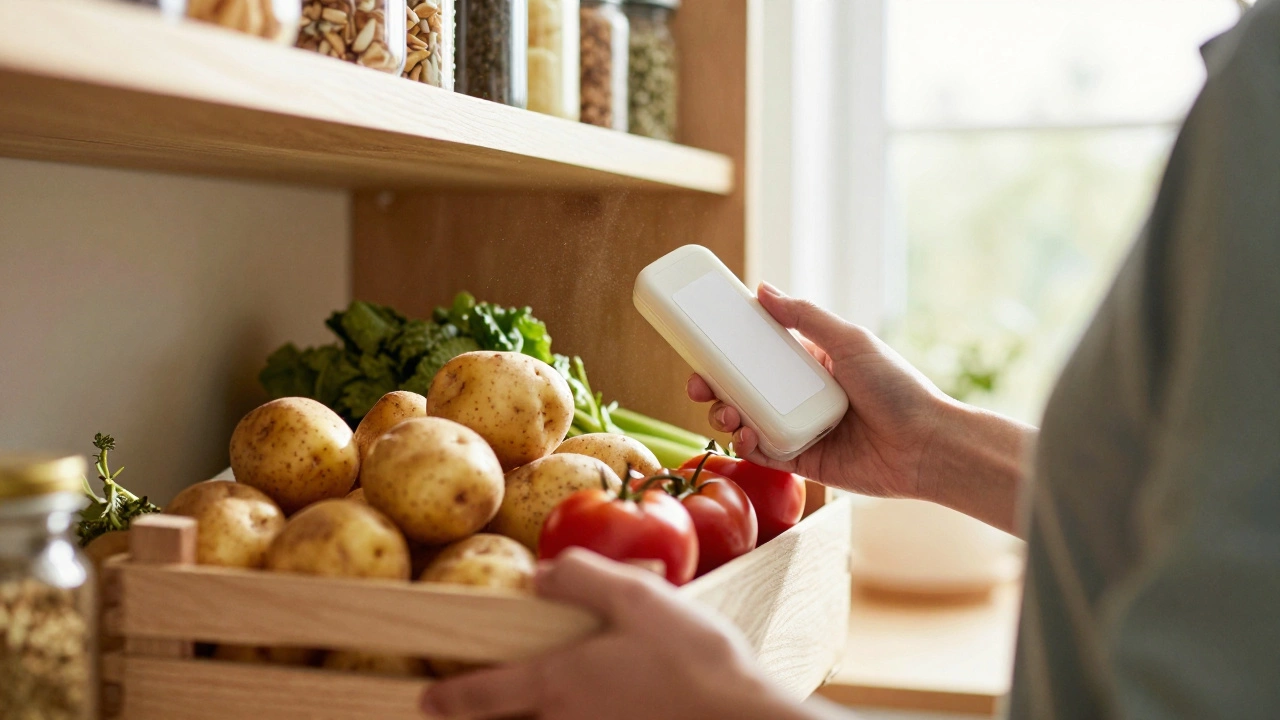
You are standing in your kitchen, staring at a crate of vegetables. You need to write a label for your pantry shelf. Do you write potatoes or potatos? It feels like a small thing, but getting it wrong can make your labels look messy and unprofessional. More importantly, this question opens the door to one of the most confusing parts of English grammar: how to handle words that end in the letter 'o'.
The short answer is simple: the plural of potato is **potatoes**. But if you stop there, you miss out on understanding why some words follow this rule while others don't. Why do we say 'photos' but 'potatoes'? Why do we say 'heroes' but 'echoes'? Understanding these patterns helps you organize your home, label your shelves, and communicate clearly without second-guessing yourself.
The Golden Rule: When to Add -es
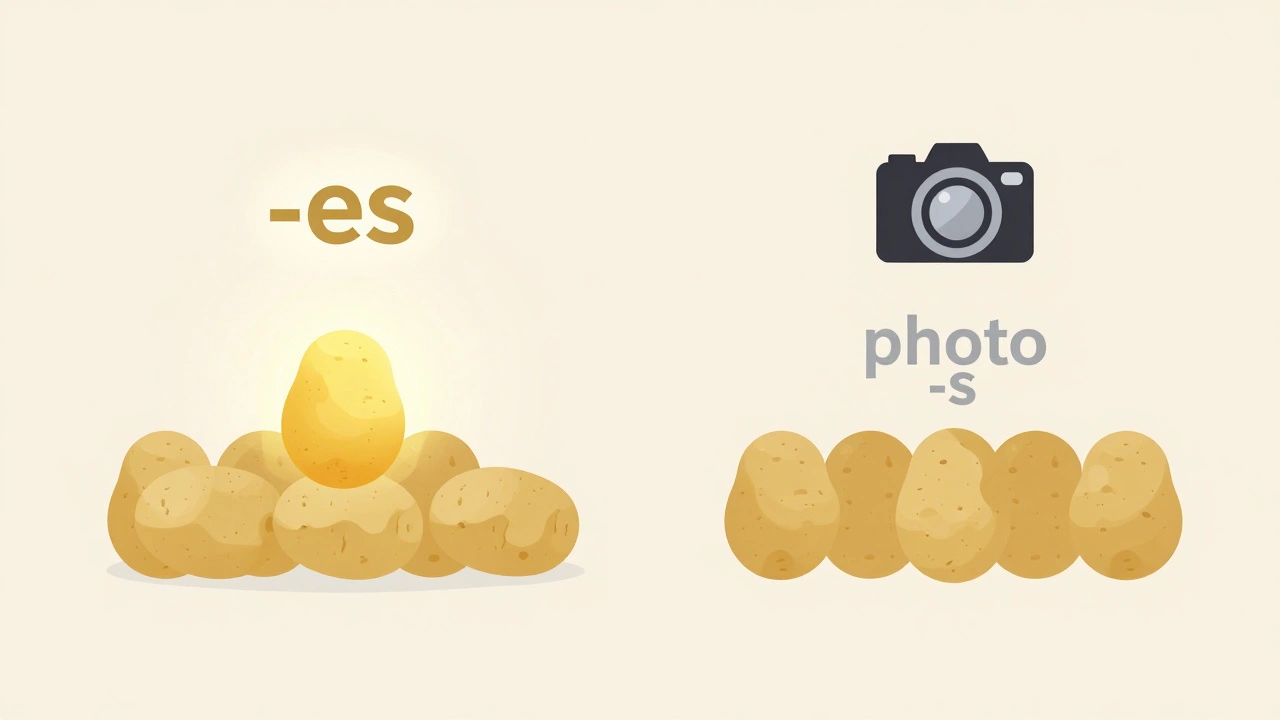
English is full of exceptions, but the word potato follows a reliable pattern. For most nouns that end in a consonant followed by 'o', you add -es to form the plural. This creates an extra syllable, making the word easier to pronounce. Think about the sound: "potato" ends with a hard 't' sound. If you just added an 's', you would get "potatos," which sounds clunky when spoken aloud. Adding the 'e' softens the transition.
This rule applies to several common household items you might find in your storage areas:
- Potato becomes potatoes
- Tomato becomes tomatoes
- Hero becomes heroes
- Echo becomes echoes
- Veto becomes vetoed (verb) or vetoes (noun)
A helpful trick to remember this is the phrase: "Potato, tomato, hero, echo." These are the classic examples taught in schools. If you can say them rhythmically, you will likely remember the spelling. When you are labeling jars in your pantry, using the correct plural ensures your notes are clear for anyone else in the house who might be looking for ingredients.
The Exceptions: When to Just Add -s
If every word ending in 'o' took '-es', our language would be much longer. Fortunately, many words simply take an -s. This usually happens in two specific scenarios: when the 'o' is preceded by a vowel, or when the word is a modern abbreviation or loanword.
Consider words where the 'o' follows another vowel, like 'a' or 'e'. In these cases, the pronunciation flows smoothly with just an 's':
- Photo becomes photos (short for photograph)
- Video becomes videos
- Radio becomes radios
- Studio becomes studios
- Zoo becomes zoos
Notice how easy it is to say "photos" compared to "photoes." The vowel before the 'o' does the heavy lifting for pronunciation. This distinction matters when you are organizing media files or labeling entertainment centers. You wouldn't want to label a box "Photoes"-it looks incorrect and distracts from the content.
There are also many borrowed words and technical terms that simply take an 's'. These include:
- Piano becomes pianos
- Dynamo becomes dynamoes OR dynamoss (both are accepted, but -s is more common)
- Memo becomes memos
- Volcano becomes volcanoes OR volcanos (again, both work, but -es is traditional)
For words like volcano and domino, you will often see both forms used. However, for clarity and consistency, especially in formal writing or organized lists, sticking to one convention is best. Most style guides prefer the simpler -s ending for newer words and abbreviations.
Why This Matters for Shelving and Storage
You might wonder why grammar matters when you are buying shelves or organizing a closet. The connection is stronger than you think. Clear communication is the foundation of effective organization. When you create a system for your home, every label, note, and category needs to be instantly recognizable.
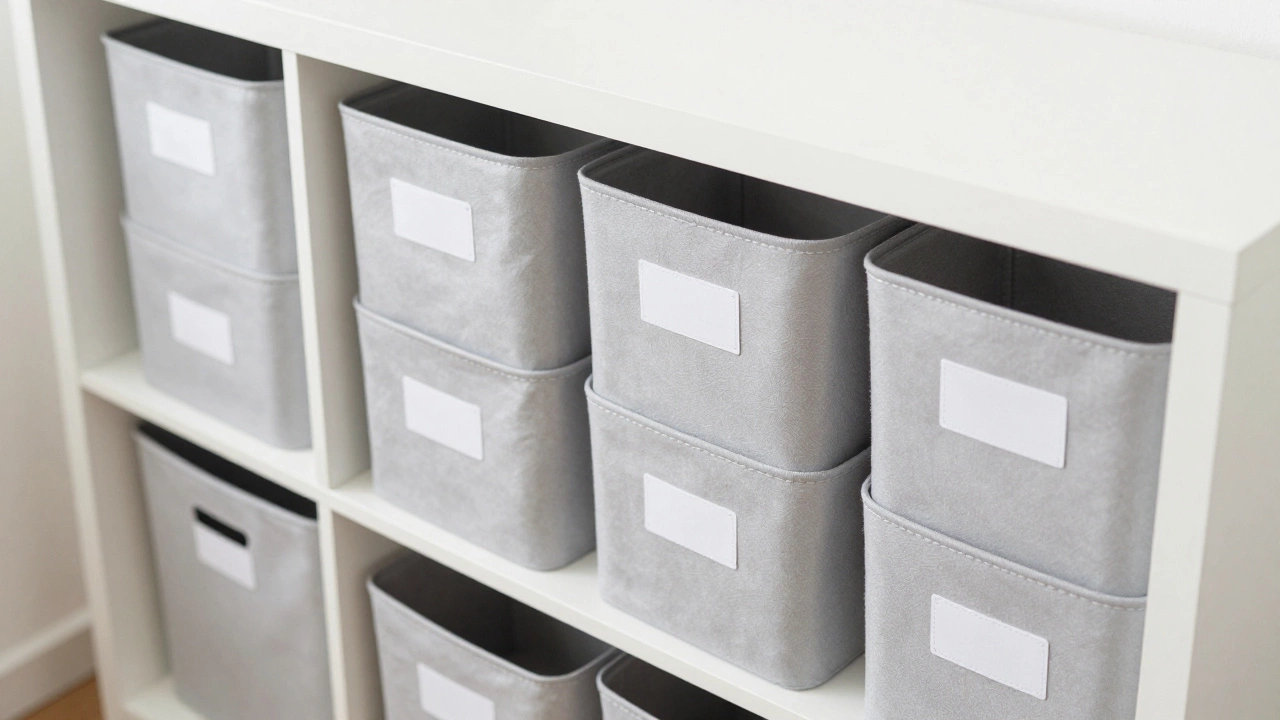
Imagine you have a large shelving unit in your kitchen. You decide to group your dry goods alphabetically. If you label a bin "Potatos," a guest or family member might pause, confused by the spelling. That tiny moment of friction breaks the flow of your organizational system. Correct spelling signals attention to detail and respect for the shared space.
Furthermore, digital organization tools rely on consistent naming conventions. If you use an app to track inventory in your pantry, searching for "potatoes" will not return results labeled as "potatos." Consistency prevents errors in search functions and keeps your digital and physical spaces aligned.
| Singular Form | Plural Form | Rule Applied | Context Example |
|---|---|---|---|
| Potato | Potatoes | Add -es | Kitchen pantry labels |
| Tomato | Tomatoes | Add -es | Garden produce bins |
| Photo | Photos | Add -s | Memory boxes or albums |
| Video | Videos | Add -s | Media server folders |
| Hero | Heroes | Add -es | Comic book collections |
| Radio | Radios | Add -s | Electronics storage |
| Zero | Zeros | Add -s | Mathematics or coding notes |
Historical Context: Where Did This Rule Come From?
Understanding the history of the word can help you remember the rule. The word potato comes from the Spanish word patata, which itself may have originated from the Taíno word batata. As English absorbed words from other languages, it adapted their endings to fit its own phonetic patterns.
In the 19th century, there was significant debate among grammarians about whether to use -s or -es for words ending in 'o'. Some argued for simplicity (-s), while others emphasized pronunciation (-es). Over time, usage settled into the patterns we see today. Common, everyday words like potato and tomato kept the -es ending because it matched the spoken rhythm of the language. Technical or abbreviated words like photo and piano adopted the simpler -s.
This historical shift shows that language evolves based on how people actually speak. When you label your shelves, you are participating in this tradition of clear communication. Using the standard plural form connects your home organization to broader linguistic norms.
Practical Tips for Labeling Your Home
Now that you know the rule, how do you apply it? Here are some practical steps for integrating correct grammar into your shelving and storage strategy:
- Use a Style Guide: Keep a small notebook or digital note with tricky plurals. When in doubt, check a dictionary. This saves time later when you are mass-labeling items.
- Be Consistent: If you choose to use volcanoes, stick with it. Don't mix volcanos and volcanoes in different rooms. Consistency reduces cognitive load.
- Test Readability: After writing a label, read it aloud. Does it sound natural? If "potatos" feels awkward, it probably is. Trust your ear.
- Group Similar Items: Organize your shelves so that similar categories are together. For example, keep all root vegetables (potatoes, carrots, onions) in one zone. This makes it easier to apply uniform labeling standards.
- Update Regularly: As you change your storage setup, review your labels. Correct any typos or inconsistent plurals during seasonal decluttering.
Labeling is not just about aesthetics; it is about functionality. A well-labeled shelf helps everyone in the household maintain order. When children or guests can easily find what they need, the system works better for everyone.
Beyond Potatoes: Other Tricky Plurals
While potato is the most famous example, there are other words that trip people up. Here are a few more to watch out for when organizing your home:
- Child becomes children (irregular plural)
- Mouse becomes mice (irregular plural)
- Index becomes indices (academic) or indexes (general use)
- Crisis becomes crises (pronounced cry-seez)
- Analysis becomes analyses (pronounced uh-nal-seez)
These irregular plurals require memorization rather than rule application. If you are creating a library shelf or an academic study area, paying attention to these distinctions adds a layer of professionalism to your space. For general household storage, focusing on the -o rule covers the majority of common items.
Final Thoughts on Clarity and Order
The plural of potato is potatoes. It is a small detail, but it reflects a larger principle: clarity enhances usability. Whether you are arranging books on a shelf, sorting spices in a cabinet, or filing documents in an office, precise language supports efficient organization. By mastering these basic grammar rules, you remove ambiguity from your environment. This leads to less stress, faster retrieval of items, and a more harmonious living space. Next time you reach for a label maker, remember the power of the extra 'e'.
Is it potatos or potatoes?
The correct plural is potatoes. You add "-es" to words ending in a consonant plus "o" like potato, tomato, and hero. Writing "potatos" is considered incorrect in standard English.
Why do some words ending in O take -s and others take -es?
It largely depends on pronunciation and origin. Words where the "o" is preceded by a vowel (like video or radio) usually take just "-s" because it is easier to say. Words with a consonant before the "o" (like potato or echo) often take "-es" to create a smoother sound. Many modern abbreviations (like photo) also take "-s" for simplicity.
What is the plural of tomato?
The plural of tomato is tomatoes. It follows the same rule as potato, adding "-es" to the end of the word.
Are there any exceptions to the -o plural rule?
Yes, there are many exceptions. Common ones include photos, videos, radios, pianos, and zoos. These words typically take just "-s" because the "o" is preceded by a vowel or they are shortened forms of longer words. Additionally, words like volcanoes and dominoes can sometimes take either "-s" or "-es", though "-es" is more traditional.
How does correct grammar help with home organization?
Correct grammar ensures that labels are clear and universally understood. This reduces confusion for family members or guests trying to find items. Consistent spelling also improves the effectiveness of digital inventory systems and maintains a professional, tidy appearance on your shelves.