What Type of Rug Is Most Comfortable? The Ultimate Guide to Softness
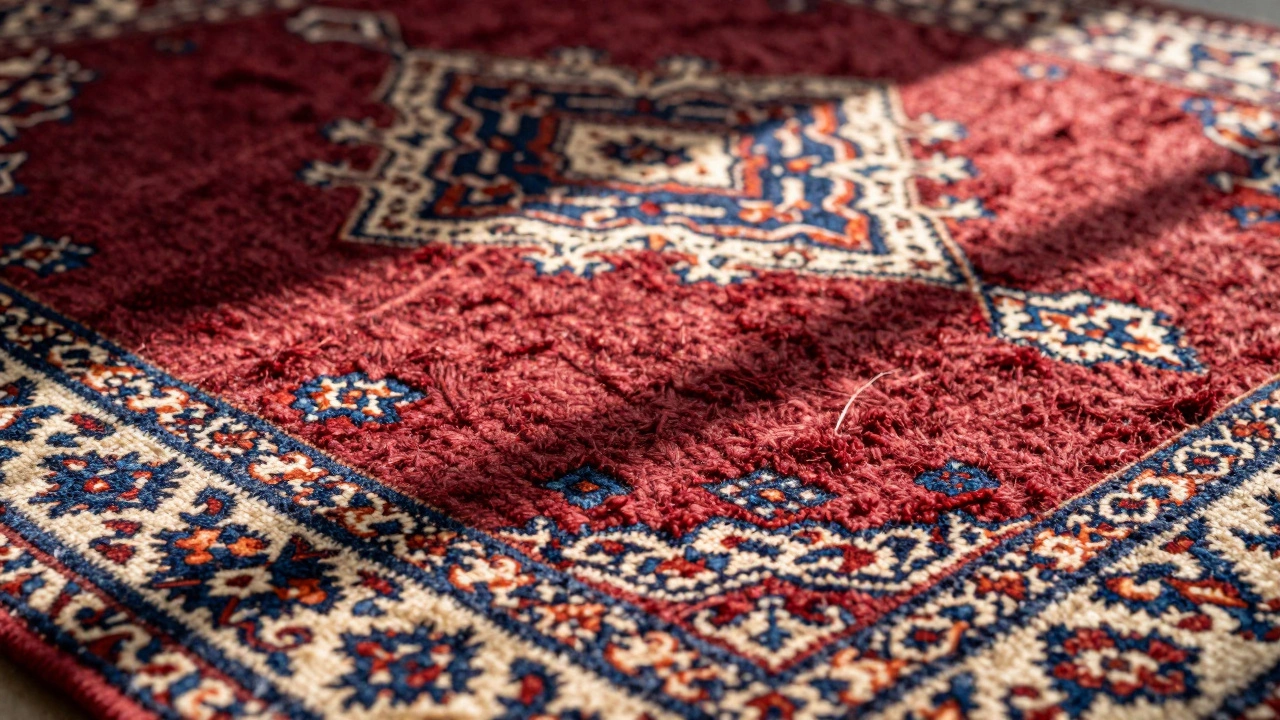 Jun, 8 2026
Find Your Perfect Rug Match
Configure your space and click "Analyze My Needs" to get personalized recommendations.
Ever walked across a room and felt like you were stepping on concrete? That’s the opposite of what a rug should do. A good rug doesn’t just look nice; it changes how you feel in your own home. But with so many options out there-wool, cotton, jute, polyester-it’s hard to know which one will actually feel good underfoot. You don’t want to spend hundreds on something that feels stiff or scratchy after a week.
The short answer? Persian wool rugs and high-pile synthetic blends usually win the comfort contest. But "comfort" isn’t just about softness. It’s also about cushioning, warmth, and how the rug holds up when you’re walking barefoot all day. Let’s break down exactly which types of rugs deliver the best feel, where they work best, and what to avoid if you want maximum coziness.
What is the single most comfortable rug material?
High-quality wool, especially from Persian or New Zealand sheep, is widely considered the most comfortable natural fiber due to its natural crimp, which creates air pockets for insulation and softness.
Understanding What Makes a Rug Feel Good
Before we jump into specific materials, let’s talk about why some rugs feel better than others. Comfort comes from three main factors: pile height, density, and fiber type. Think of it like a mattress. A thin, flat sheet might be smooth, but it won’t cushion your feet. A thick, fluffy pillow cloud is soft, but if it’s too loose, your foot sinks in weirdly and feels unstable.
Pile Height is the length of the fibers sticking up from the base. High-pile rugs (over 1 inch) are ultra-soft and great for lounging, but they can make walking feel unsteady. Low-pile rugs are firmer and better for high-traffic areas. Medium-pile offers a sweet spot for most homes.
Density refers to how tightly the fibers are packed together. A dense rug feels substantial and supportive. A low-density rug feels flimsy and mats down quickly. When you press your finger into the rug, you shouldn’t see the backing immediately. If you do, it’s not dense enough to last or feel good.
Fiber type is the final piece. Natural fibers like wool have a natural resilience that synthetics struggle to match without expensive engineering. This combination determines whether you’ll enjoy stepping on your rug every morning or dreading it.
The Gold Standard: Why Wool Wins for Comfort
If money were no object, you’d buy a wool rug. Specifically, New Zealand Wool is known for being exceptionally soft, durable, and naturally hypoallergenic. Here in Auckland, we appreciate wool because it handles our damp climate well, staying warm in winter and cool in summer. But globally, Persian and Tibetan wools are also top-tier.
Wool fibers have a microscopic scale structure that traps air. This gives wool its legendary insulating properties. When you step on a wool rug, those air pockets compress slightly, providing a gentle, springy cushion. Unlike synthetic fibers that can feel plastic-y or slippery, wool has a natural grip and texture that feels grounded.
Plus, wool is resilient. It springs back after furniture sits on it. If you have kids or pets running around, wool resists crushing better than almost any other natural fiber. The downside? Price. A good wool rug costs significantly more than synthetic alternatives. And while wool is stain-resistant, it’s not stain-proof. Red wine still needs to be blotted, not rubbed.
Synthetic Challengers: Polyester, Nylon, and Olefin
You don’t need to break the bank to get a soft rug. Modern synthetic fibers have come a long way. In fact, for pure, cloud-like softness, Polyester often beats wool. Polyester rugs can be engineered to mimic the look and feel of silk or high-end wool at a fraction of the cost. They’re incredibly soft right out of the box.
However, polyester has a weakness: durability. It tends to mat down faster than wool or nylon. If you place a heavy sofa on a polyester rug, that area might stay flattened forever. For bedrooms or low-traffic living rooms, though, polyester is a fantastic choice for comfort seekers on a budget.
Nylon is the workhorse of synthetic rugs. It’s not always as initially soft as polyester, but it’s tougher. Nylon resists abrasion better than any other fiber. If you want a rug that stays plush for ten years despite heavy foot traffic, nylon is your best bet. Many high-end carpet brands use nylon blends to balance softness with longevity.
Olefin (also called polypropylene) is another option. It’s cheap, water-resistant, and great for outdoors or basements. But for indoor comfort? Skip it. Olefin tends to feel coarse and lacks the luxurious hand-feel of wool or polyester. It’s functional, not cozy.
| Material | Softness Rating | Durability | Best For | Price Range |
|---|---|---|---|---|
| Wool | 9/10 | High | Living rooms, bedrooms | $$$ - $$$$$ |
| Polyester | 10/10 | Medium | Bedrooms, low-traffic areas | $ - $$ |
| Nylon | 8/10 | Very High | High-traffic halls, family rooms | $$ - $$$ |
| Cotton | 7/10 | Low | Kitchens, bathrooms | $ - $$ |
| Jute/Sisal | 4/10 | Medium | Decorative accents, not bare feet | $$ - $$$ |
The Pile Factor: Shag vs. Plush vs. Flatweave
Even the best fiber won’t save a bad construction. The way the rug is made matters just as much as what it’s made of. If you want maximum comfort, you’re looking at two main styles: shag and plush.
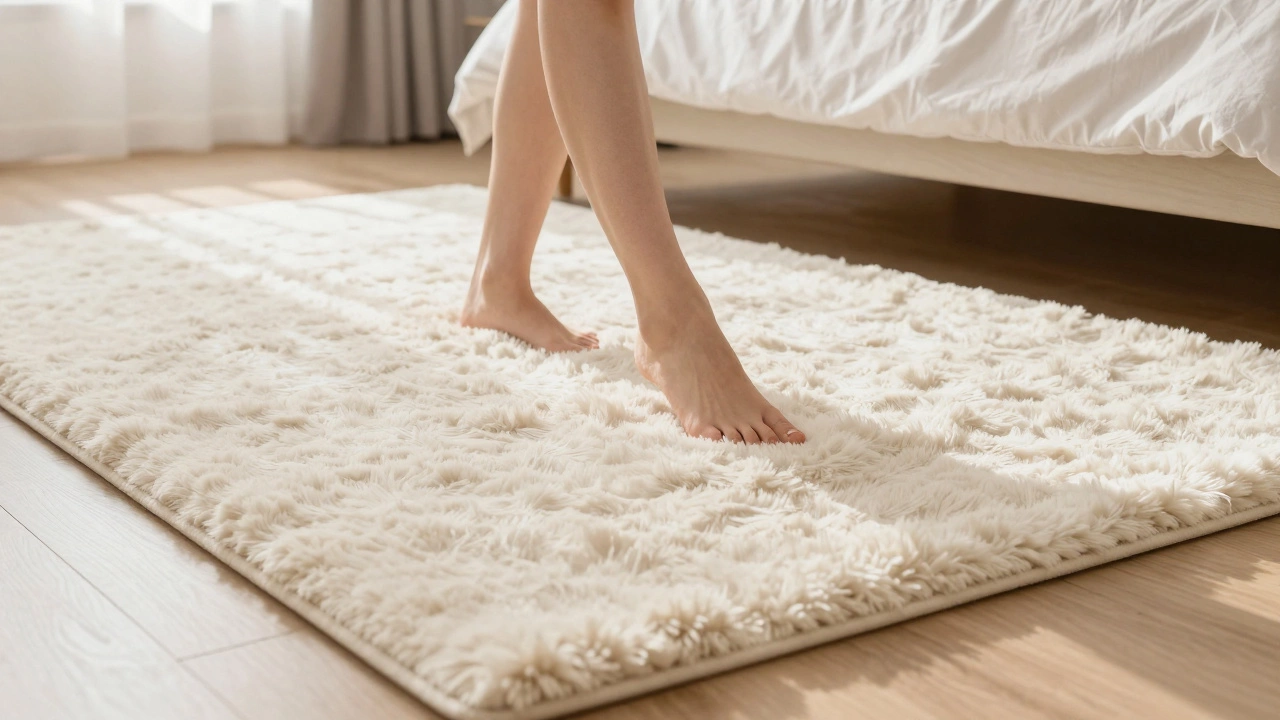
Shag Rugs feature long, loose piles that create a deep, immersive feel. Stepping into a shag rug is like sinking into sand. It’s undeniably cozy for sitting or lying down. But walking across it can be tricky. The uneven surface can trip you up, and vacuuming is a nightmare. Shag rugs are statement pieces, not everyday workhorses. They’re perfect for a bedroom floor where you mostly sit or sleep.
Plush or Saxony Rugs have a tight, cut-pile surface that feels velvety and uniform. These are the standard for comfortable living rooms. They offer a consistent softness underfoot without the tripping hazard of shag. Because the fibers are densely packed, they feel solid yet yielding. Look for a twist pile if you have kids, as it hides footprints better.
Avoid Flatweave or Kilim Rugs if comfort is your priority. These rugs are woven flat with no pile. They’re beautiful, durable, and easy to clean, but they feel like fabric on the floor. Great for style, terrible for bare feet.
Room-by-Room Comfort Strategy
Not every room needs the same level of cushiness. Your kitchen rug has different jobs than your bedroom rug. Matching the rug type to the room ensures you get comfort where you need it most.
Bedroom: Go for the softest option you can afford. A high-pile wool or polyester rug here makes getting out of bed in the morning pleasant rather than painful. Since foot traffic is lower, you can prioritize pure softness over extreme durability. Consider a rug runner alongside the bed for that first-step experience.
Living Room: This is a balance zone. You want softness for lounging, but durability for walking. A medium-pile wool blend or a high-quality nylon saxony rug works best. Avoid very high shags here unless you rarely walk across the center of the room.
Kitchen: Forget plush. Kitchens need washable, flat, or low-pile rugs that resist spills. Cotton or olefin runners are practical choices. Comfort here means non-slip backing, not cloud-like softness. Your feet will thank you for stability, not fluff.
Bathroom: Similar to kitchens, but moisture resistance is key. Memory foam bath mats provide excellent cushioning for standing at the sink. For larger bathroom rugs, choose quick-drying microfiber or cotton terry cloth. Wool is risky here unless it’s specifically treated for moisture.
Hidden Factors: Backing and Pad
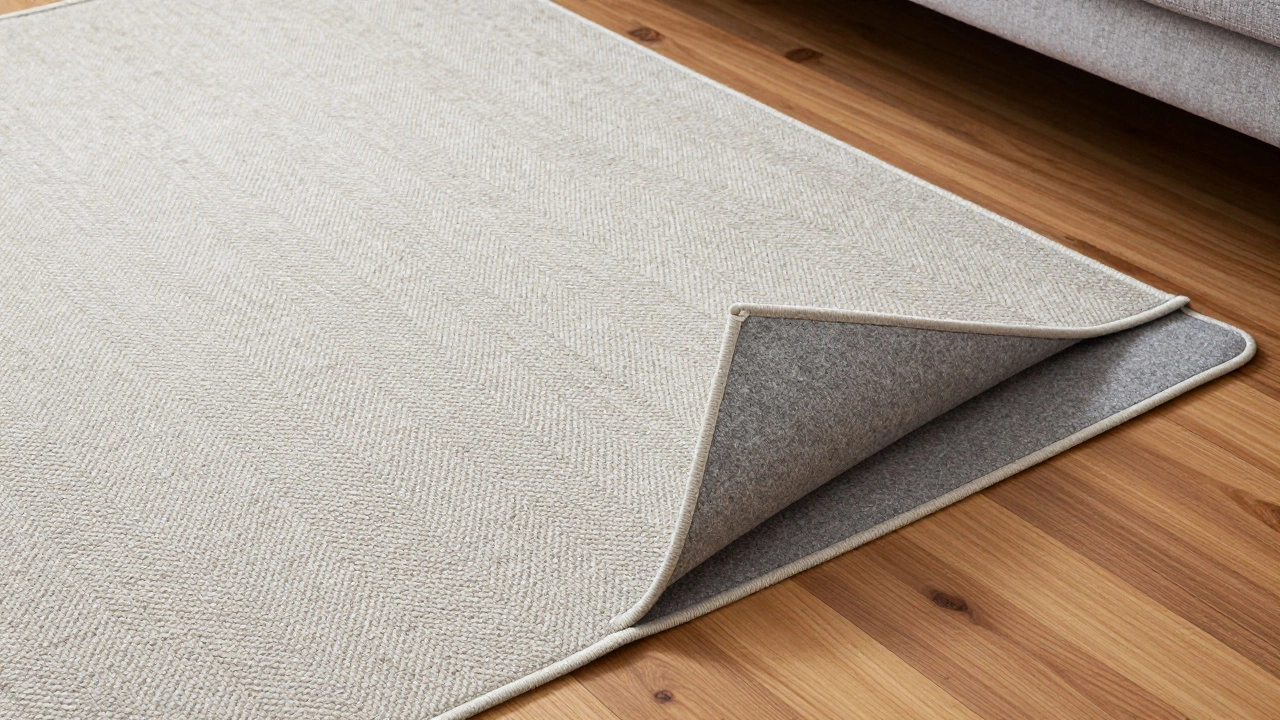
Here’s a secret many people miss: the rug pad makes or breaks comfort. Even a mediocre rug feels amazing with a high-quality pad. Conversely, a $1,000 wool rug feels harsh and cold without one.
A good Rug Pad adds an extra layer of cushioning between the rug and the floor. Felt pads add thickness and softness. Rubberized felt pads combine cushioning with grip. If you have hardwood floors, a felt pad protects the wood while adding bounce. For tile or stone, a rubber-backed pad provides warmth and shock absorption.
Skipping the pad saves money upfront but costs you in comfort and rug lifespan. The pad prevents slipping, reduces wear from friction, and adds that crucial millimeter of give that transforms a flat surface into a cozy one. Always measure your rug and buy a pad that’s 2 inches smaller on all sides to keep it hidden and secure.
Maintenance: Keeping Your Rug Soft
A dirty rug is an uncomfortable rug. Dust, dirt, and debris grind into the fibers, making them stiff and scratchy over time. Regular vacuuming is non-negotiable. Use a suction-only setting for delicate wools to avoid pulling fibers.
For deeper cleaning, professional steam cleaning every 12-18 months restores the rug’s original softness. DIY shampooing can leave residue that attracts more dirt, so stick to dry-cleaning methods or hire pros. If you spill something, blot immediately. Rubbing pushes the stain deeper and damages the fiber structure, leading to permanent stiffness.
Rotate your rug every six months. This ensures even wear and prevents one side from becoming matted and hard while the other stays plush. Sunlight also fades and weakens fibers, so consider UV-protective window film if your rug gets direct sun.
Final Thoughts on Choosing Comfort
Choosing the most comfortable rug isn’t just about picking the fluffiest option. It’s about matching the right fiber, pile, and construction to your lifestyle. Wool offers the best natural balance of softness and resilience. Polyester wins for budget-friendly plushness. Nylon delivers long-lasting comfort for busy households.
Don’t forget the rug pad. It’s the unsung hero of foot comfort. And remember, comfort is personal. Some people love the springy feel of wool; others prefer the sink-in sensation of shag. Visit a store, take off your shoes, and walk around. Your feet will tell you what your eyes can’t see.
Are memory foam rugs comfortable?
Yes, memory foam rugs are extremely comfortable for standing still, like in a kitchen or bathroom. However, they are not ideal for walking across large areas as they can feel unstable and lack the breathability of traditional rugs.
Is silk rug comfortable to walk on?
Silk rugs are incredibly soft and smooth, but they are very delicate and prone to crushing. They are best used as decorative pieces in low-traffic areas rather than for daily barefoot walking.
Which rug material is best for allergies?
Wool is naturally hypoallergenic and resistant to dust mites. Synthetic fibers like polyester and nylon are also good options as they don’t trap allergens as easily as some natural plant fibers. Avoid high-pile rugs if you have severe allergies, as they can harbor dust.
Do handmade rugs feel softer than machine-made?
Handmade rugs, especially hand-knotted ones, often have a denser pile and higher quality wool, resulting in superior softness and longevity. However, high-end machine-made rugs can mimic this feel at a lower price point.
How do I clean a plush rug without damaging it?
Vacuum regularly without a beater bar to prevent pulling fibers. Spot clean spills immediately with a mild detergent and water. For deep cleaning, hire professionals who specialize in the specific fiber type of your rug.