Where do I start overwhelmed with clutter? | Complete Decluttering Guide
 Mar, 29 2026
Decluttering Roadmap & Action Plan
Step 1: Set Your Parameters
Feeling stuck? Use this planner to break paralysis and get started.
Your Custom Strategy
Why this works:
Matches your cognitive load with a manageable task size.
Ready when you are...
Fill out the parameters on the left to generate a tailored decluttering plan.
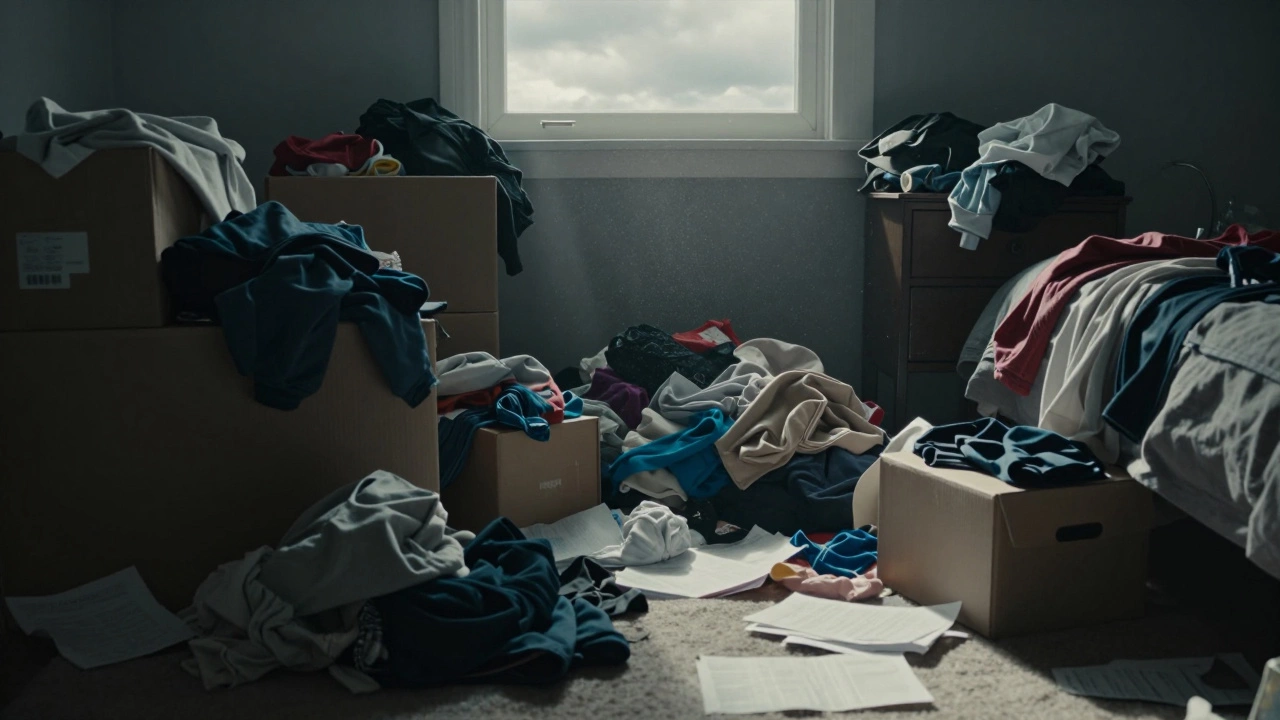
Walking into a room filled with stuff you haven't touched in months feels like walking into a storm. It triggers anxiety, frustration, and that heavy sense of paralysis where you know you need to act but cannot find the strength to move a single box. You are not alone in this struggle. Most people feel stuck at the beginning of organizing because they try to tackle everything at once. This approach guarantees burnout before you even clear the kitchen counter.
Key Takeaways
- Start small: Focus on one drawer or shelf rather than an entire room.
- Use the three-box method: Separate items into Keep, Donate, and Discard piles.
- Match containers to contents: Clear plastic bins help visibility; fabric bins reduce visual noise.
- Maintain momentum: Set a timer for 15-minute sprints to prevent fatigue.
- Establish habits: Create a nightly reset routine to stop mess from accumulating.
The Psychology of Clutter Paralysis
The biggest barrier to Clutter Management is the emotional weight attached to objects. When you see a pile of old clothes or paperwork, your brain associates them with past decisions, memories, or potential future needs. This creates decision fatigue. Every item demands energy to evaluate whether it belongs there.
Effective Clutter Management is a systematic process of reducing physical items to improve mental clarity and space utility. The reason you feel overwhelmed isn't just the volume of stuff; it's the invisible cognitive load required to manage it. If you try to solve the whole house in one weekend, your nervous system will shut down. Instead, treat the mess like a puzzle with manageable pieces. Breaking the task into smaller segments lowers the perceived difficulty.
Consider the environment you live in. In Auckland, damp winters can lead to things getting wet or moldy, adding urgency to finding the right place for seasonal gear. Your home acts as a container for your life, and when that container overflows, your ability to relax diminishes. Understanding that clutter is often a symptom of having too many options, not just laziness, helps remove the guilt. Once you accept that the goal is progress, not perfection, the process becomes lighter.
The Three-Box Method for Immediate Action
To break the ice, you need a concrete sorting mechanism. The Three-Box Method is a simple yet powerful technique used by professional organizers. You grab three distinct containers or areas. One is for keeping items that stay in the room. One is for things you will donate or sell. The third is for trash or recycling. You do not start putting things away until you have sorted everything on the surface you are working on.
This method forces a binary choice for every object. When you pick up an item, ask yourself: does this serve me right now? If the answer is yes, it stays. If it serves someone else better, it goes to the donation box. If it is broken or useless, it goes to the trash. Do not bring out a fourth box labeled "Maybe." That box just postpones the problem.
- Clear a small surface area, like a nightstand or a single desk drawer.
- Gather your three containers nearby.
- Take every object from that surface one by one.
- Decide its fate immediately without overthinking.
- Place the kept items back neatly once sorting is complete.
- Remove the donation and trash boxes from the room immediately after finishing.
By removing the unwanted items physically from the house right away, you prevent second-guessing. If you leave the donation bag in the corner, guilt may return, tempting you to retrieve the items. Driving those bags to a charity shop or leaving them at a collection point cements the success.
Choosing the Right Storage Solutions
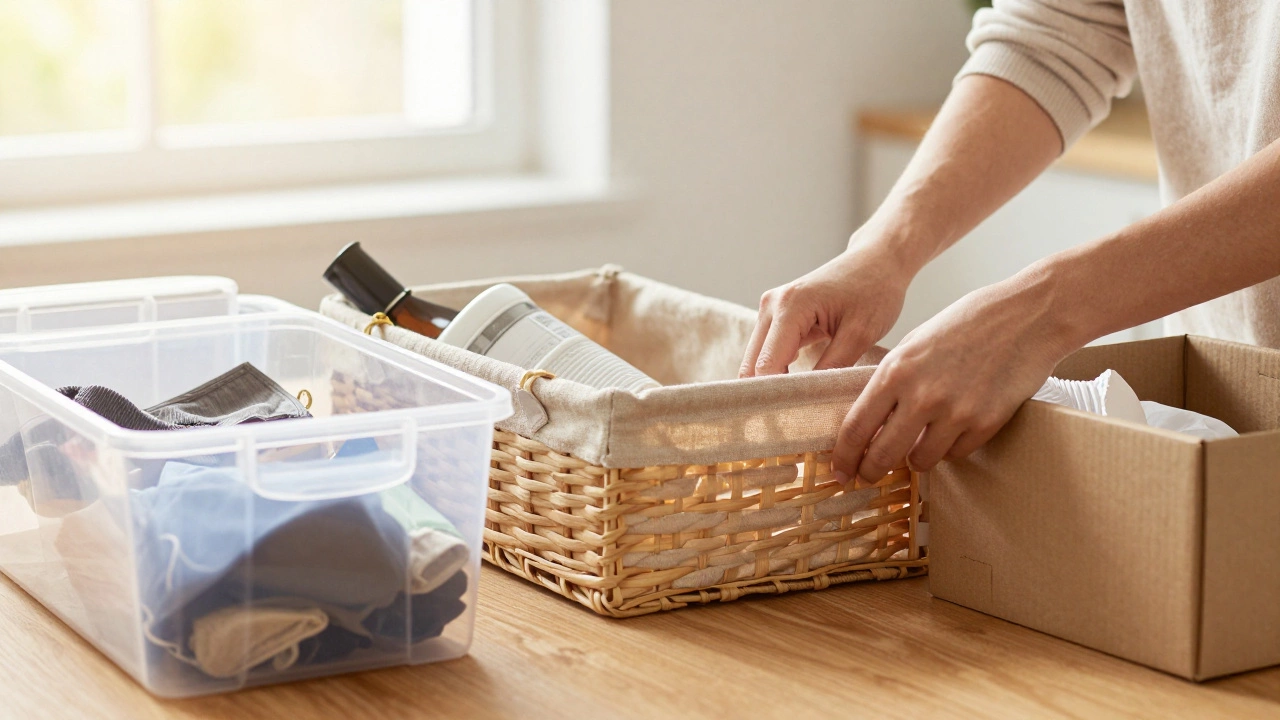
Once you have reduced the number of items, you need a home for what remains. Using the wrong storage containers often leads to chaos recurring quickly. Plastic Storage BinsDurable containers made from rigid polymer designed to hold household goods securely Storage Furniture are excellent for uniform stacking. They protect contents from dust and pests, which is vital in basements or attics. However, they can look industrial. For visible living spaces, aesthetics matter.
Fabric cubes offer a softer look and fit perfectly into cubby shelving units. They allow you to peek inside if they are open-top, or completely hide contents if they have lids. Wall shelves utilize vertical space that is often wasted, especially in smaller apartments where floor space is premium. The key principle is matching the storage medium to the item type. Heavy books go on sturdy fixed shelves; lightweight linens fit well in hanging closet baskets.
| Storage Type | Best Use Case | Durability | Cost Estimate |
|---|---|---|---|
| Clear Plastic Bins | Air tight storage, basements, archives | High | $10-$30 per unit |
| Fabric Fabric Bins | Closets, under-bed, playroom toys | Medium | $5-$20 per unit |
| Wooden Shelving | Books, display items, pantry | Very High | $50-$200 per unit |
| Drawer Dividers | Socks, stationery, utensils | Low | $1-$5 per piece |
Avoid buying storage solutions before you know exactly what you are storing. Many people fill the house with empty boxes, expecting that will fix the problem. Containers do not organize anything; you organize things with a system, and containers support that system. Buy bins only after measuring the items and the space available.
Room-by-Room Prioritization
Starting in the bedroom is often emotionally safer than the office or kitchen because there is less functional dependency on the items. You can sleep through a messy entryway, but you need a functioning bed. Begin with the top shelf of your wardrobe. Pull everything out. Sort through winter coats and blankets. This gives you a quick win where you can easily identify what hasn't been worn in years.
In the kitchen, focus on the junk drawer first. This notorious collection point holds pens, tape, batteries, and random screws. Empty it entirely. Toss expired coupons, broken pens, and dried-up batteries. Group remaining useful tools together. Once you master the junk drawer, the rest of the kitchen pantry feels less daunting. Always attack the zone with the highest visual impact first if you need motivation, such as a cluttered entryway table that greets guests.
For digital clutter, apply the same logic. Digital files act like physical boxes in a virtual filing cabinet. A photo folder named "Scans" containing 500 unsorted images is equivalent to a cardboard box of mixed papers. Renaming folders creates the same relief as labeling bins. Digital organization is part of the overall Home Organization SystemHousehold WorkflowThe combined physical and digital methods used to maintain a tidy living environment.
Maintenance and Prevention
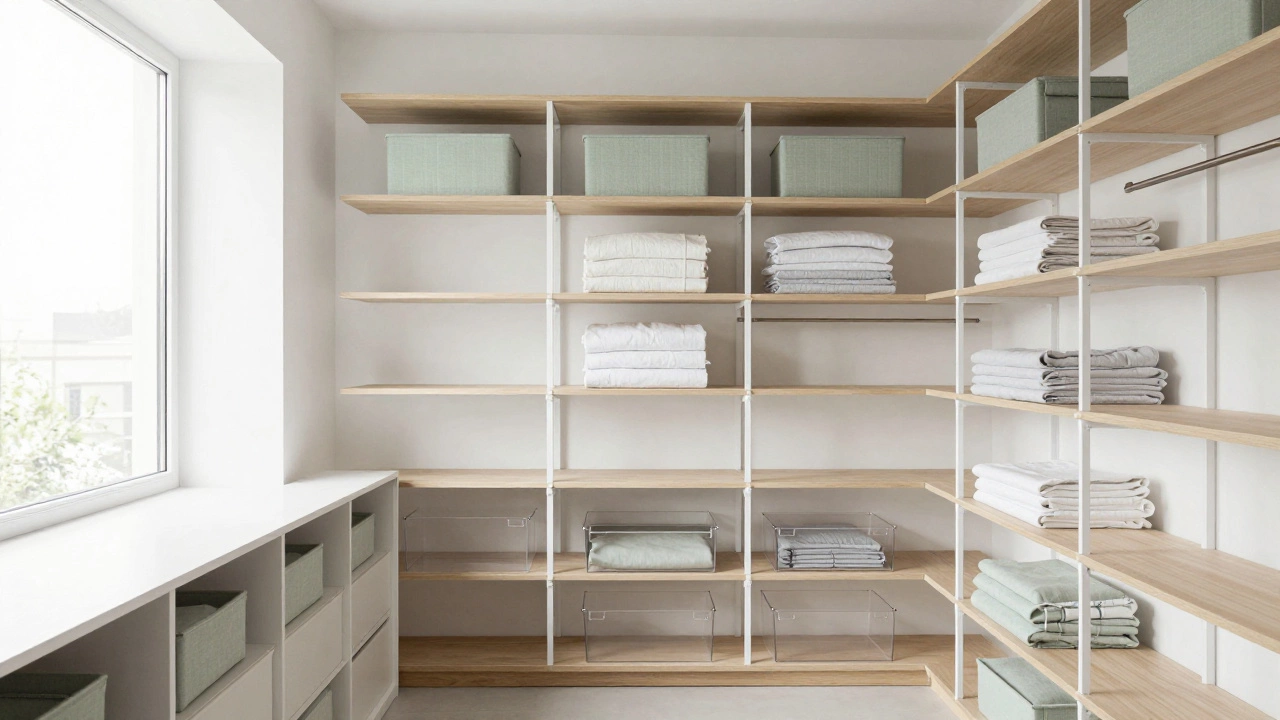
Decluttering is a sprint, but maintaining the space is a marathon. Without a maintenance plan, entropy will reclaim the clean surfaces within weeks. Establish a nightly reset routine. Spend ten minutes returning items to their designated homes before going to bed. Make sure the kitchen counters are clear, shoes are in the hall cupboard, and laundry is sorted.
Implement a "one in, one out" rule. When you buy a new shirt, donate an old one. When you bring a new gadget home, discard the old packaging or unused model. This prevents gradual accumulation. Labeling storage bins also helps others respect the system. Family members need to know where things belong. If you hide socks in a complex maze of drawers, they won't be found. Visual labels simplify the return process for everyone.
Frequently Asked Questions
How much storage should I aim for?
There is no fixed ratio, but experts suggest utilizing roughly 40% of total available storage capacity. This leaves room for fluctuation without overcrowding. If your shelves are packed tight, you are likely storing too much inventory.
What do I do with sentimental items?
Take photos of the item before letting it go. Memory lies in the experience, not the object. If you must keep physical mementos, limit them to a single designated box. Once that box is full, nothing else enters.
Is it worth hiring a professional organizer?
Yes, if your budget allows. Professional organizers bring accountability and unbiased perspective. They do the labor with you, preventing procrastination. They also provide custom solutions for awkward spaces that standard DIYers miss.
How do I deal with hoarding tendencies?
Hoarding involves significant distress regarding discarding items and requires professional psychological intervention. Standard decluttering tips may fail here. Seek a therapist specializing in cognitive behavioral therapy for hoarding to address the root cause safely.
Can I declutter during winter?
Absolutely. Winter is actually ideal for decluttering because the cold air reduces smells from stored items and indoor time increases. It is the perfect season to sort through warm clothing and seasonal decor.
Moving forward, remember that a clean space is not about owning fewer things necessarily, but owning the right things. The freedom comes from knowing where everything lives and feeling calm when you walk through your door. Start today with one drawer, and let that small victory build momentum for the next task.