How to Choose a Sofa That Will Last: Expert Guide for Long-Term Comfort
Learn how to pick a sofa that lasts for years-not just months. Focus on frame quality, spring type, fabric durability, and cushion density to avoid costly replacements.
So you’ve decided it’s time for a new sofa. Maybe your old one is sagging, or you just want a fresh look. The good news is you don’t have to guess. In the next few minutes you’ll learn what really matters – comfort, durability, size, and price – and how to check each thing without being a furniture expert.
First up, think about how you’ll use the sofa. If you binge‑watch movies with the family, you need deep seats and sturdy cushions. If you have kids or pets, look for fabrics that resist stains and scratches. Knowing the main use narrows the options fast.
The frame is the sofa’s backbone. Hardwood like oak or beech lasts years, while cheap particle board can crack. Give the frame a little shake; it should feel solid, not wobbly. The joints matter too – reinforced corner blocks or mortise‑and‑tenon joints are signs of good construction.
Cushion fill decides comfort and wear. High‑density foam holds shape, but adding a layer of down or feather gives that sink‑in feel. If you prefer bounce, look for a pocket spring system. Test by sitting for a minute; the seat should support your hips without flattening.
Fabric choice is where durability meets style. Leather ages beautifully and wipes clean, but it can be pricey. Performance fabrics like microfiber or polyester blends resist spills and pet hair. If you love texture, consider a short‑pile upholstery that stands up to daily use. Check the cleaning label – machines‑washable covers make life easier.
Measure your space before you shop. Pull a tape measure across the wall where the sofa will sit and note the width, depth, and height. Leave a few inches on each side for walking space. If you have a small living room, a loveseat or a compact sectional can save room while still offering seating.
Think about the sofa shape. Sectionals work great for large families or open‑plan layouts, while a classic Chesterfield adds a formal touch. If you need flexibility, a modular sofa lets you rearrange pieces as your needs change.
Colour is easier than you think. Grey couches are popular because they hide wear and match many décor styles. If you want a pop of colour, choose bold cushions or throws you can swap out later.
Budget doesn’t mean you have to settle. A mid‑range sofa with a hardwood frame and quality fabric can outlast a cheap designer piece that looks good for a season. Look for sales, and don’t forget to factor in delivery costs.
Finally, ask yourself these quick questions before you click ‘Buy’:
If you can answer ‘yes’ to most, you’re probably on the right track. Remember, a good sofa should feel comfortable the first night and stay strong for years. Happy sofa hunting!
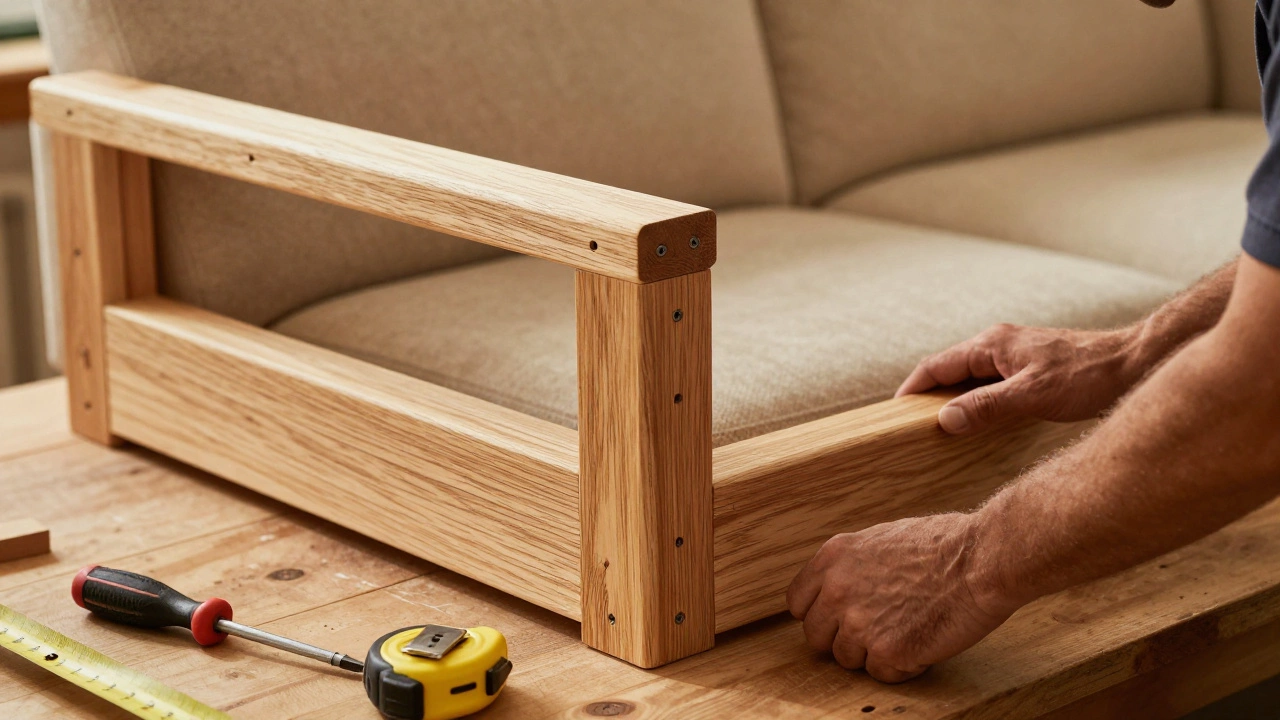
Learn how to pick a sofa that lasts for years-not just months. Focus on frame quality, spring type, fabric durability, and cushion density to avoid costly replacements.

Learn how to pick a sofa for a small living room by measuring space, choosing the right shape and depth, avoiding bulky designs, and using smart color and storage tricks to maximize comfort without crowding.

In 2026, sectional sofas dominate living rooms for their flexibility and space-saving design. Mid-century modern styles are also rising in popularity for their clean lines and timeless appeal. Learn what makes these styles work and what to avoid.
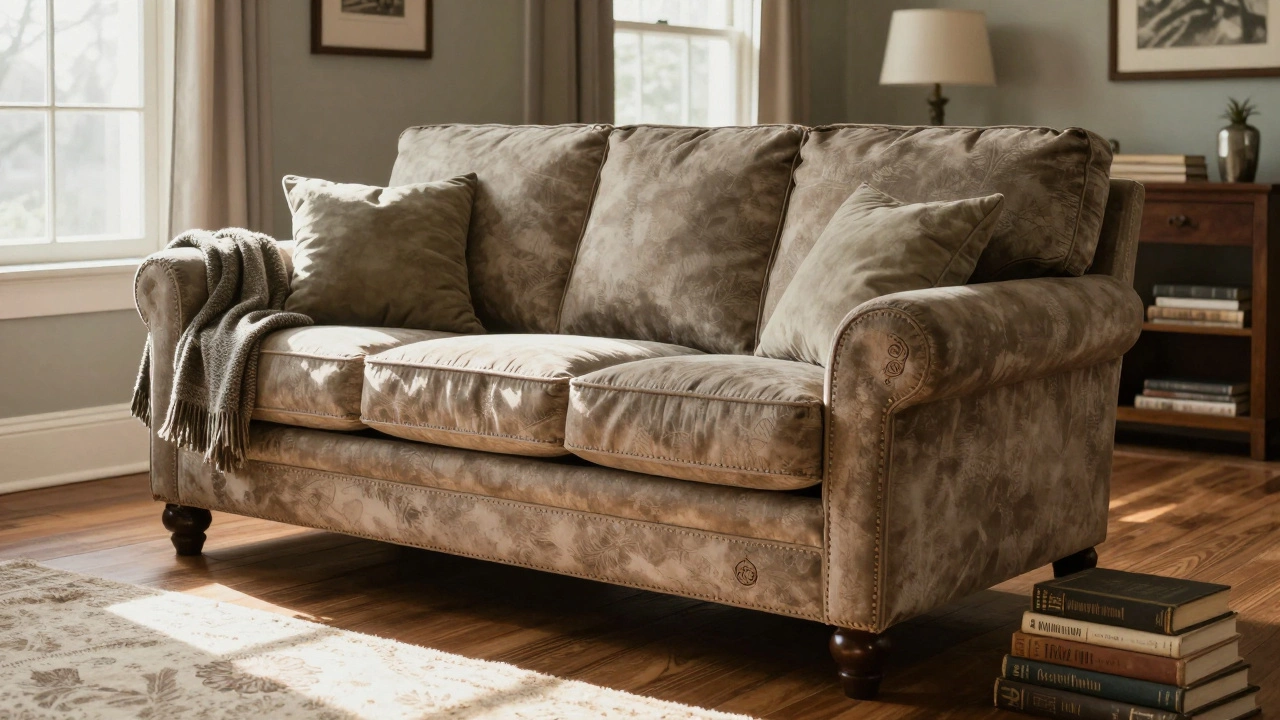
Thomasville furniture is not made in China. Its sofas are assembled in the USA with solid hardwood frames and quality craftsmanship. Learn how to spot authentic pieces and why U.S. manufacturing makes a lasting difference.
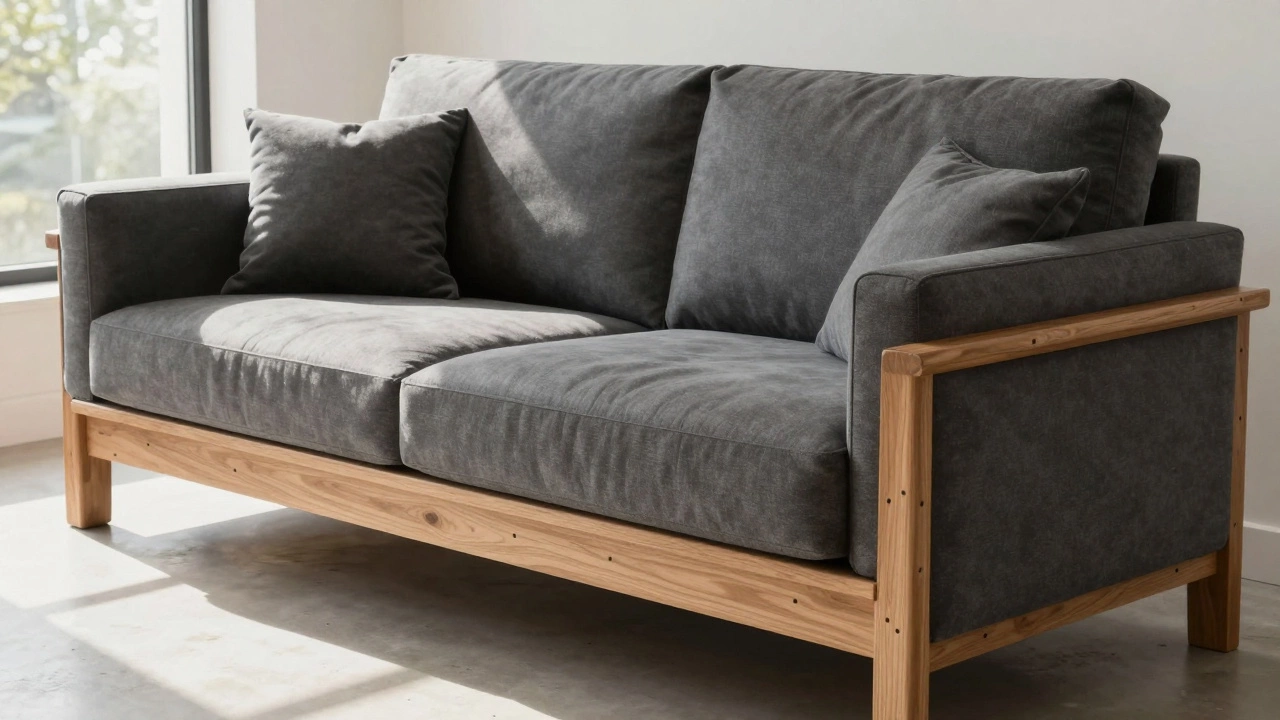
Find out the real cost of a good quality couch in 2026. Learn what makes a couch durable, where to find value, and how to avoid overpaying for something that won't last.
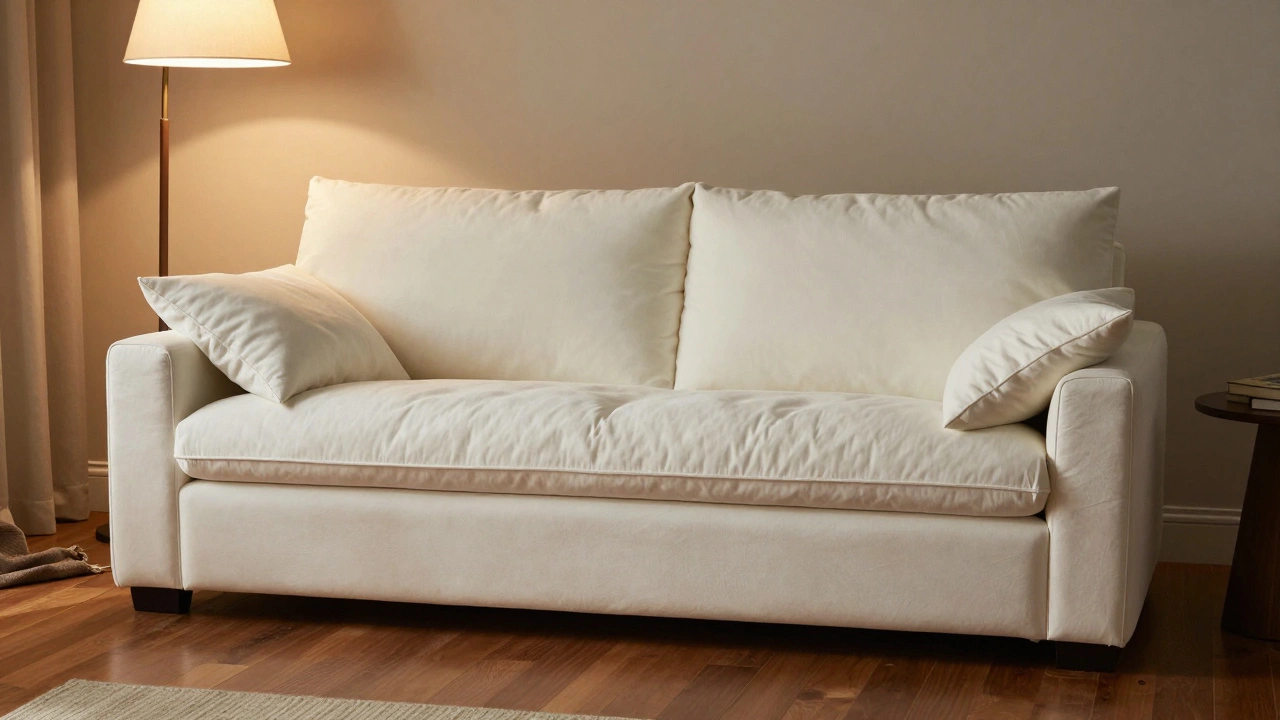
Finding the most comfortable sofa isn't about brand names-it's about seat depth, cushion density, and frame quality. Learn what actually works for real people in 2025.
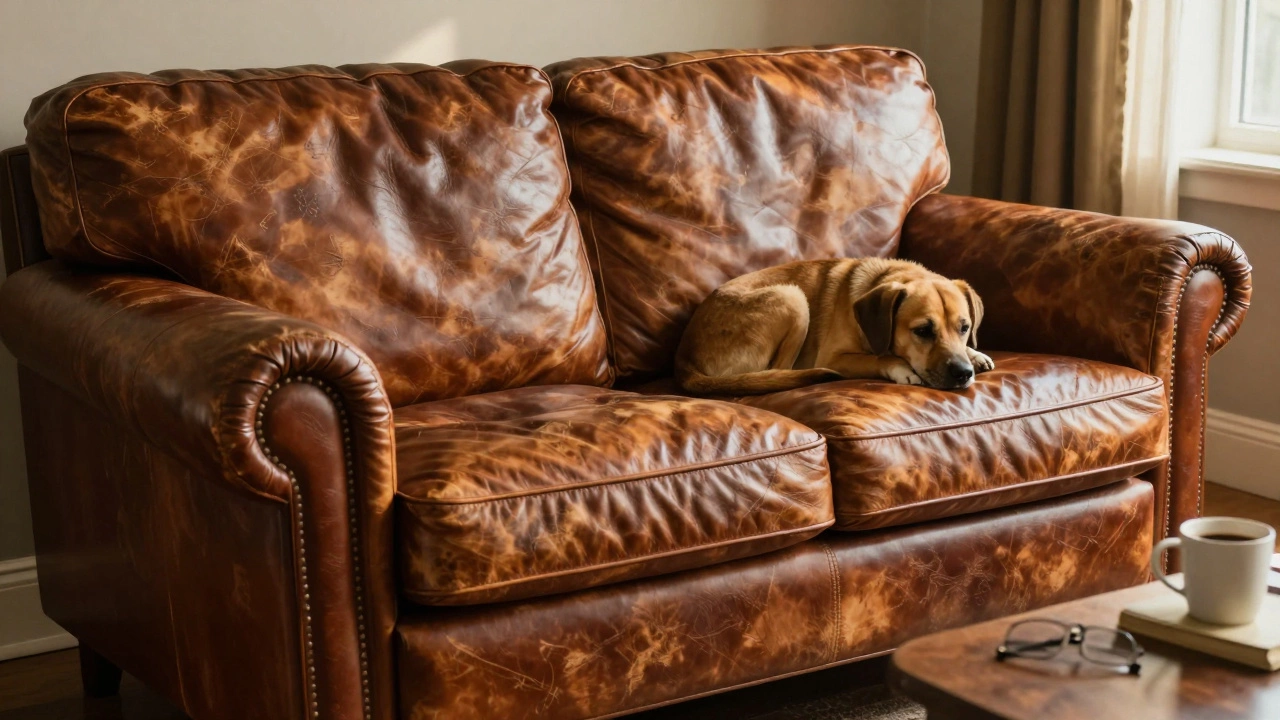
Leather and performance fabrics like Sunbrella last the longest on sofas. Learn what materials stand up to daily use, pets, and time-and what to avoid to prevent buying a sofa that falls apart in years.

Spending a lot on a sofa isn't always worth it - but skipping quality is a mistake. Learn what actually matters: frame, foam, and construction. A good sofa lasts 15+ years and costs less per year than you think.

Expensive sofas cost more because they’re built to last 15-25 years with solid frames, high-density foam, and commercial-grade fabric. For families, pet owners, or long-term homeowners, the investment saves money and stress over time.

Learn how much to spend on a couch based on real quality factors like frame, cushion fill, and fabric. Find the sweet spot between budget and durability for lasting comfort in your New Zealand home.

Choosing between a couch and sectional depends on your space, lifestyle, and how you use your living room. Here's what actually works for families, small apartments, and entertainers in 2025.

Discover which sofa types last longest by comparing frame materials, upholstery fabrics, cushion fillings, and maintenance tips for a durable, long‑lasting sofa.